Getting a tattoo is a big decision. It’s permanent. It’s personal. And people want it to be perfect. But before you even pick a design, there’s one question that nags at everyone: how much will a tattoo cost? The honest answer is frustrating: it depends. A tiny symbol on your wrist and a full back piece live in completely different pricing universes. Your artist’s experience, the shop’s location, the complexity of the design, and even the body part you choose all shift the final number. This guide breaks down every factor that shapes tattoo pricing so you can walk into a shop informed, not blindsided. Whether you’re a first-timer budgeting for a small piece or someone planning a multi-session sleeve, understanding the math behind the price tag puts you in control. And if you’re an artist reading this, knowing how to explain these costs builds trust with every client who sits in your chair.
Understanding How Tattoo Pricing Works
Tattoo pricing isn’t random. There’s a logic behind every number on an artist’s rate sheet. But the system can feel opaque if you’ve never been through it. Two shops on the same block might quote wildly different prices for the same design. That’s not a scam: it’s a reflection of different pricing models, skill levels, and business overhead. Let’s break down the two main structures you’ll encounter.
Hourly Rates vs. Flat Fees
Most experienced artists charge by the hour. In the U.S., hourly rates typically range from $100 to $300 per hour, though top-tier artists in major cities can charge $400 or more. Hourly pricing makes sense for larger, more complex pieces where the total time is hard to predict upfront. A detailed sleeve might take 20 to 40 hours across multiple sessions, and an hourly rate protects the artist from undercharging.
Flat fees work differently. An artist looks at the design, estimates the time and effort, and gives you one price. This is common for smaller, simpler tattoos: a script phrase, a small symbol, or a piece of flash art. Flat fees give clients certainty, which is nice. But they also carry risk for the artist. If a client fidgets, needs extra breaks, or the skin doesn’t take ink well, the session runs long and the artist eats the difference.
Some artists use a hybrid approach. They’ll quote a flat rate for the design work and then charge hourly for the actual tattooing. Ask upfront which model your artist uses so there are no surprises at checkout.
Shop Minimums and Why They Exist
Almost every reputable shop has a minimum charge, usually somewhere between $80 and $150. Even if your tattoo takes 15 minutes, you’ll pay the minimum. That might feel steep for a tiny heart on your finger, but it covers real costs.
Think about what goes into even a short session. The artist sets up a sterile station, opens new needles, pours fresh ink caps, and preps your skin. After you leave, they break everything down, sterilize surfaces, and dispose of single-use materials. The shop pays rent, insurance, utilities, and licensing fees every single month. A $50 tattoo doesn’t keep the lights on.
Shop minimums also protect the artist’s time. That 15-minute tattoo still blocks out a longer appointment slot. The artist could have booked a bigger piece in that window. The minimum ensures their hourly earnings don’t crater because they squeezed in a small walk-in.
Key Factors That Influence the Final Price
Pricing isn’t just about time. A dozen variables push the cost up or down. Understanding them helps you predict what you’ll pay before you ever request a quote.
Size, Detail, and Body Placement
Size is the most obvious price driver. A small tattoo under two inches might cost $50 to $250, while a medium piece covering a forearm or calf runs $200 to $800. Large-scale work like a full back piece or a leg sleeve can land anywhere from $1,500 to $10,000 or more depending on the artist.
For a complete table of average tattoo prices by size and body part, see our companion guide. But size alone doesn’t tell the whole story. Detail matters just as much. A simple black outline of a mountain range takes far less time than a photorealistic portrait of the same size. Fine linework, stippling, and intricate geometric patterns all demand more concentration and precision. That translates directly to more hours in the chair.
Body placement affects price too. Areas with thin skin, lots of nerve endings, or awkward angles take longer to tattoo. Ribs, feet, hands, and the sternum are notoriously tricky. The artist has to work slower, adjust their technique, and deal with more client discomfort. Flat, muscular areas like the outer arm or thigh are generally faster and easier, which can lower the total cost.
Color vs. Black and Grey Work
Color tattoos almost always cost more than black and grey. The reason is straightforward: color takes more time. The artist has to mix and switch between multiple ink colors, layer them for saturation, and often make extra passes to get the hues right. A full-color floral piece might take twice as long as the same design in black and grey.
Color also affects healing and touch-ups. Some pigments, especially lighter shades like yellow and white, fade faster than black ink. Clients often need a touch-up session to restore vibrancy, which adds to the total investment. Some artists include one free touch-up in their pricing. Others charge separately.
Black and grey work has its own complexities. Smooth gradients and realistic shading require serious skill. But the single-ink approach generally moves faster, which keeps the price lower for comparable-sized pieces.
Artist Experience and Shop Reputation
A two-year apprentice and a fifteen-year veteran don’t charge the same rates. And they shouldn’t. Experience shows up in line quality, color packing, shading consistency, and the ability to handle complications mid-session. You’re paying for thousands of hours of practice.
Shop reputation plays a role too. A well-known studio with a waitlist, a strong social media presence, and a portfolio full of healed work commands higher prices. That premium reflects demand, not ego. These shops also tend to invest more in sanitation, quality supplies, and continuing education for their artists.
Here’s the reality check: cheap tattoos aren’t cheap. A $60 tattoo from a scratcher working out of an apartment might cost you $600 to cover up later. Budget for quality the first time. Your skin will thank you.
The Cost Difference Between Custom Work and Flash
Not all tattoos require the same creative process. The gap between custom designs and flash art has a real impact on your wallet.
Flash Galleries and Pre-Drawn Designs
Flash tattoos are pre-designed pieces ready to go. They hang on the shop wall or live in a digital gallery. Because the design work is already done, flash is typically cheaper and faster. Many shops price flash as flat-rate pieces, often at or near the shop minimum for smaller designs.
Flash is a smart choice if you want something stylish without a long wait. It’s also great for walk-ins. Some shops use digital flash galleries where clients can browse designs, pick their favorite, and book a session on the spot. Apprentice supports this with flash-aware waitlists and gallery features that let clients choose a design before they even arrive, speeding up the whole process.
Don’t mistake flash for generic. Many artists create original flash sheets that reflect their unique style. Buying a piece of flash supports the artist’s creative work just like a custom commission does.
The Design Process for Custom Projects
Custom tattoos cost more because you’re paying for the artist’s creative time before they ever pick up a machine. The process usually starts with a consultation. You share reference images, describe your vision, and discuss placement. The artist then spends hours, sometimes days, drawing your design from scratch.
That design time isn’t free. Some artists charge a separate design fee. Others fold it into the overall project cost. Either way, expect to pay a premium for something made just for you.
Custom work also tends to involve more back-and-forth. Revisions, adjustments, and approval rounds all add time. A complex custom piece might require two or three design iterations before the stencil is finalized. This is normal. It’s part of getting something you’ll love for decades.
The price difference can be significant. A custom half-sleeve might run $1,000 to $4,000 depending on complexity and artist rates, while a comparable-sized flash piece could be half that.
Hidden Costs and Common Extras
The sticker price of your tattoo isn’t always the final number. Several additional costs sneak in around the edges. Knowing about them upfront keeps your budget honest.
Deposits and Booking Fees
Most artists require a deposit to hold your appointment. This is standard practice, not a cash grab. Deposits typically range from $50 to $200 or a percentage of the estimated total. They’re usually non-refundable if you no-show or cancel last-minute.
Why? Because no-shows are one of the ugliest parts of this industry. An artist who blocks out four hours for your appointment and gets ghosted just lost a day’s income. Deposits put teeth behind the booking. They protect the artist’s time and livelihood.
Your deposit almost always gets applied to the final cost. So if you put down $100 and the tattoo costs $500, you owe $400 at the end. Some shops collect deposits through digital booking tools that automate the whole process. Apprentice handles this well: clients pay their deposit online when they book, and the amount is automatically tracked against the final bill. No awkward cash conversations. No chasing people down.
Tipping Your Artist
Tipping isn’t technically mandatory. But it’s deeply expected in tattoo culture. The standard tip is 15% to 25% of the total cost. For a $300 tattoo, that’s $45 to $75 on top.
Remember that most tattoo artists don’t keep 100% of what you pay. Shop owners take a cut, often 40% to 60% of the tattoo price. Booth renters pay fixed rent plus supply costs. Either way, the artist’s take-home is less than the number on your receipt. A good tip acknowledges the skill, time, and physical toll of the work.
Cash tips are preferred by most artists because they’re immediate and simple. But some shops accept tips on card. Ask before your session so you’re prepared.
Aftercare Supplies and Healing Kits
Your tattoo doesn’t end when you leave the chair. Proper aftercare is critical, and it costs money. Most artists recommend a specific aftercare routine involving fragrance-free lotion, healing balm, or specialized tattoo aftercare products.
Some shops sell aftercare kits for $10 to $30. Others include basic supplies in the price. A few high-end studios send automated aftercare instructions to clients after their appointment, which is a nice touch that reduces healing complications and callback questions.
Budget an extra $15 to $40 for aftercare supplies if your shop doesn’t include them. Skimping here is penny-wise and pound-foolish. A poorly healed tattoo needs touch-ups, and touch-ups cost money.
How to Plan and Budget for Your Session
Knowing the costs is half the battle. The other half is planning around them so you’re not scrambling when the bill comes.
Using Digital Booking Tools to Get Quotes
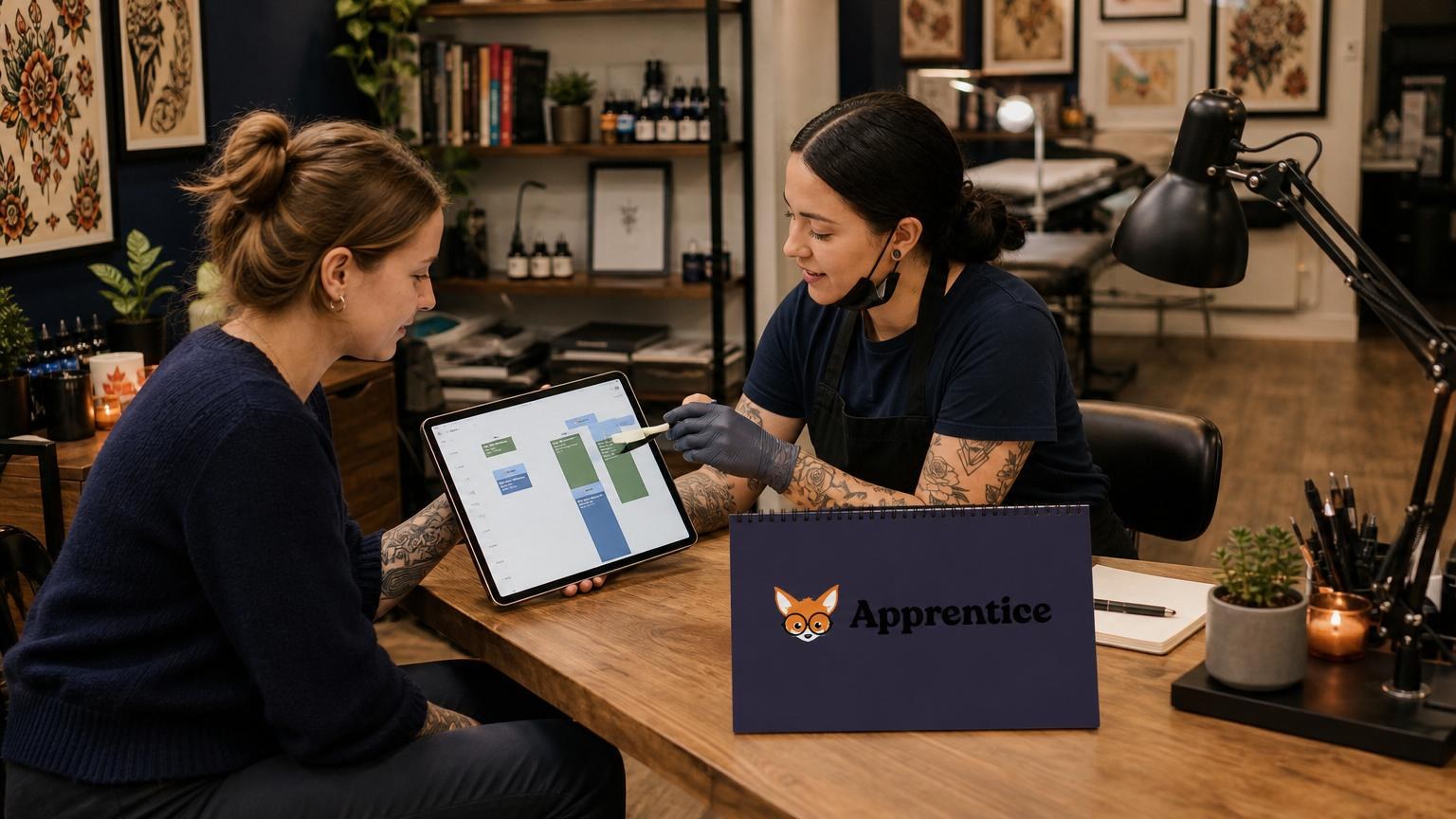
Gone are the days of walking into five shops to compare prices. Most reputable artists now post their rates online or provide quotes through digital booking platforms. You can submit your design idea, reference photos, and placement preferences, then get a ballpark estimate before committing. You can also run your own numbers first with our free tattoo pricing calculator so you walk into the conversation with a realistic budget.
This saves everyone time. The artist doesn’t waste a consultation slot on someone with a $100 budget for a $2,000 project. And you don’t waste a Saturday driving around town. Digital quoting tools also create a paper trail. You have the estimate in writing, which reduces misunderstandings later.
Some platforms let you compare multiple artists at once. Look for shops that list their hourly rates, minimums, and deposit requirements clearly on their booking page. Transparency here is a green flag. If a shop won’t give you even a rough estimate without an in-person visit, that’s worth noting.
Managing Payments and Deposits Through Apprentice
Handling money is the unsexy stuff that makes or breaks a tattoo business. For artists, chasing deposits, tracking payments, and reconciling session costs eats into creative time. For clients, unclear payment expectations create anxiety.
Apprentice was built to solve this. Artists set their deposit amount, and clients pay it automatically when they book online. The platform tracks what’s been collected, what’s still owed, and ties every payment to a specific project. No spreadsheets. No memory games. The system also sends automated prep information to clients before their appointment, covering everything from consent forms to aftercare expectations.
For multi-session projects, this matters even more. A full sleeve spanning four or five appointments involves thousands of dollars moving between client and artist over weeks or months. Having one system that tracks the entire lifecycle, from initial deposit to final payment, keeps things clean and professional.
Clients benefit too. They can see their upcoming appointments, review what they’ve paid, and communicate with their artist through one place. That kind of clarity builds trust and keeps people coming back.
The Bottom Line
Tattoo pricing isn’t arbitrary. Every dollar reflects real costs: the artist’s skill, the shop’s overhead, the materials that touch your skin, and the hours of creative work behind your design. A small tattoo might run $80 to $250. A large custom piece can climb into the thousands. Knowing what drives those numbers helps you budget honestly and respect the craft behind the price.
If you’re an artist tired of fielding “how much?” DMs with no context, or a client who wants a clear, professional booking experience, tools like Apprentice make the whole process smoother for both sides. You can get started free for 14 days and see how automated deposits, digital galleries, and project tracking save you time and headaches. Because the best tattoo experiences start long before the needle hits skin.

Jason Howie
Founder & CEO
Jason Howie is the founder of Apprentice, passionate about empowering tattoo artists and shops with better tools to manage their business and serve their clients.