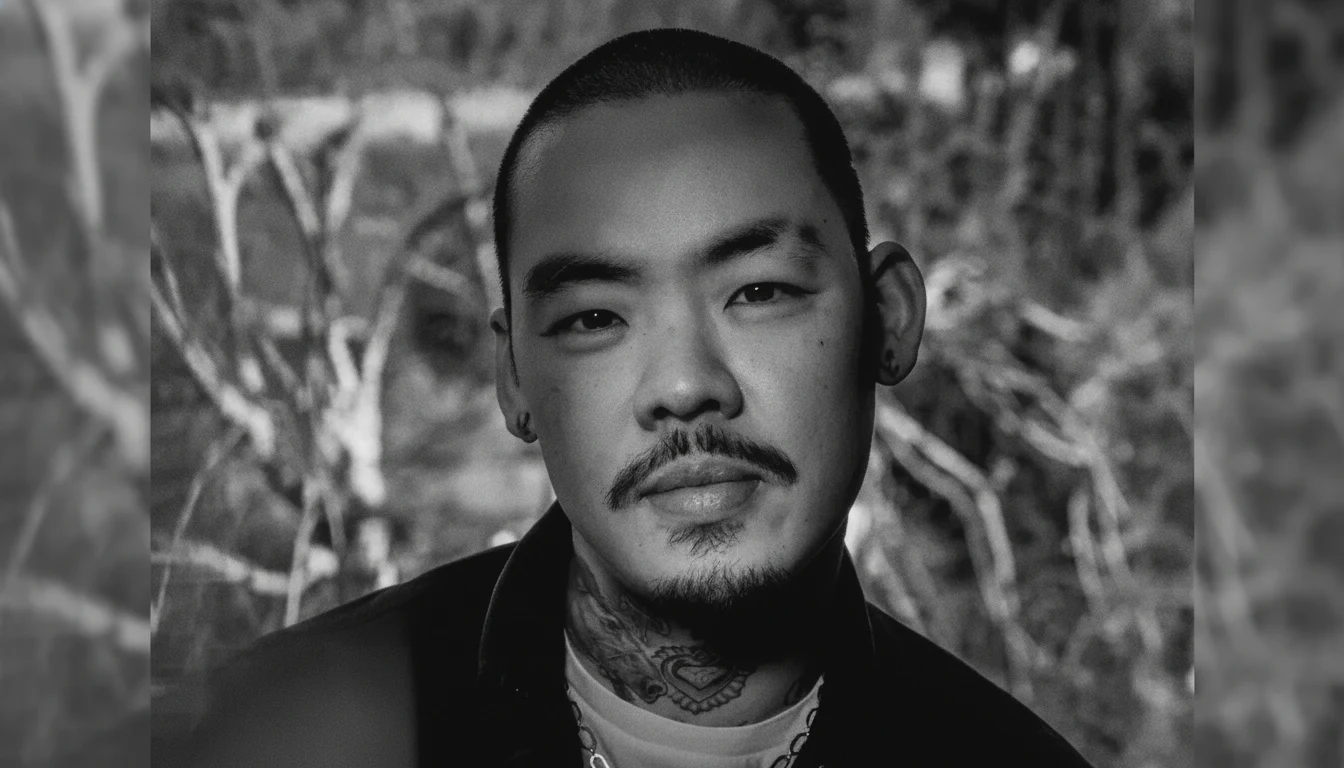
Few tattoo artists have shaped a generation’s taste the way Brian Woo has. Known simply as Dr. Woo, this Los Angeles-based artist turned the tattoo world on its head with a single needle and a vision that most old-school artists dismissed as impossible. His work is tiny, intricate, and obsessively detailed. It looks more like a pencil sketch on skin than a traditional tattoo. And that tension between fragility and permanence is exactly what made him famous. From celebrities to everyday collectors, his client list reads like a Hollywood call sheet. But beyond the fame, there’s a real story about craft, business, and the evolution of how modern tattoo shops operate. Dr. Woo is a celebrity tattoo artist redefining fine line work, and his influence stretches far beyond his own chair. His rise tells us something about where this industry is headed: toward precision, personalization, and a client experience that matches the art itself. If you’re an artist or shop owner watching these trends, there’s a lot to unpack here about running a better business while staying true to the craft.
The Rise of Dr. Woo and the Single-Needle Movement
The story of Dr. Woo isn’t just about talent. It’s about timing, taste, and a willingness to bet on something nobody else believed in. His career arc mirrors a broader cultural shift in how people think about tattoos. Smaller. Quieter. More personal.
The fine line movement didn’t start in a vacuum. It grew out of a specific place, a specific moment, and a specific artist’s refusal to follow the rules.
From Shamrock Social Club to Global Icon
Dr. Woo got his start at the legendary Shamrock Social Club on Sunset Boulevard. He apprenticed under Mark Mahoney, one of the godfathers of black and grey tattooing. That lineage matters. Woo didn’t just stumble into fine line work. He learned the fundamentals from one of the best, then pushed them in a direction nobody expected.
His early work caught fire on Instagram around the mid-2010s. Celebrities like Drake, Miley Cyrus, and Emilia Clarke started showing up. Each post of a finished piece brought thousands of new followers. His personal portfolio became a visual manifesto for a new kind of tattoo: delicate, geometric, almost impossibly thin.
But here’s the thing people forget. Shamrock wasn’t some polished studio with online booking and digital intake forms. It was a walk-in shop with a phone that rang off the hook. Woo’s rise happened despite the operational chaos, not because of smooth systems. That’s a lesson for every artist hitting a growth ceiling right now. Talent gets you noticed. Systems keep you sane.
By the time he opened his own private studio, Hideaway at Suite X, Woo had already changed the conversation. Fine line wasn’t a niche anymore. It was the mainstream.
Defining the Fine Line Aesthetic
So what actually makes fine line work different? It starts with the needle. Traditional tattoo machines use groupings of multiple needles. Fine line artists often use a single needle or very tight configurations. The result is thinner lines, finer detail, and a look that’s closer to illustration than traditional tattooing.
Woo’s signature style blends geometric precision with organic subjects: animals, botanicals, celestial imagery. A hummingbird rendered in lines thinner than a human hair. A solar system wrapped around a wrist. The contrast between mathematical structure and natural forms gives his work that unmistakable quality.
The fine line trend has exploded in demand through 2026, driven partly by social media and partly by a younger clientele who want tattoos that feel personal and subtle. These aren’t sleeve-filling pieces. They’re quiet statements. And that shift has changed what clients expect from every artist, not just the famous ones.
The downside? Fine line work is technically demanding. It requires a steady hand, precise machine tuning, and patience that borders on obsessive. Not every artist can pull it off. And not every client understands the aftercare required to keep those thin lines crisp over time. That’s a conversation worth having before the needle touches skin.
Artistic Signature: Geometry, Nature, and Detail
What separates Dr. Woo from the hundreds of artists now doing fine line work? Three things: restraint, composition, and storytelling.
His pieces rarely fill large areas of skin. They float. A small geometric wolf on a forearm. A tiny astronaut on an ankle. The negative space around each design is as intentional as the ink itself. That restraint is a design choice most artists struggle with. We’re trained to fill space. Woo leaves it empty on purpose.
His compositions draw from sacred geometry, architectural blueprints, and natural patterns. You’ll see Fibonacci spirals, honeycomb structures, and constellation maps woven into organic shapes. A rose isn’t just a rose. It’s built on a geometric skeleton that gives it structure and movement. That layering is what makes his work feel dimensional on a flat surface.
And then there’s the storytelling. Every piece has a narrative thread. A client’s coordinates. A loved one’s handwriting. A molecule that represents a specific memory. Woo doesn’t just execute designs. He translates meaning into visual language. That’s the difference between a tattoo artist and a tattoo technician.
For artists looking to develop their own signature, the lesson isn’t to copy his style. It’s to study how he thinks about design. What’s the story? What’s the structure? What’s the feeling? Answer those three questions before you pick up the machine, and your work will improve overnight.
The global tattoo market is projected to grow significantly through 2030, and fine line work is driving a huge chunk of that growth. Artists who can combine technical skill with genuine artistic vision will own the next decade. The ones who just chase trends will get left behind.
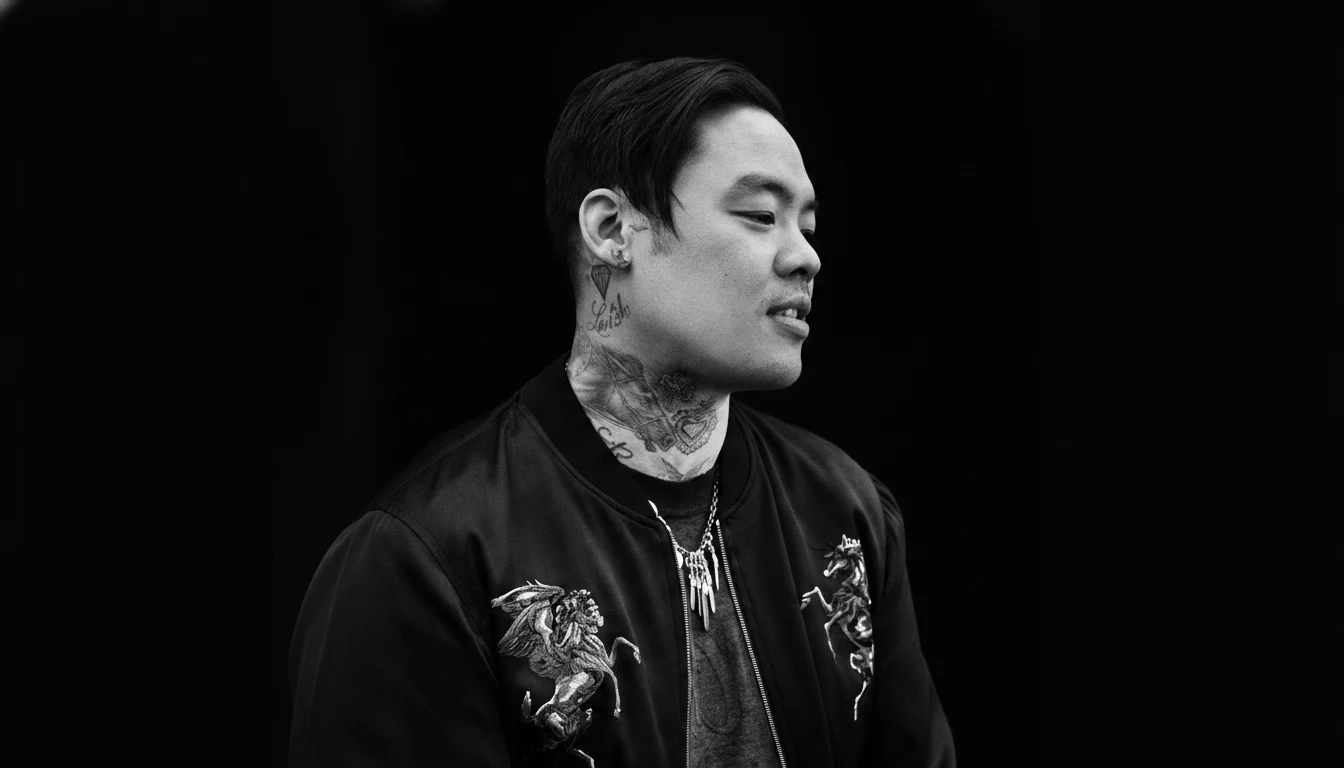
Managing the Demand of a Celebrity Clientele
Here’s the part nobody talks about. When your waitlist is six months deep and your DMs are flooded with booking requests, the art becomes the easy part. The hard part is everything else: scheduling, deposits, communication, and managing expectations for clients who are used to getting what they want, when they want it.
Dr. Woo’s celebrity clientele comes with unique pressures. Privacy matters. Timing is tight. And the stakes are high because every piece ends up on social media, seen by millions. But the operational challenges he faces are the same ones hitting every busy artist and shop owner, just at a different scale.
The unsexy stuff is what makes or breaks a thriving tattoo business. It’s permanent. It’s personal. People want it to be perfect. And that means the experience around the tattoo matters almost as much as the tattoo itself.
How Top Artists Use Digital Tools to Save Time
The best artists in 2026 aren’t spending three hours a day answering DMs and chasing deposits. They’ve automated the repetitive tasks so they can focus on drawing and tattooing. That’s not selling out. That’s being smart.
Think about what eats your day. Responding to booking inquiries. Sending deposit links. Confirming appointments. Following up on no-shows. Each task takes five minutes, but stack them up and you’ve lost half your working day to admin.
Tools like Apprentice let artists automate bookings, collect deposits upfront, and manage client communication from one place. When a client books, they pay a deposit immediately. That single step reduces no-shows dramatically and protects your income. No more chasing people who ghost after confirming.
AI tools are also changing the design process. Concept generation, stencil cleanup, and even client placement previews can happen digitally before the appointment. That means less back-and-forth and more time with the machine in your hand.
The artists who resist digital tools aren’t protecting the craft. They’re just making their own lives harder. You can respect tradition and still use a booking link.
Using Waitlists and SMS to Run a Better Shop
A packed waitlist sounds like a good problem. But without a system, it’s just a mess. Names scribbled on paper. Texts lost in a thread. Clients waiting months without any update, getting frustrated, and eventually booking with someone else.
Digital waitlists change the game entirely. Clients sign up, pick their preferred flash or describe their custom idea, and get automatic SMS updates when a spot opens. No babysitting required. The shop stays organized on busy days, and walk-ins convert into real bookings instead of missed opportunities.
For shop owners managing multiple artists, a real-time waitlist gives you a clear picture of demand across your whole team. You can see who’s booked solid, who has openings, and where to direct walk-in traffic. That kind of visibility used to require a full-time front desk person. Now it runs itself.
SMS notifications also keep clients engaged between booking and appointment day. Automated reminders about prep instructions, aftercare info, and deposit confirmations reduce the back-and-forth that buries artists in their phones. Your clients show up informed and ready. You show up focused on the work.
The Evolution of the Modern Tattoo Experience
The tattoo experience has changed more in the last five years than in the previous fifty. Clients expect professionalism, transparency, and communication at every step. That’s not a burden. It’s an opportunity to stand out.
Dr. Woo understood this early. His private studio experience feels more like a high-end consultation than a walk-in shop. And while most artists can’t replicate his celebrity-level setup, they can replicate the feeling of being taken care of from first contact to final heal.
The modern client journey looks like this: discover the artist on social media, browse their portfolio, book online, pay a deposit, receive prep instructions, show up ready, get tattooed, receive aftercare follow-up. Every step should feel intentional. Every touchpoint should build trust.
Paperless Consent and Digital Client Histories
Paper consent forms are a liability waiting to happen. They get lost. They get coffee-stained. They sit in a filing cabinet nobody opens until there’s a problem. And when there is a problem, good luck finding the right form from three years ago.
Going paperless isn’t just about convenience. It’s about protection. Digital consent forms live in a unified client profile that tracks every visit, every form, every note. Platforms like Apprentice store consent and uploads in one place, creating a complete client history that’s searchable and secure.
For fine line artists especially, client history matters. You need to know what you tattooed last time, what skin type you’re working with, and any healing issues from previous sessions. That context makes you a better artist. It also makes the client feel remembered, which builds loyalty and lifetime value.
Mobile-friendly forms mean clients can complete consent before they walk through the door. They arrive ready. You don’t waste the first fifteen minutes of an appointment on paperwork. That’s time back in your day, every single session.
Centralized Communication for Complex Designs
Fine line tattoos often involve extensive design collaboration. Reference images, sketches, revisions, placement discussions: all of that communication needs to live somewhere organized. Not buried in an Instagram DM thread. Not scattered across three different messaging apps.
A project-based system ties every message, reference image, and design draft to a specific tattoo. Nothing gets lost. When you sit down to prep for a session, everything you need is in one place. The client’s inspiration photos, your sketches, their feedback, the approved final design.
This matters even more for multi-session pieces. If you’re building a larger composition over three or four appointments, you need a clear timeline and history. What was done in session one? What’s planned for session two? Where did you leave off on the design discussion?
Embedded chat tied directly to each tattoo project keeps communication clean. No scrolling through months of texts to find that one reference photo. No confusion about which version of the design was approved. Just clear, organized collaboration that makes the work better.
The artists doing the best fine line work in 2026 aren’t just skilled with a needle. They’re skilled communicators. And the tools they use reflect that.
The Legacy and Future of Fine Line Tattooing
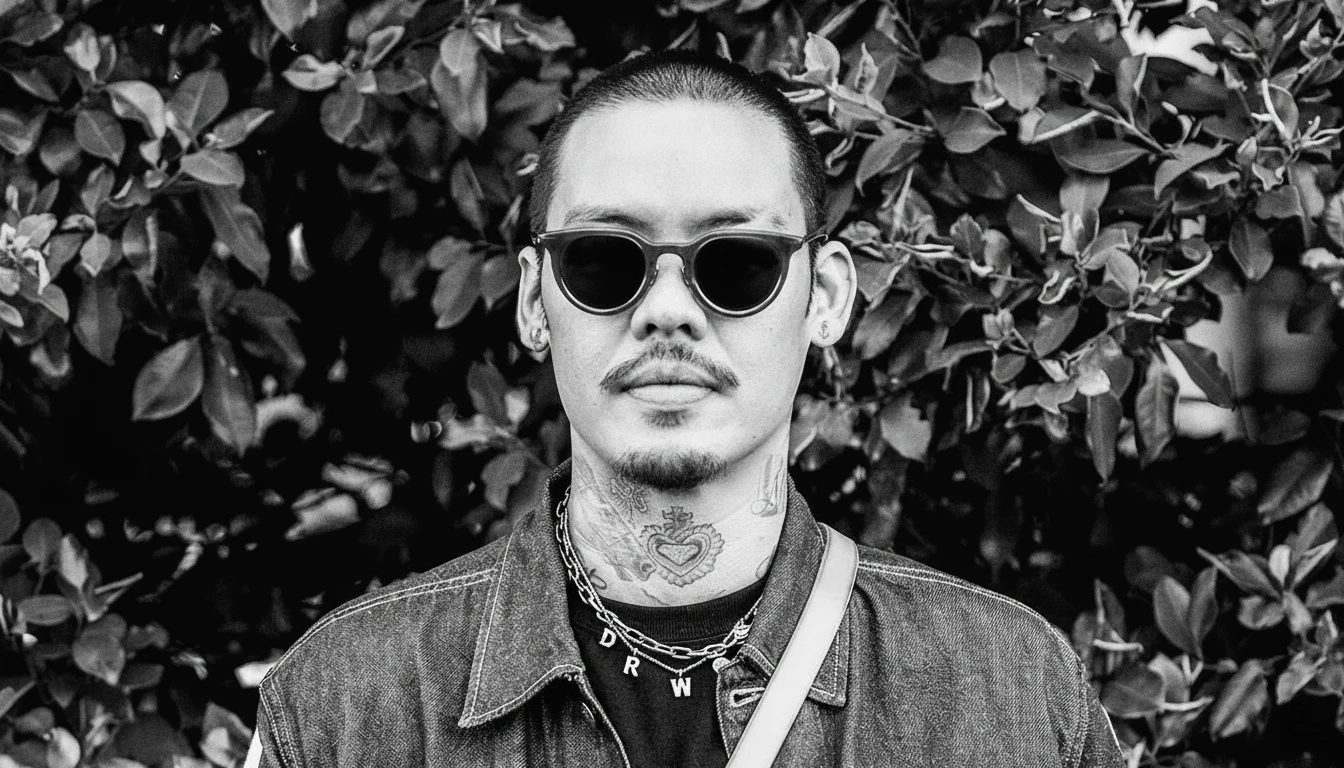
Dr. Woo didn’t just create a style. He created a standard. His influence on fine line tattooing is undeniable, and the ripple effects are visible in shops worldwide. Young artists are building entire careers on the aesthetic he popularized. Clients walk in with his work as their reference. The single-needle movement he helped pioneer is now one of the fastest-growing segments in the global tattoo market.
But legacy isn’t just about art. It’s about how you run the business around the art. The artists who’ll carry fine line tattooing forward are the ones who treat their shops like real businesses: automated booking, digital client records, professional communication, and financial systems that actually work.
The craft deserves that respect. Your clients deserve it. And honestly, you deserve it too. Burnout kills more tattoo careers than bad technique ever will. Building systems around your art isn’t selling out. It’s survival.
If you’re ready to stop drowning in DMs and start running your shop like the artists you admire, Apprentice gives you everything you need to book clients, collect deposits, and manage your business in one place. You can get started free for 14 days and see the difference in your first week.
Because the future of tattooing isn’t just about thinner lines. It’s about building something that lasts: on skin and behind the chair.

Jason Howie
Founder & CEO
Jason Howie is the founder of Apprentice, passionate about empowering tattoo artists and shops with better tools to manage their business and serve their clients.