A bad tattoo doesn’t have to be a life sentence. That’s the truth we’ve been telling clients for years, but the options available right now are wildly different from what existed even five years ago. Cover-up tattoos in 2026 represent a collision of better ink, smarter tools, and artists who’ve spent years refining techniques that were once considered impossible. The U.S. tattoo market alone is projected to reach $0.69 billion by 2026, and a huge chunk of that growth is driven by people getting second chances on their skin. Almost 30% of tattooed individuals consider a cover-up at some point. That’s not a niche market. That’s nearly one in three people sitting in your chair wanting something fixed, refreshed, or completely reimagined. And the good news? The tools and techniques to deliver on those expectations have never been better. Whether you’re an artist looking to sharpen your cover-up game or a client trying to understand what’s realistic, here’s what the current state of the craft actually looks like.
The Evolution of Cover-Up Artistry in 2026
Cover-ups used to mean one thing: slap something big and dark over the old piece and hope for the best. That era is over. The artists doing this work today approach it more like surgeons than painters, mapping existing pigment, planning around scar tissue, and using technology that didn’t exist a decade ago.
The demand has pushed the craft forward hard. Cover-ups represented 22% of all tattoo procedures in 2023, and that number keeps climbing. Artists who specialize in this work are booked months out. And the reason is simple: the results are genuinely stunning now.
Advancements in Pigment Density and Color Theory
Ink manufacturers have been quietly doing incredible work. The pigments available today are denser, more opaque, and more stable than anything we had even three years ago. That matters because cover-up work lives and dies on pigment density. You need ink that can sit on top of old color without the ghost of the original bleeding through.
Color theory has also gotten sharper. Artists now routinely use complementary color blocking to neutralize old pigment before laying down the final design. Think of it like primer before paint. A faded green tribal piece gets a layer of warm red-toned ink underneath the new design. The old green gets neutralized instead of just buried.
This approach means lighter colors are more viable in cover-ups than they used to be. You’re not locked into all-black designs anymore. Skilled artists can work with blues, purples, and even some warm tones over old ink.
High-Tech Tools: Digital Mapping and AR Previews
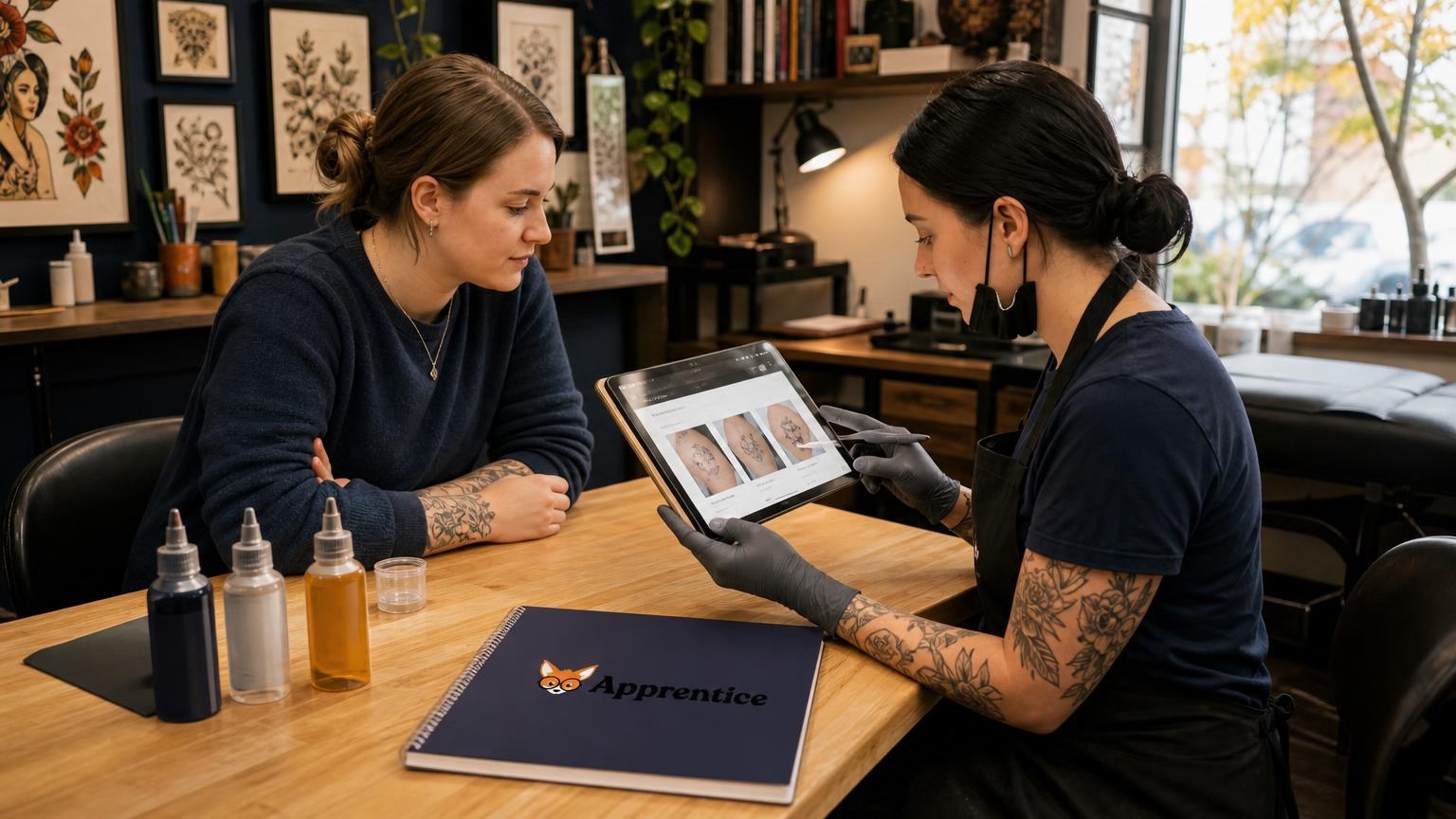
The biggest shift in 2026 isn’t about ink. It’s about planning. Digital mapping tools let artists photograph existing tattoos and overlay potential designs with precise color-matching. You can see how the old piece will interact with the new one before a single needle touches skin.
AR previews have gone from gimmick to essential tool. Clients can see a realistic projection of the finished cover-up on their actual body. This kills the anxiety that used to plague cover-up consultations. No more “trust me, it’ll look great.” Now it’s “here, look at this.”
Platforms like Apprentice are helping artists manage the consultation-heavy workflow that cover-ups demand. With project management tools that store design references, client notes, and appointment timelines in one place, artists can track multi-session cover-up projects without losing details between visits.
Modern Techniques for Effective Concealment
Technique is still king. All the fancy ink and digital tools in the world won’t save a cover-up if the artist doesn’t understand how to move the viewer’s eye and work with what’s already on the skin.
Utilizing Negative Space and Distraction Flow
The best cover-up artists don’t just hide old tattoos. They redirect attention. Negative space - the uninked skin between design elements - creates visual breathing room that pulls the eye away from any remnants of the original piece.
Distraction flow is the art of placing the most detailed, eye-catching elements of the new design directly over the densest parts of the old one. Your brain naturally locks onto the most complex visual information first. A highly detailed flower placed over an old name will draw the eye to petals and shading, not the ghost of “Jessica” underneath.
This is why composition matters more in cover-ups than in fresh tattoos. The design isn’t just about what looks cool. It’s about what looks cool while also doing a specific job.
The Rise of ‘Blast-Over’ and Heavy Blackwork Styles
Blast-overs have exploded in popularity. Unlike traditional cover-ups, blast-overs don’t try to hide the old tattoo. They layer a new design directly on top, letting the original show through as texture and depth. It’s bold. It’s intentional. And it works beautifully for clients who want something dramatic.
Heavy blackwork and geometric patterns are natural fits for concealment. Dense black saturation covers almost anything, and learning the blackwork and blackout techniques for cover-ups opens up even more options. Geometric designs use strong lines and patterns that overpower the visual noise of old ink. Dotwork, ornamental patterns, and neo-tribal designs all thrive in this space.
But here’s the reality check: blast-overs aren’t for everyone. They require a specific aesthetic tolerance from the client. Some people want the old tattoo completely invisible. A blast-over won’t deliver that. Honest conversations about expectations matter more than any technique.
The Hybrid Approach: Laser Fading and Tattooing
This is where the real magic happens in 2026. The combination of laser fading and tattooing has opened up possibilities that pure cover-up work can’t touch on its own.
Strategic Lightening for Greater Design Freedom
Nobody’s talking about full removal here. Strategic lightening means using laser sessions to fade the old tattoo just enough to give the cover-up artist more room to work. You’re not trying to erase the piece. You’re turning it from a dark obstacle into a faint shadow.
The tattoo removal market is projected to reach $300 million by 2030, and a significant portion of that is people doing partial fading for cover-ups, not full removal. Two to four laser sessions can take a heavily saturated black piece down to a light gray. That gray is infinitely easier to cover than the original.
This hybrid approach also means the new design doesn’t need to be as massive. The old rule of thumb is that a cover-up typically needs to be 30-50% larger than the original. Strategic lightening can shrink that requirement significantly.
Recovery Timelines for Multi-Phase Projects
Here’s where patience becomes non-negotiable. Laser sessions need 6-8 weeks of healing between treatments. Most clients need 2-4 sessions for adequate fading. Then the skin needs another 8-12 weeks to fully recover before tattooing begins.
You’re looking at 6-12 months from first laser session to finished cover-up. That timeline frustrates clients. It’s your job to set those expectations early and clearly.
Multi-phase projects demand solid scheduling and communication. This is where having a booking system that tracks long-term project timelines pays off. It also makes it easy for clients to request a cover-up consultation online instead of trading DMs for weeks. Apprentice lets artists manage multi-appointment projects with built-in timelines, so nothing falls through the cracks over a year-long process. Automated reminders keep clients on schedule without you chasing them down.
Challenges and Limitations of Contemporary Cover-Ups
Let’s be honest about the ugly side. Not everything is possible, and pretending otherwise does a disservice to clients and to the craft.
Managing Scar Tissue and Skin Texture Issues
Scar tissue is the number one complication in cover-up work. Old tattoos that were done poorly, removed partially, or subjected to amateur laser work often leave raised or pitted scars. Ink doesn’t sit in scar tissue the same way it sits in healthy skin. It spreads unpredictably. It heals unevenly. It fades faster.
Some scar tissue can be worked with. Light scarring might actually add texture to the right design. But heavy keloid scarring or deep pitting can make certain areas essentially untattooable. Artists need to be upfront about this during consultations.
Skin texture changes from aging and sun damage also affect outcomes. A 45-year-old’s skin doesn’t hold ink like a 25-year-old’s. That’s not a dealbreaker, but it changes the conversation about what’s realistic.
The Reality of Size Requirements and Scale
This is the hardest pill for clients to swallow. Cover-ups need to be bigger than the original. Period. A small butterfly can’t cover a medium-sized tribal band. Physics and biology don’t care about your Pinterest board.
The size requirement exists because the new design needs enough visual weight and complexity to overpower the old one. Thin lines and delicate designs rarely work as cover-ups unless the original is already very faded.
Scale also affects placement. A cover-up on the forearm might need to extend from wrist to elbow to work properly. Clients need to understand that before they commit. Showing them realistic before-and-after examples from your portfolio is the best way to calibrate expectations.
Choosing the Right Artist for Complex Transformations
Not every tattoo artist is a cover-up artist. This is specialized work that demands a specific skill set. It’s permanent. It’s personal. People want it to be perfect.
Look for artists with dedicated cover-up portfolios. Not just one or two examples buried in their Instagram feed, but a substantial body of work showing healed results. Fresh cover-ups always look great. Healed cover-ups tell the real story.
Ask about their process. Good cover-up artists will want to see the old tattoo in person, not just in photos. They’ll discuss laser fading if it’s warranted. They’ll be honest about limitations. If an artist says they can cover anything without seeing it first, walk away.
Consultations for cover-ups take longer than standard appointments. They require reference gathering, design iterations, and sometimes multiple meetings. Artists who use tools like Apprentice to manage design collaboration and client communication can handle this workflow without drowning in DMs and email threads.
Check reviews specifically mentioning cover-up work. A brilliant portrait artist might be terrible at cover-ups. These are different disciplines that happen to use the same equipment.
Longevity and Aftercare for Layered Ink
Cover-up tattoos are working harder than fresh tattoos from day one. They’re sitting on top of existing pigment, often in skin that’s been through trauma. That means aftercare isn’t optional - it’s critical to the final result.
Layered ink tends to need slightly longer healing times. The skin is processing more pigment in the same area. Follow your artist’s aftercare instructions exactly. No shortcuts. No “my last tattoo healed fine without doing all that.” This isn’t your last tattoo.
Sun protection matters even more with cover-ups. UV exposure fades ink, and when the top layer fades, the old tattoo can start ghosting through. SPF 50 on healed cover-ups should be a lifetime habit. Think of it as protecting your investment.
Touch-ups are more common with cover-ups than with fresh work. Plan for at least one touch-up session 8-12 weeks after the initial tattoo. Some areas, especially where the old ink was densest, may need additional passes. Budget for this upfront so it doesn’t feel like a surprise expense.
The North American tattoo market is expected to grow at a CAGR of 8.8% through 2031. Cover-ups are a growing slice of that pie. For artists, getting good at this work isn’t just creatively rewarding. It’s financially smart.
The bottom line? What’s possible with cover-up tattoos in 2026 would’ve seemed like science fiction a decade ago. Better ink, smarter planning tools, and the hybrid laser approach have blown the doors wide open. But the fundamentals haven’t changed: honest consultations, realistic expectations, and skilled hands still matter most. If you’re an artist ready to take on more cover-up work and want to manage the complex scheduling these projects demand, get started with Apprentice free for 14 days and see how much easier multi-session projects become.

Jason Howie
Founder & CEO
Jason Howie is the founder of Apprentice, passionate about empowering tattoo artists and shops with better tools to manage their business and serve their clients.