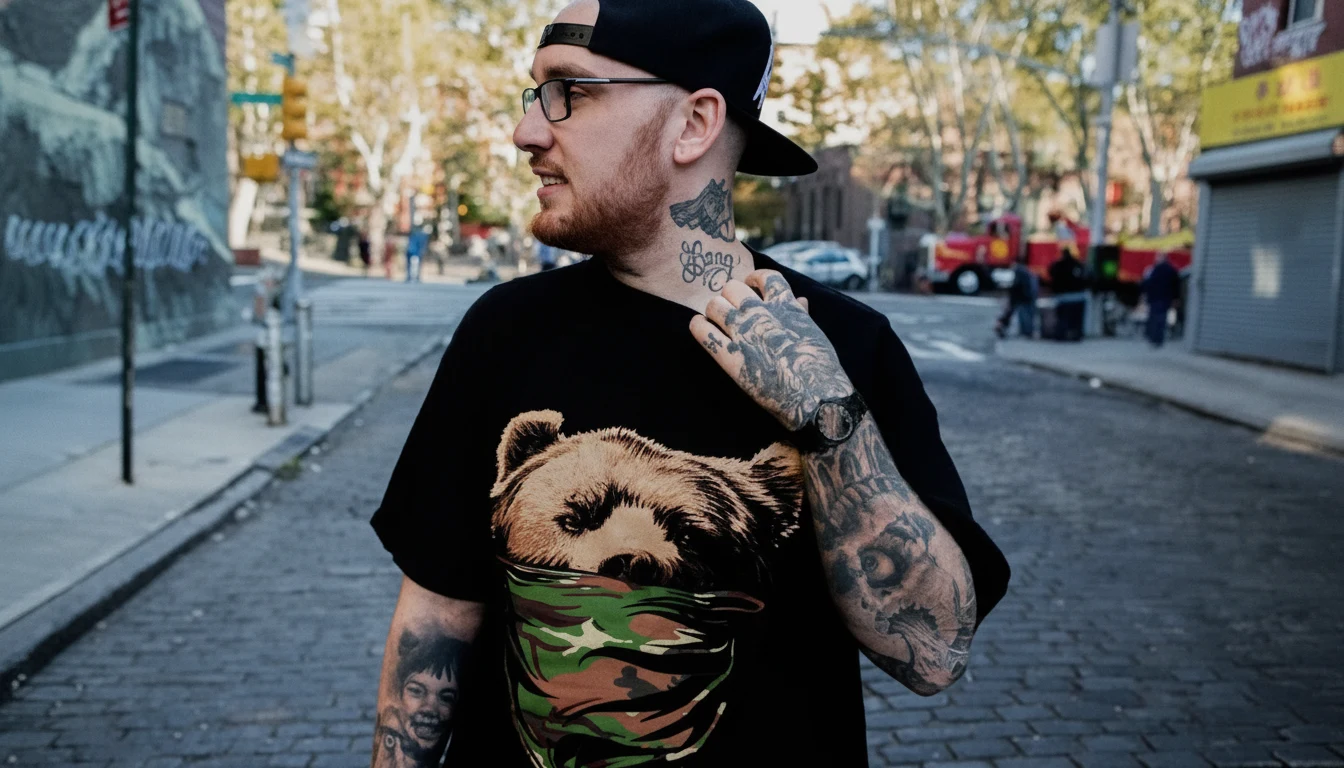
Keith “Bang Bang” McCurdy didn’t build his reputation by accident. He built it one tattoo at a time, on some of the most famous skin in the world. From Rihanna’s trail of stars to Justin Bieber’s sleeves, his work walks red carpets, fills magazine covers, and trends on social media daily. But behind the celebrity glamour sits a real business: a multi-artist shop in Manhattan, a growing brand, and a relentless work ethic that turned a kid from Delaware into the tattoo artist behind the stars. His story isn’t just inspiring. It’s a blueprint for what happens when craft meets hustle, and when artistry refuses to compromise with chaos. Whether you’re a solo artist or running a busy shop, there’s something here worth paying attention to.
The Rise of Keith ‘Bang Bang’ McCurdy
From Delaware to New York City Celebrity
Keith McCurdy started tattooing at sixteen in a small Delaware town. No formal apprenticeship. No connections. Just a homemade machine and raw ambition. He taught himself by practicing on friends, studying flash sheets, and absorbing everything he could about the craft. By his late teens, he’d moved to New York City with nothing but talent and nerve.
New York didn’t roll out a red carpet. McCurdy worked in small shops, grinding through walk-ins and building a portfolio one piece at a time. He’s talked openly about those early years: the low pay, the hustle, the constant need to prove himself. But the city did something Delaware couldn’t. It put him in proximity to people who mattered.
His early NYC work caught attention because it was different. Clean lines. Delicate detail. A style that felt refined in a world dominated by heavy black and bold traditional work. That distinction became his calling card. Word spread through Manhattan’s social circles, and soon he wasn’t just inking locals. He was inking influencers, models, and eventually, pop stars. The Bang Bang Forever website now showcases a portfolio that reads like a Hollywood casting list, but it all started with a teenager who refused to wait for permission.
The Rihanna Connection: A Career Catalyst
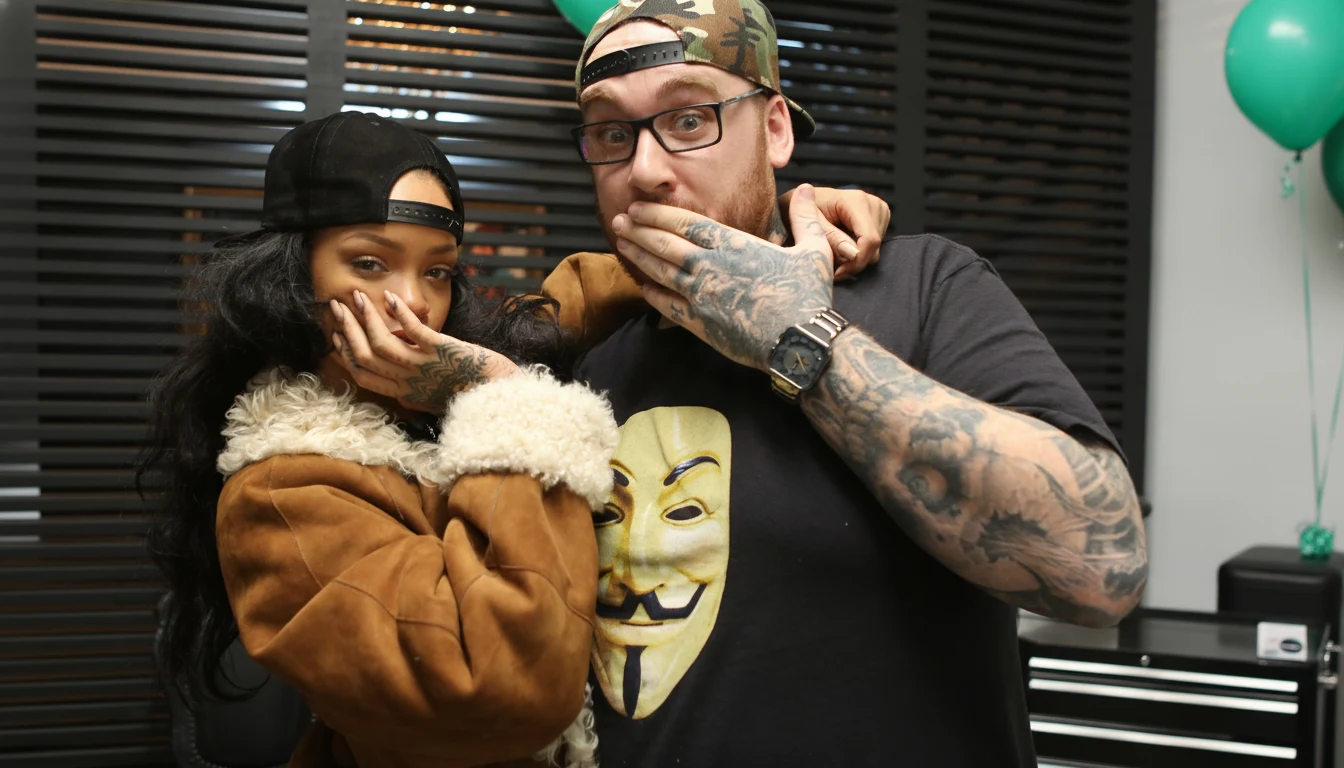
The moment that changed everything came when Rihanna walked into his shop. She wanted a small tattoo: a trail of stars cascading down her neck. That single session put McCurdy on a trajectory most artists only dream about. Rihanna posted about it. The press picked it up. And suddenly, Bang Bang wasn’t just a talented artist in New York. He was the guy who tattooed Rihanna.
But here’s what separates McCurdy from a one-hit wonder: he delivered. Every time. Rihanna came back. Then she sent friends. Then those friends sent their friends. The celebrity pipeline didn’t happen because of luck. It happened because the work was consistently excellent and the experience was professional. McCurdy has discussed his favorite celebrity clients over the years, and the common thread is trust. These aren’t one-off sessions. They’re long-term relationships built on reliability and skill.
That Rihanna session also taught McCurdy something critical about the business side: reputation is currency. One great client, treated well, can generate more bookings than any ad campaign. It’s a lesson every shop owner should internalize.
Defining the Bang Bang Aesthetic
Micro-Realism and Fine Line Mastery
Bang Bang’s signature style sits at the intersection of micro-realism and fine line work. His pieces are small, precise, and almost impossibly detailed. Think tiny portraits that look like photographs. Think single-needle script that stays crisp for years. This wasn’t a trend he followed. He helped create it.
The technical skill required for this work is staggering. Micro-realism demands perfect needle control, an understanding of how ink settles in skin over time, and the patience to work slowly on pieces that might be smaller than a coin. Most artists can’t pull it off consistently. McCurdy does it session after session, which is why his waitlist stretches for months.
His aesthetic also reflects a broader shift in the tattoo industry. The global tattoo market is projected to grow significantly through the late 2020s, and much of that growth is driven by clients who want smaller, more refined work. Bang Bang saw that wave coming years ago. He positioned himself and his studio at the front of it.
High-Profile Collaborations: Bieber, Gomez, and James
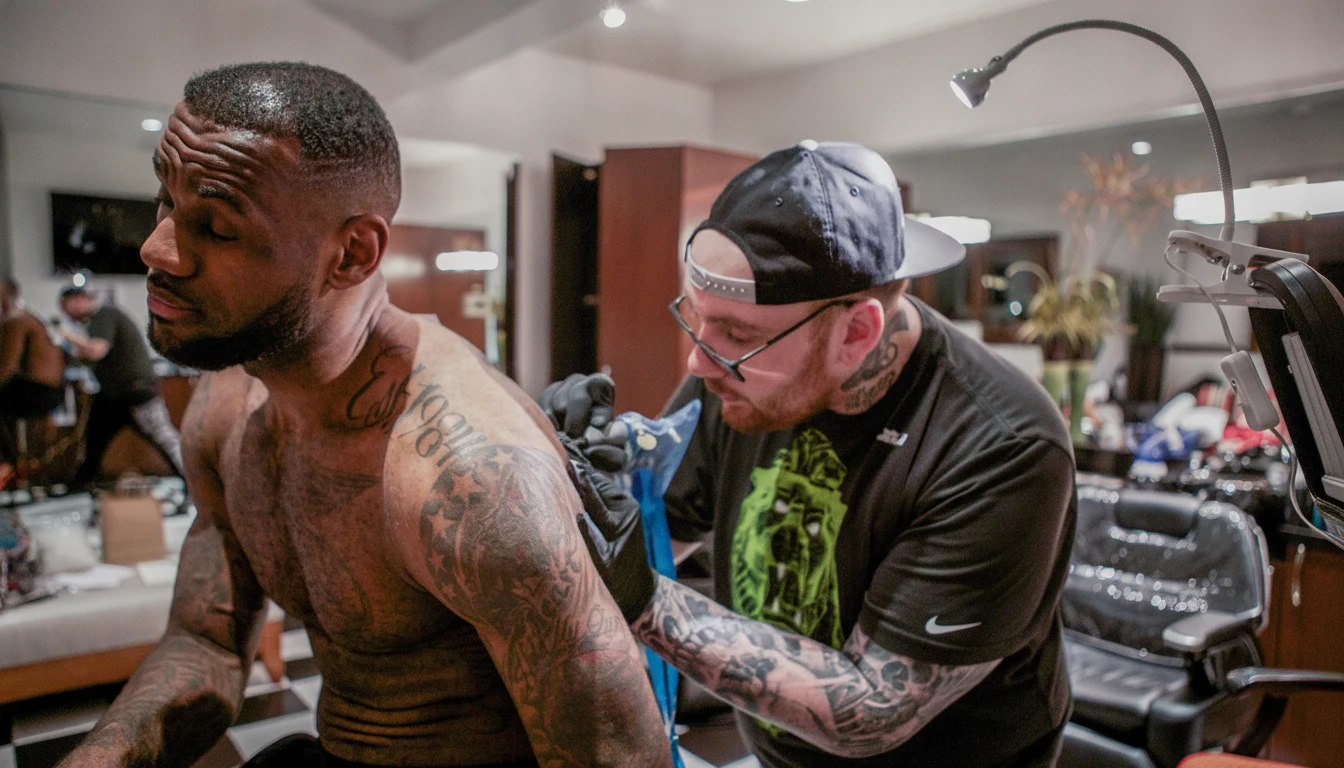
Justin Bieber alone has over 100 tattoos, and a significant number of them came from McCurdy’s needle. Their working relationship spans years, covering everything from small symbols to large-scale pieces. Selena Gomez, Cara Delevingne, and LeBron James round out a client list that reads like a who’s who of global celebrity.
But the real story isn’t the fame. It’s the process. McCurdy has talked about his approach in interviews, and it’s surprisingly methodical. He spends time understanding what a client wants emotionally, not just visually. He asks questions. He sketches options. He doesn’t rush.
This matters for every artist reading this. Celebrity or not, your clients want to feel heard. They want to know their tattoo means something and that you care about getting it right. McCurdy’s high-profile work succeeds because he treats every client like their piece is the most important thing he’ll do that day. That mindset scales. It works whether you’re inking a pop star or a first-timer walking in off the street.
The list of celebrities he’s tattooed keeps growing, but the approach stays the same. It’s permanent. It’s personal. People want it to be perfect.
Managing an Elite Studio Environment
Building a Multi-Artist Shop Culture
Running a multi-artist shop is one of the hardest things in this industry. Egos. Schedules. Different work styles. Different client expectations. McCurdy’s Manhattan studio manages all of it while maintaining a standard that most shops can’t touch.
The key is culture. Bang Bang’s shop doesn’t just hire talented artists. It hires artists who fit the brand’s commitment to precision and professionalism. Every artist in the studio operates under the same quality expectations. That consistency is what keeps clients coming back, not just to McCurdy, but to the shop itself.
Shop culture also means handling the unsexy stuff: scheduling conflicts, deposit tracking, walk-in management, and making sure nobody double-books a station. A multi-artist calendar needs to show everyone’s availability in real time. Conflict detection needs to catch overlaps before they become problems. And appointment reminders need to go out automatically so the front desk isn’t babysitting a phone all day.
The reality is that a shop like Bang Bang’s can’t function on paper calendars and Instagram DMs. The volume is too high. The stakes are too real. And every scheduling mistake costs money and reputation.
Modern Tools for Busy Shops: Using Apprentice to Save Time
Here’s where the business side gets practical. A shop running at Bang Bang’s level needs systems that handle the administrative load without slowing down the art. That’s exactly what Apprentice was built for.
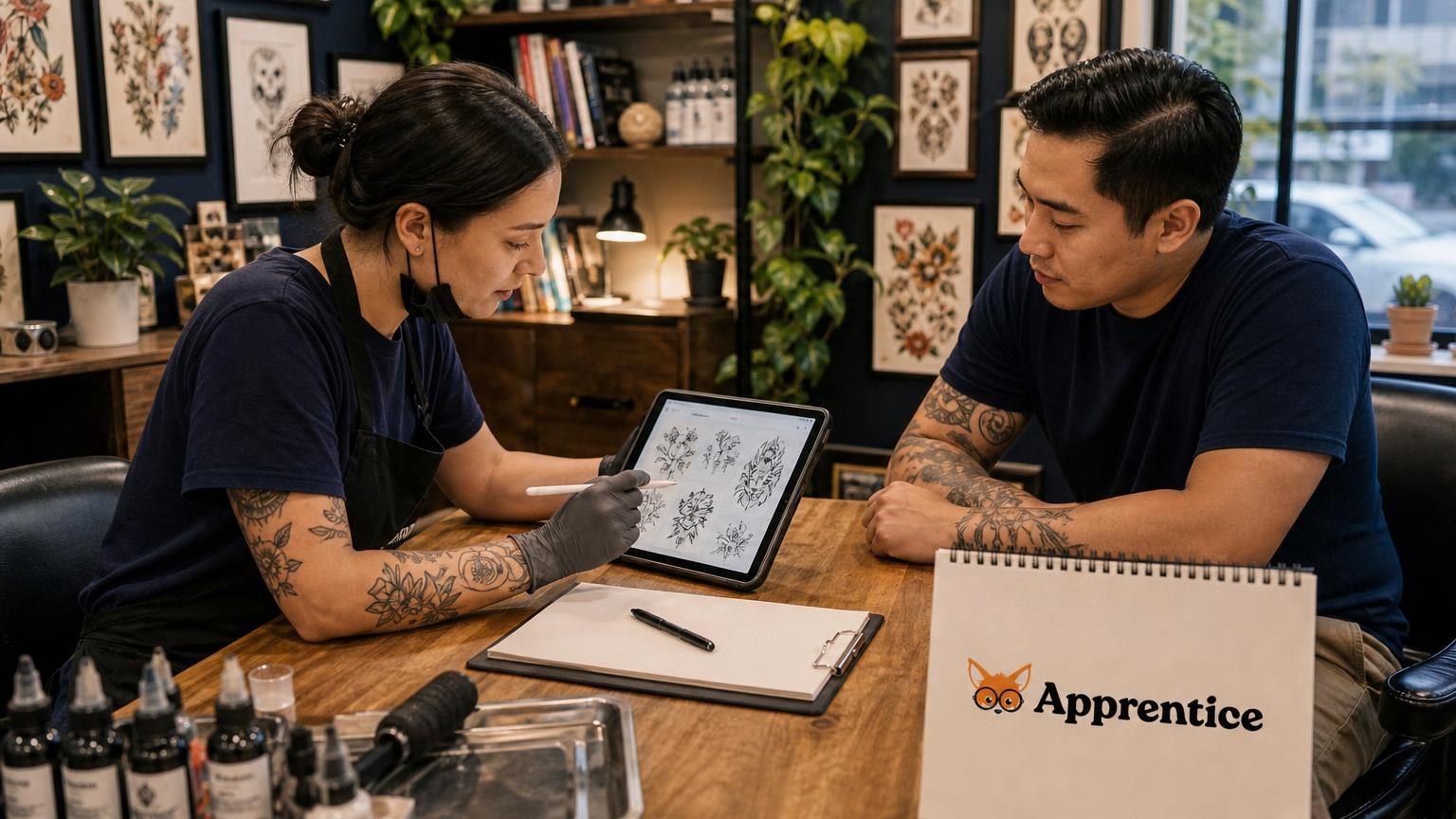
Think about your average busy day. Walk-ins are lining up. Booked clients are arriving. Deposits need collecting. Consent forms need signing. And your artists just want to tattoo. Apprentice gives you a real-time shop dashboard where you can see every artist’s schedule, manage walk-ins with a digital waitlist, and track payments from one screen.
The walk-in management alone is worth it. Instead of scribbling names on a clipboard, you’ve got a real-time waitlist with SMS notifications. Clients get a text when it’s almost their turn. They can browse flash galleries on their phone while they wait. And when they’re ready, the booking converts directly into an appointment with deposit and consent handled digitally.
For shop owners juggling multiple artists, the multi-artist calendar prevents the conflicts that kill productivity. Buffer times between appointments, automatic status updates, and live schedule changes keep everyone aligned. It’s the kind of operational backbone that lets a shop focus on what actually matters: the work.
The Client Experience: From Initial Flash to Aftercare
Streamlining Bookings and Deposits with One Booking System
The client experience starts long before the needle touches skin. It starts the moment someone decides they want a tattoo and tries to book with you. If that process is clunky, confusing, or slow, you’ve already lost trust.
McCurdy’s studio handles thousands of inquiries. Managing that volume requires a booking system that works without constant babysitting. One booking system that lets clients request appointments, pay deposits, and submit references in a single flow. No back-and-forth DMs. No chasing payments. No surprise bookings from expired links.
Apprentice handles this with secure booking links that enforce your rules. You set your availability, your deposit amount, and your booking requirements. Clients fill everything out on their end. Deposits get collected upfront, which dramatically reduces no-shows. And expiring booking links mean nobody books a session from a link you sent six months ago.
The deposit piece isn’t just about convenience. It’s about financial security. Every no-show costs you money. Collecting deposits upfront puts teeth into your booking policy. It respects your time and signals to clients that you’re running a professional operation.
Consistent Aftercare Delivery and Digital Consent
Aftercare is where a lot of shops drop the ball. You spend hours on a beautiful piece, then hand the client a crumpled printout and hope for the best. That’s a missed opportunity for both the client’s healing and your brand’s reputation.
Digital consent and aftercare solve this. With Apprentice, consent forms go out before the appointment through a unified prep link. Clients sign on their phone. The system captures their signature, IP address, and timestamp for legal protection. No paper. No lost forms. No scrambling at the front desk.
After the session, aftercare instructions get sent automatically. Standard templates ensure every client gets the same quality information, regardless of which artist did the work. That consistency matters. It protects the tattoo, protects the client, and protects you from liability. Proper aftercare is a critical part of the tattoo lifecycle, and automating it means it actually happens every single time.
This is the kind of operational detail that separates a good shop from a great one. It’s not glamorous. But it’s the foundation that lets the art shine.
The Business of Inking Icons
Utilizing Full Client History for Better Experiences
When Rihanna walks back into your shop for her fifteenth tattoo, you’d better remember her first fourteen. Client history isn’t a luxury. It’s a requirement for delivering the kind of personalized experience that builds loyalty.
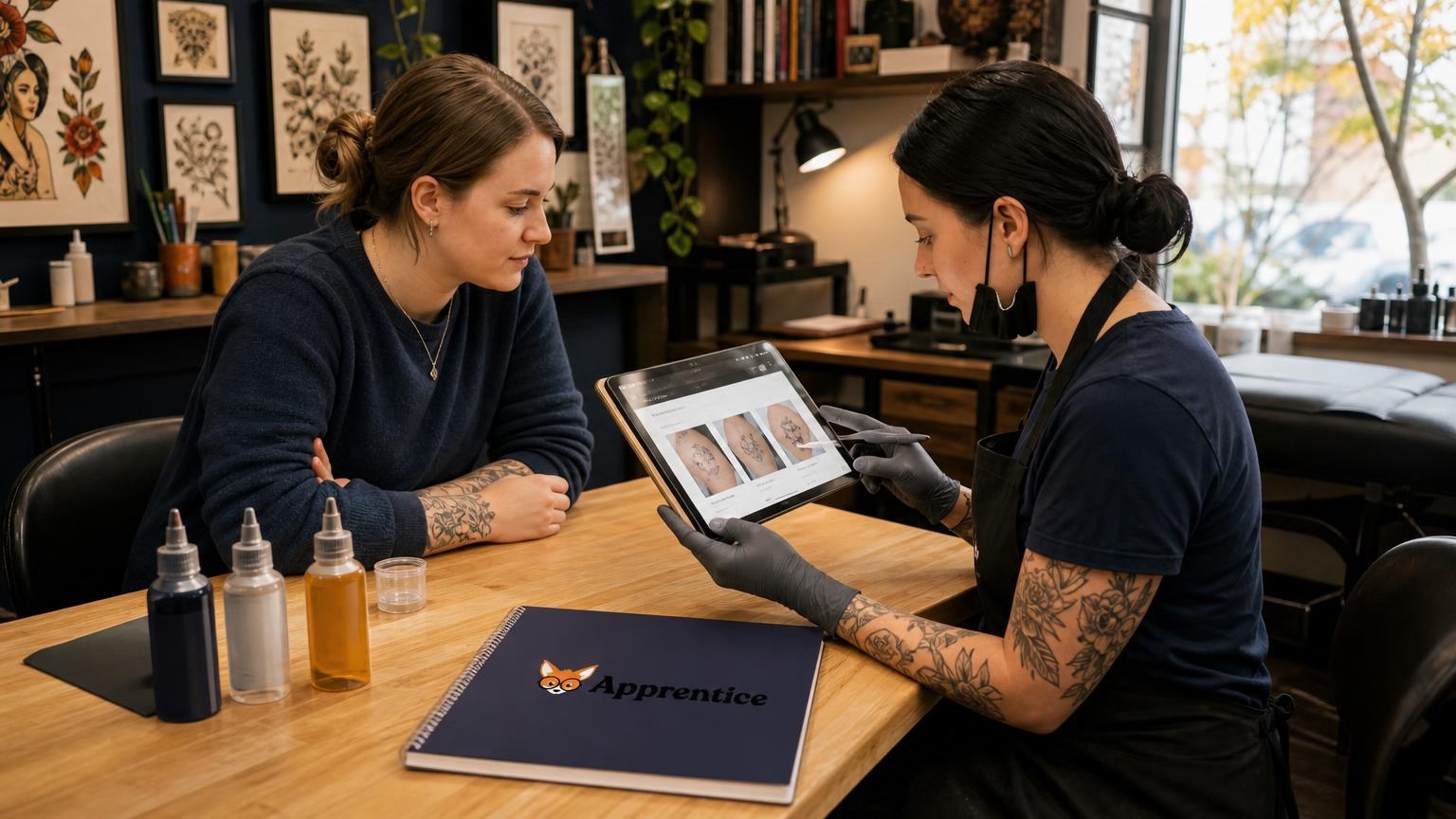
A full client history means one unified profile per client. Every appointment, every design reference, every note about preferences or skin reactions: all in one place. No duplicates. No guessing. When a returning client sits down, you’ve got their complete timeline in front of you.
This is especially powerful for multi-session pieces. Large-scale work might span three, four, or five appointments over months. Without a clear project record, details get lost. Colors get mismatched. Placement drifts. A solid client management system prevents all of that by tying messages, references, and appointment history to each specific tattoo project.
And it’s not just about the art. Engagement insights help you identify your best clients: the ones who come back, who refer friends, who spend the most. Those relationships deserve extra attention. Knowing who your top clients are lets you prioritize them, reward them, and keep them coming back.
Protecting the Brand Through Organized Operations
Bang Bang’s brand is worth millions. And brands that valuable don’t survive on talent alone. They survive on systems. Every consent form filed correctly. Every deposit tracked. Every appointment documented. That’s brand protection.
The ugly truth about this industry is that disputes happen. A client claims they never signed a consent form. A deposit refund gets contested. An artist says they weren’t told about a schedule change. Without organized records, you’re exposed.
Digital operations create an audit trail. Payment tracking tied to specific appointments means you can reconcile every dollar. Consent forms with timestamps and digital signatures hold up under scrutiny. And a centralized dashboard gives shop owners visibility into everything happening across their business.
McCurdy didn’t build a multi-million dollar tattoo empire by ignoring the business side. He built it by treating operations with the same precision he brings to his tattoos. That’s the model. Artistry and organization aren’t opposites. They’re partners.
For shop owners, the lesson is clear: protect your brand by running tight operations. The creative work gets the Instagram followers. The operational work keeps the doors open.
The Future of the Bang Bang Empire
McCurdy isn’t slowing down. His studio continues to expand, his team keeps growing, and his influence on tattoo culture shows no signs of fading. The future of tattooing is trending toward finer work, more personalized experiences, and higher client expectations. Bang Bang is already there.
But his story carries a bigger message for every artist and shop owner. You don’t need celebrity clients to build something great. You need consistency. You need professionalism. You need to respect the craft and the business equally. McCurdy’s rise from a self-taught teenager in Delaware to the tattoo artist behind the stars proves that talent plus discipline beats talent alone, every single time.
The tools exist to run your shop the way Bang Bang runs his. Automated bookings. Digital consent. Client history at your fingertips. Deposit collection that kills no-shows. If you’re spending more time on admin than on art, something’s broken. Apprentice was built to fix that. You can get started free for 14 days and be booking clients within five minutes.
Because the real flex isn’t just making great tattoos. It’s building a business that lets you keep making them.

Jason Howie
Founder & CEO
Jason Howie is the founder of Apprentice, passionate about empowering tattoo artists and shops with better tools to manage their business and serve their clients.