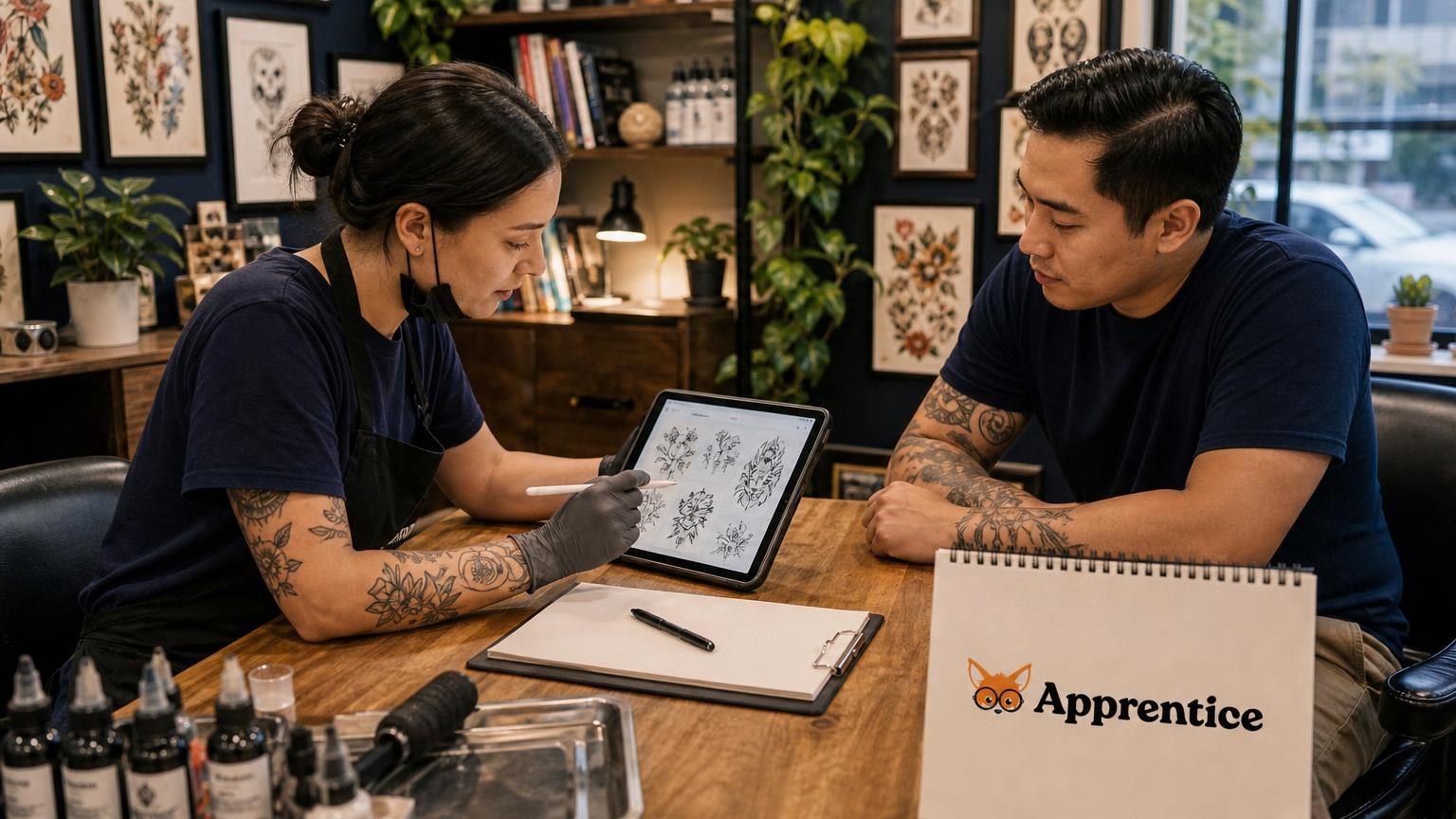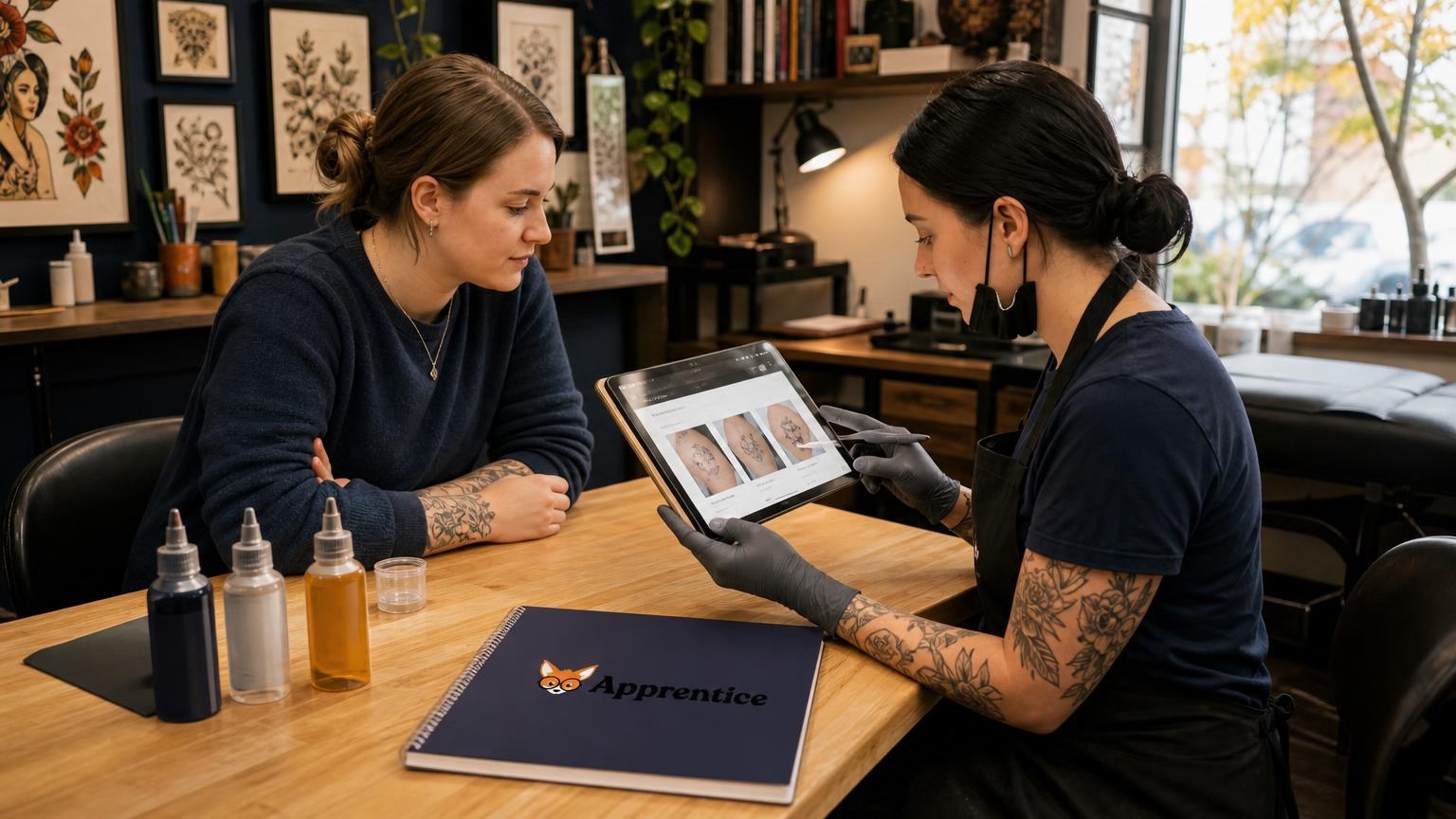
Someone tells you they want a butterfly tattoo, and you can almost feel the eye-roll ripple through the shop. We’ve all seen it. A client walks in excited about a design they found on Instagram, and somewhere in the back of the room, somebody mutters “basic.” But here’s the thing: trending tattoos aren’t always bad. Getting what you love, even if a million other people love it too, is a perfectly valid reason to sit in that chair. The tattoo industry is projected to grow to USD 5.99 billion by 2034, and that growth isn’t fueled by people making bad choices. It’s fueled by people making personal ones. The real question isn’t whether a design is popular. It’s whether it means something to the person wearing it. And that distinction matters more than any artist or client gives it credit for. So before you talk someone out of their fine-line rose or their tiny constellation piece, let’s pump the brakes on the judgment and look at what’s really going on here.
The Stigma of the ‘Basic’ Tattoo
Tattoo culture has always had a gatekeeping problem. There’s an unspoken hierarchy where custom one-of-a-kind pieces sit at the top and Pinterest-popular designs get shoved to the bottom. That pecking order isn’t just annoying. It actively discourages people from getting ink that genuinely makes them happy.
Why We Judge Popular Designs
Part of it is ego. Artists want to create original work. That’s understandable. Nobody goes through an apprenticeship dreaming of cranking out the same infinity symbol forty times a week. But the judgment doesn’t just come from artists. Clients judge each other, too. Social media has turned tattoo culture into a weird competition where “unique” equals “better.” And that’s a false equation.
The truth is, some designs are popular because they’re beautiful. A well-executed fine-line botanical piece isn’t less impressive because your neighbor also has one. A skilled artist can make a common subject sing. The problem isn’t the design. It’s the assumption that popular automatically means thoughtless.
The Myth of Absolute Originality
Here’s a reality check: nothing is truly original anymore. Every skull, every dagger, every sacred geometry piece draws from centuries of visual tradition. Traditional American tattooing? It’s an entire style built on repeated motifs. Nobody calls a classic eagle “basic.” The anchors and swallows of the 1940s were the trending tattoos of their era.
True originality in tattooing isn’t about inventing a subject nobody’s ever seen. It’s about execution, placement, and personal context. The artist’s hand makes it unique. The client’s story makes it meaningful. Chasing “never been done before” is a fool’s errand that leads to weird, forced designs nobody actually wants on their body forever.
Why Trends Become Popular in the First Place
Trends don’t appear out of thin air. They catch on because something about them works visually and emotionally. Understanding why can help both artists and clients feel better about popular choices.
Aesthetic Appeal and Visual Balance
Minimalist linework tattoos were the most popular style in 2023, chosen by 40% of clients. That’s not a coincidence. Fine lines photograph well, age gracefully on certain skin types, and fit almost any body placement. They work because the visual math checks out.
Designs trend because they solve aesthetic problems. Small, delicate pieces suit people who want subtlety. Bold blackwork appeals to people who want impact. Watercolor styles attract people who love color without hard outlines. Each trend represents a visual solution that resonates with a large group of people at the same time.
Universal Symbolism and Shared Meaning
Roses mean love. Lions mean strength. Waves mean change. These aren’t clichés. They’re universal symbols that humans have used for thousands of years. A symbol doesn’t lose its power because lots of people connect with it. If anything, shared meaning makes it stronger.
When a client picks a trending design, they’re often tapping into something deeply human. The desire to mark a transition, honor a loss, or celebrate a part of their identity. That impulse is ancient. The specific style just reflects the visual language of their time.
Tattoos as a Time Capsule of Culture
Every era has its signature tattoo styles. Tribal in the ’90s. Lower-back butterflies in the early 2000s. Watercolor in the 2010s. These designs mark a moment in cultural history, and that’s not something to be embarrassed about.
Capturing a Specific Era of Your Life
Your tattoos tell the story of who you were when you got them. That fine-line fern you got at 24? It captures your aesthetic, your values, and your moment in time. Twenty years from now, it won’t just be a tattoo. It’ll be a time capsule.
People worry about regret, but roughly 27-36% of tattooed people consider removal within 5-8 years. That means the majority don’t. Most people keep their ink and grow into it. The ones who do consider removal aren’t always regretting the design itself. Sometimes it’s about quality, placement, or changed personal circumstances. Trending or not, the design is rarely the whole story.
The Evolution of Tattoo Artistry Techniques
Trends also push the craft forward. When dotwork exploded in popularity, artists had to level up their technique. When geometric patterns took over Instagram, precision became a selling point. Each wave of trending styles forces the industry to innovate.
The North American tattoo market alone hit USD 861.68 million in 2024, and that money funds better machines, better ink, and better training. Trends drive demand. Demand drives investment. Investment drives better tattooing for everyone. So the next time you roll your eyes at another request for a micro-realistic pet portrait, remember: that trend is paying for your new rotary.
Prioritizing Personal Joy Over Exclusivity
Tattooing is permanent. It’s personal. People want it to be perfect. And “perfect” doesn’t have to mean “nobody else has this.” Perfect means you love looking at it every single day.
The Emotional Value of Living with Art You Love
Clients are increasingly moving toward custom pieces created in collaboration with their artist, and that’s great. But “custom” doesn’t mean the subject has to be obscure. A custom rose is still a rose. The collaboration is what makes it special: the conversation about size, style, shading, and story.
As artists, we sometimes forget that our clients live with these pieces 24/7. They see them in the mirror every morning. The emotional return on a tattoo isn’t measured by how rare the concept is. It’s measured by how it makes the wearer feel. Joy beats exclusivity every time.
Overcoming the Fear of ‘Regret’
The tattoo removal market is valued at $1.29 billion in 2025, and it’s growing fast. But that growth doesn’t mean people are making worse decisions. It means removal technology is more accessible and less stigmatized.
The best defense against regret isn’t picking an obscure design. It’s picking a great artist, communicating clearly, and choosing something you genuinely love. Tools like Apprentice help with that communication process by keeping design references, notes, and client conversations organized in one place. When artist and client are on the same page before the needle touches skin, regret becomes a lot less likely, regardless of whether the design is trending.
How to Put a Unique Spin on a Common Motif
If you love a popular design but want it to feel like yours, there are real, practical ways to make that happen. You don’t need to reinvent the wheel. You just need to customize it.
Choosing the Right Artist for the Style
This is where the magic happens. The same butterfly done by ten different artists will look like ten completely different tattoos. Style is the differentiator. A blackwork artist will give you a butterfly that looks nothing like one done by a neo-traditional specialist.
Do your research. Look at portfolios. Find someone whose hand naturally aligns with the vibe you want. And don’t be afraid to book a consultation first. Platforms like Apprentice make it easy to browse artist portfolios, book consults, and share reference images before you commit. That upfront communication turns a “basic” concept into a personalized piece.
Playing with Placement and Scale
A tiny wrist tattoo of a crescent moon hits completely differently than a large crescent moon spanning someone’s ribcage. Placement changes everything: how the design interacts with your body’s contours, how visible it is, and how it ages over time.
Here are a few ways to make a common motif feel personal:
- Change the scale dramatically. Go bigger or smaller than expected.
- Pick an unconventional placement. Behind the ear, inner bicep, or along the collarbone.
- Ask your artist to incorporate personal elements. Birth flowers, coordinates, or initials woven into the design.
- Mix styles. Combine a trending subject with an unexpected technique, like pairing a minimalist moon with traditional stipple shading.
The subject is just the starting point. Everything else is where your personality lives.
Embracing Your Aesthetic Identity Without Apology
Getting a tattoo you love isn’t a compromise. It’s the whole point. The industry’s obsession with originality sometimes overshadows the actual purpose of tattooing: marking your body with art that resonates with you. Full stop.
If you’re an artist, resist the urge to steer clients away from popular designs just because you’ve done them before. Your job is to execute their vision at the highest level, not curate their taste. And if you’re a client, don’t let anyone shame you out of a design that speaks to you. Your skin, your call.
The case for getting what you love is simple. Life is short. Tattoos are long. Pick what makes you happy, find an artist who’ll crush it, and stop apologizing for your taste.
If you’re ready to connect with clients who are excited about their next piece, whether it’s trending or totally off-the-wall, Apprentice lets you get started with bookings, deposits, and client management in minutes. It’s free for 14 days, and it takes about five minutes to set up. Spend less time on admin. Spend more time making art people love wearing.

Jason Howie
Founder & CEO
Jason Howie is the founder of Apprentice, passionate about empowering tattoo artists and shops with better tools to manage their business and serve their clients.