Tattoo Meanings 12 min read

MS-13 Tattoo Symbols: What They Mean and Why They Matter

Discover the true meaning behind MS-13 tattoo symbolism and gain insights into gang culture.

Jason Howie
Jason Howie

Founder & CEO

Understanding MS-13 Tattoo Symbolism: A Deep Dive into Gang Culture

Understanding MS-13 Tattoo Symbolism: A Deep Dive into Gang Culture

Late one night on a gritty backstreet, the story behind a tattoo becomes more than just ink on skin-it turns into a coded language. In the urban maze where MS-13 members navigate territory and identity, their tattoos tell the real story. These ink marks aren’t just art; they serve as street billboards for their gang affiliation. By breaking down these symbols and their subtle shifts over time, it becomes clear that what seems like mere body art is actually important evidence of gang networking and status. Check out this Mississippi Department of Public Safety report for some background on tattoo usage in gang culture.

The Origins of MS-13 Tattoo Symbolism

A lot of the ink is steeped in history. The use of tattoos by MS-13 goes way back. Early on, signatures like “MS,” “Salvatrucha,” and even devil horns marked group affiliation. These symbols were a quick-and-dirty way to signal to fellow gang members who was in the clique. As documented in reports, members often have the name of their specific clique tattooed, letting anyone who sees it know exactly where they stand. This kind of unmistakable brand identity helped the gang maintain a level of organization and unity even when they were spread across different regions.

Even experts in the field point out that such tattoos are nothing less than public symbols-that’s how insiders confirm who’s who on the streets. As one academic put it in a CNN interview, “Tattoos are really a public symbol for other gang members to see” (Pitzer College professor Susan Phillips). These marks are as much about intimidation and signaling loyalty as they are about personal expression.

Evolution of the Ink: From Overt Symbols to Clandestine Codes

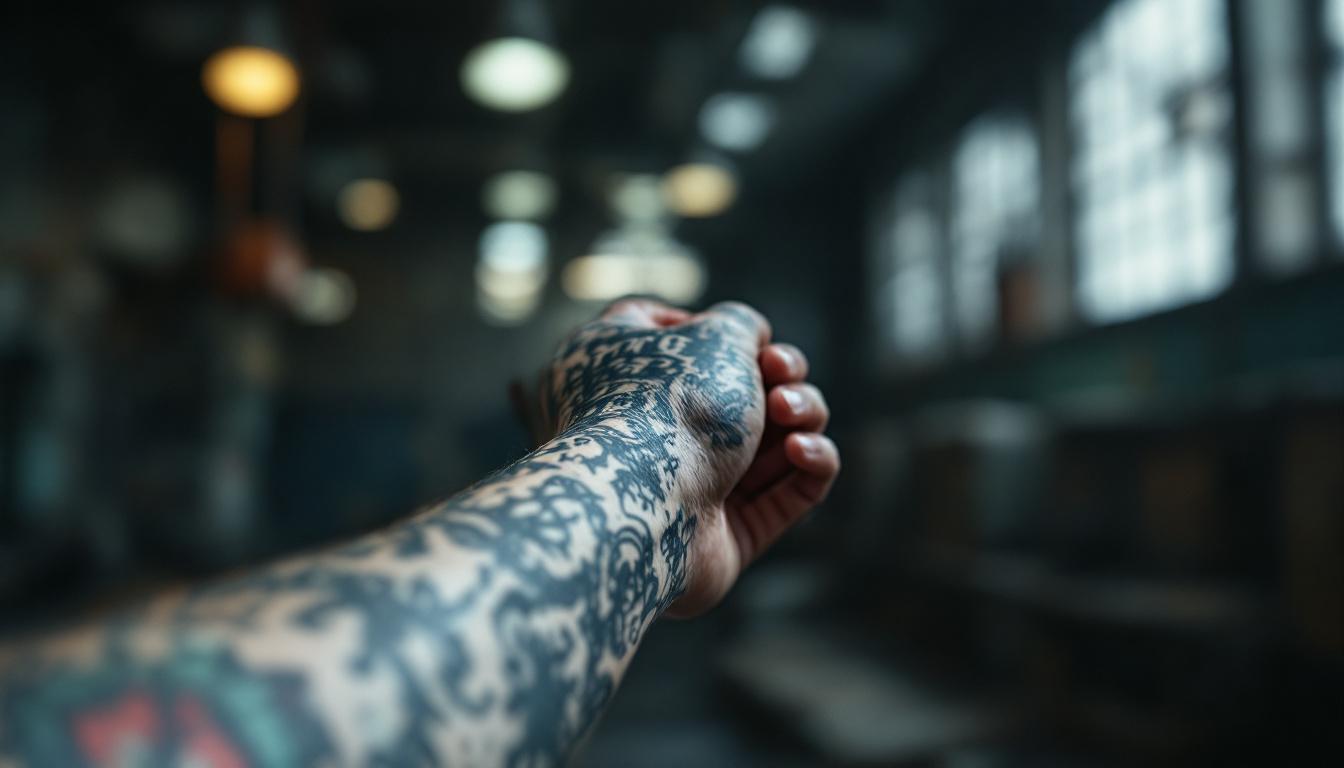
The ink on the skin isn’t static. Over time, MS-13 tattoos have evolved. Originally, the marks were bold and unmistakable, aimed at clearly showing membership and allegiance. But as law enforcement cracked down, members began creeping towards more subtle designs that still held their meanings, but flew under the radar of patrols and surveillance. Such changes in appearance highlight an adaptive strategy-a shift designed to protect the members while keeping their identities intact on the streets.

Section Image

This stealthy evolution is well noted. Suffolk County prosecutor Raymond Tierney explained that these tattoos now often carry hidden meanings, allowing the gang members to stay one step ahead of those hunting them. While the overt tattoos like “MS-13” became easier for law enforcement to target, the clandestine designs now blend in with everyday symbols, showing that even in dire circumstances, adaptability reigns supreme. More on how these hidden designs work can be read from The Washington Post report on their stealth adaptations.

Visual Codes and Iconography

Identifiable Markers on Skin

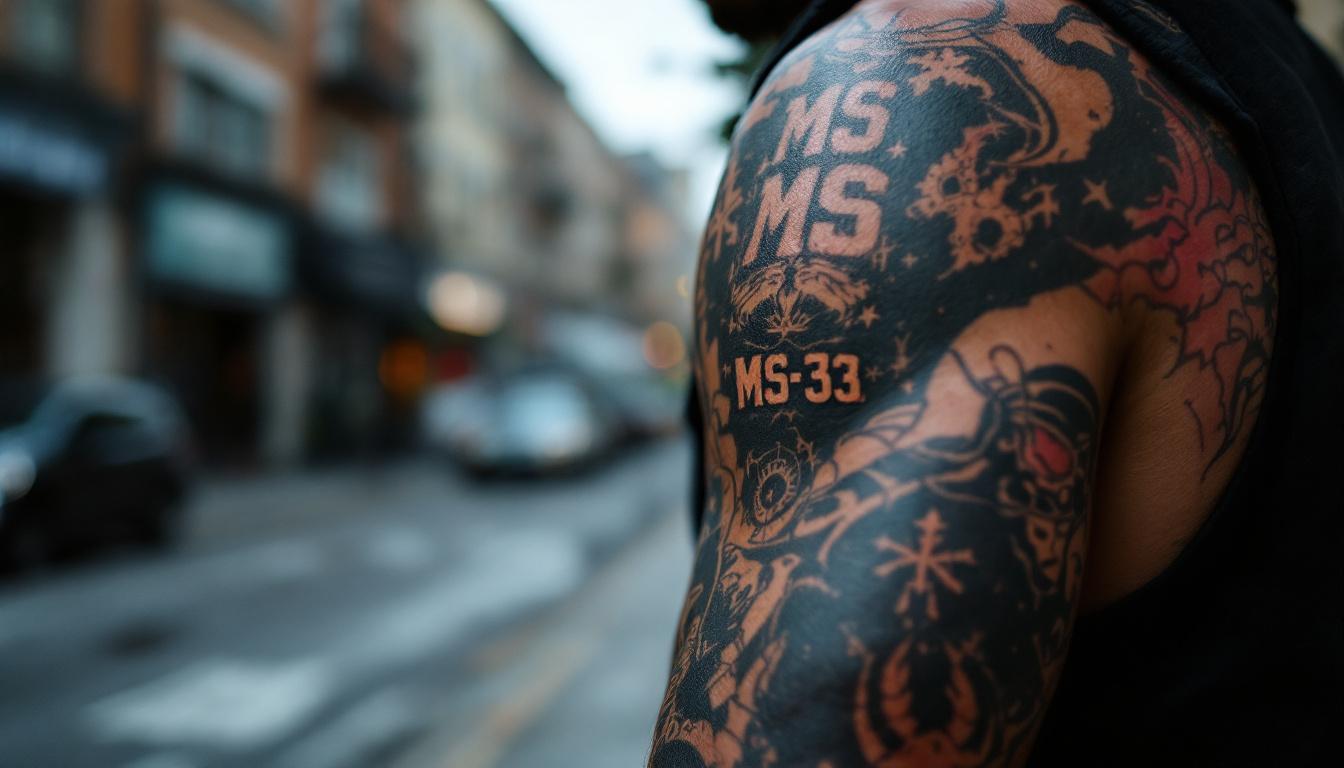
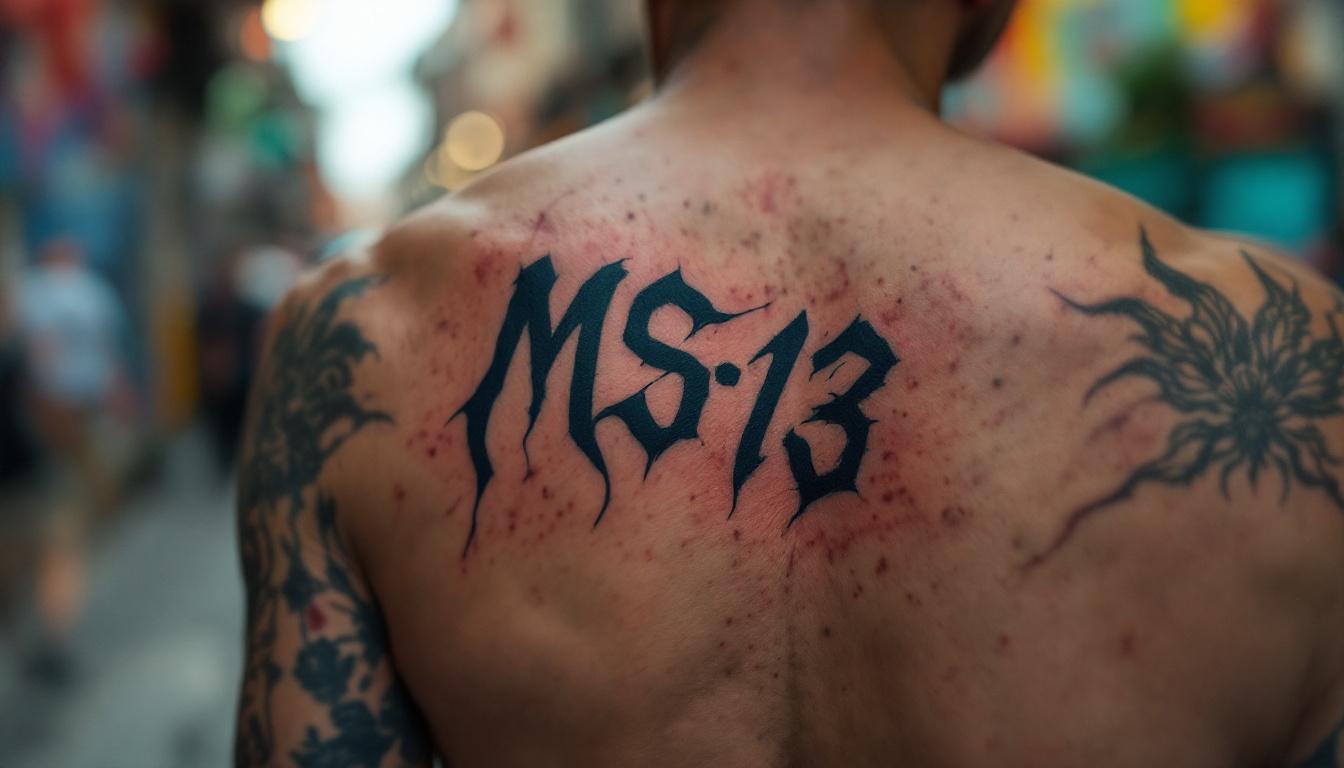
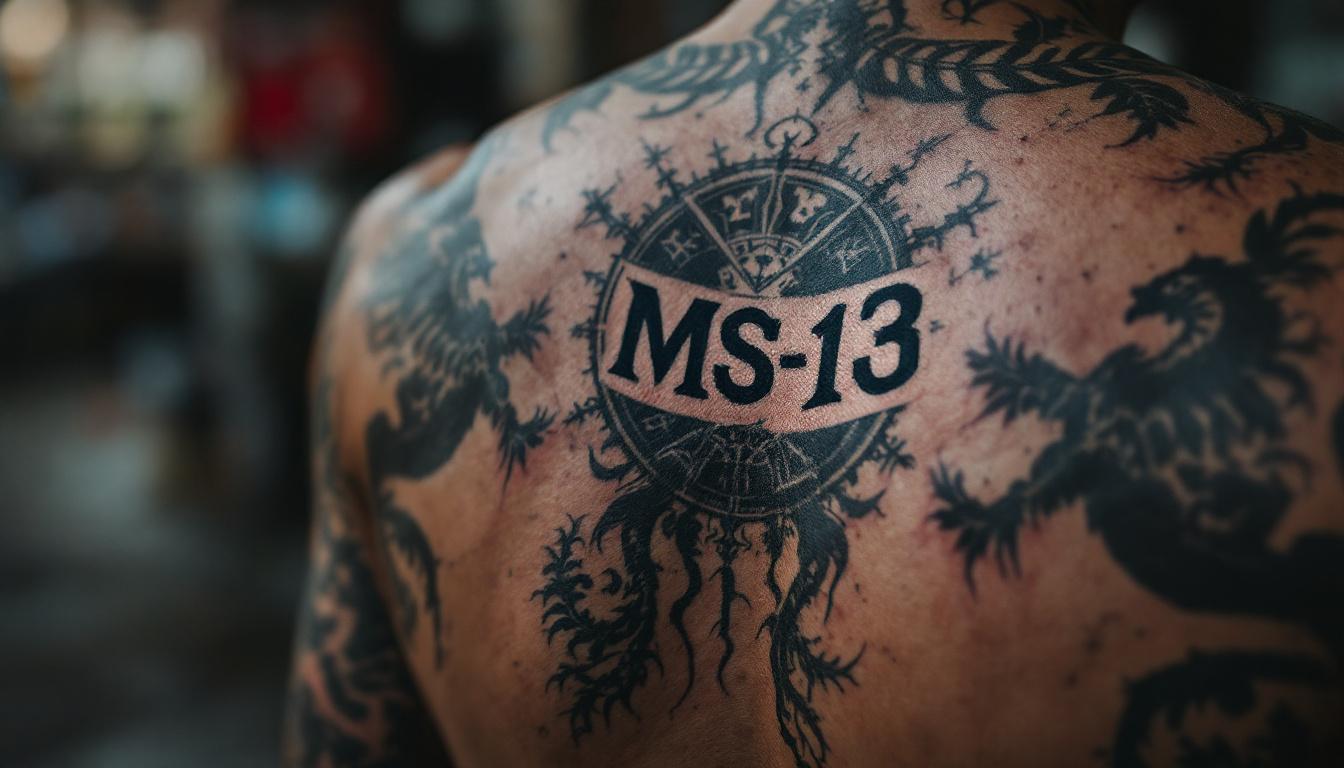
Walk down any urban block and you might spot someone sporting the unmistakable symbols of MS-13. Tattoos featuring “MS-13” are more than skin deep-they’re like mobile status updates. When someone walks with a tattoo that spells out the gang’s name or includes famous symbols like the devil horns, it immediately sets off alarm bells for those who know the signs. Experts even liken these tattoos to billboards thanks to how boldly they display gang membership.

One UCLA professor sharply remarked, "MS-13 members have tattoos that say 'MS-13,' they're not head-scratchers; they're billboards" (Jorja Leap of UCLA). It’s like flashing a neon sign right on your skin, warning rivals and drawing in allies.

Hidden Meanings and Camouflaged Designs

Tattoo designs aren’t always clear cut. With law enforcement on high alert, many MS-13 members now opt for designs that incorporate common cultural references. One surprising trend noted by the Mississippi Department of Public Safety is the use of the Chicago Bulls logo on clothing, serving as a less conspicuous sign of gang affiliation.

This unexpected twist shows that identity isn’t confined to traditional symbols anymore. By blending in a popular sports logo with gang symbolism, they create a coded language only insiders understand. The evolution of these tattoos shows the ingenuity behind the adaptations-modern designs are crafted with multiple layers of meaning in mind, ensuring that while the tattoo might look generic at first glance, it holds much deeper connotations to those who know where to look.

Social Dynamics Behind the Ink

The decision to get inked isn’t solely about gang status-it’s soaked in social dynamics and survival instincts. Many members, especially new recruits, might not have had much choice at the start. A study highlighted that 70% of new recruits in El Salvador joined due to poverty or the looming threat of violence rather than stemming from voluntary decisions (Journal of Gang Research, 2020). This statistic lays bare the socioeconomic pressures that steer youths towards gangs like MS-13.

The ink, in this sense, becomes a symbol of both submission and defiance. On one hand, it marks them as part of a system that police and society at large want to clamp down on. On the other, it’s a declaration of identity, an assertion that they have found a group where survival is possible despite the odds.

For many individuals, getting a tattoo is almost ritualistic-an irreversible step that binds them to the gang. It’s a way of saying, "I’m in this world now, and leaving is not an option." Such is the power of the body art; it turns personal skin into a canvas of survival and belonging.

Geographical Variations and Crackdowns

Not all streets look the same, and neither do the tattoos. In places like Honduras, recent crackdowns have led to a noticeable decline in overt gang tattoos. Various local measures have forced many gang members to tone down their public signals, keeping their faces less marked by gang affiliation. This contrasts with other regions where the tattoos remain outspoken and serve as a permanent badge of gang membership.

The strategic reduction of facial tattoos in Honduras is a direct response to aggressive law enforcement actions. In these areas, associates have become adept at blending in while still maintaining a looser connection to gang symbolism. An analysis by Fox News highlighted this trend, decoding the hidden meanings behind gang tattoos in regions where the authorities are cracking down (Fox News report).

The variations across geography also expose the nature of gang culture itself-fluid, reactive, and constantly under pressure. Whether it’s through outright display or a subtle nod to a hidden world, every tattoo echoes the community’s response to its ever-changing environment.

The Role of Tattoos in Gang Hierarchy and Reputation

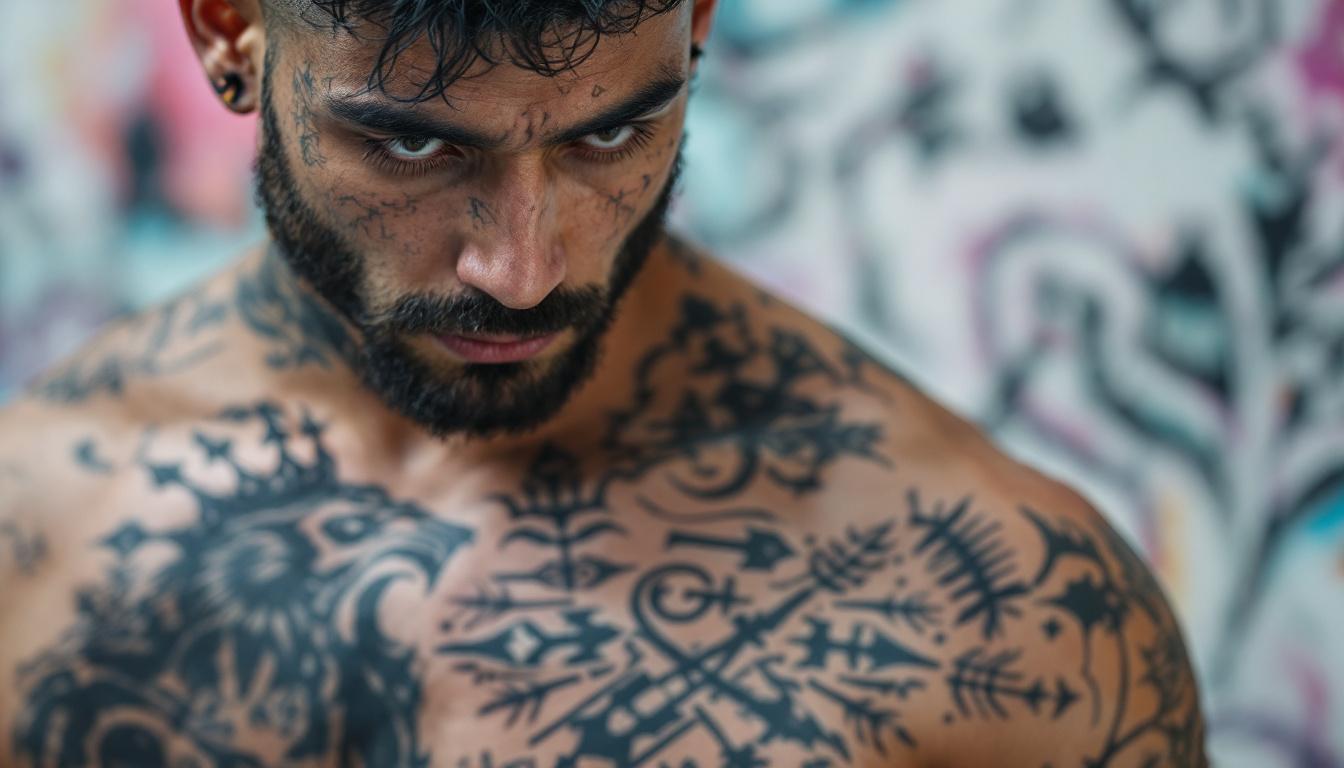
Tattoo art among MS-13 members isn’t just for show-it plays a role in marking hierarchy. Detailed facial tattoos, for example, often signal a higher status within the gang. They’re not given lightly; such markings indicate not only belonging but also that the wearer has achieved a certain level of respect or notoriety. Often, these complex designs are awarded for acts that prove the member’s willingness to embrace violence or other serious deeds.

Section Image

This limbic language of ink acts as a badge among peers. When someone sports a detailed facial tattoo, it’s a scream for recognition in the underworld. An FBI report from 2018 noted that these facial tattoos signify higher status or violent acts (FBI study), emphasizing that such marks are not just decorative but are potent symbols of power.

In the rough-and-tumble world of MS-13, these tattoos create a clear, visible hierarchy. They help inform who is respected and who’s still proving their worth. It’s a straightforward, albeit brutal, method of keeping order within the ranks.

Cultural Impacts and the Future of Gang Tattoos

With the changing times, the culture of gang tattoos also shifts. What began as clear street symbols have now morphed into intricate designs with layers of meaning that often hide in plain sight. As law enforcement tactics evolve and society becomes more digitally interconnected, gang members continue to innovate their ink styles to avoid detection while still upholding their group identity.

The future of these tattoos lies in their ability to adapt. Even as external pressures prompt members in places like Honduras to scale back on facial marks or overt symbols, the underlying cultural drive to belong and signal loyalty remains. This means that while the visuals may shift to more subdued cues, the language of the ink will persist as long as the gang culture exists.

Ultimately, these tattoos serve as a living record of survival, resistance, and adaptation among disenfranchised communities. They are a testament to how, even in the face of adversity and suppression, a community finds ways to express its identity and maintain its structure. For anyone studying gang culture, these evolving symbols provide a dynamic, ever-changing window into the world of MS-13 and similar groups.

Tattoo Symbolism: More Than Just Ink

Beyond the markings, every inked line on a member’s body speaks to the challenges and experiences they’ve faced. In many ways, these tattoos punctuate the stark narrative of survival behind a life in the gang. Every line, every symbol tells a story-of how someone fell into poverty and threats, of potential honor and infamy, and ultimately, of commitment to a rugged life on the streets.

This transformation from body art to a hallmark of gang reputation underscores how deeply intertwined identity is with external perception. It’s not enough for the ink to simply mark a body; it must also mark a history, a struggle, and a defiant stance against a world that has often been unforgiving.

Even if these tattoos now pivot from overt displays to cleverly camouflaged art, they remain potent signals to insiders-and even to onlookers, who can decipher the coded language of resistance. As gang members continue to navigate legal pressures, economic hardships, and personal battles, the essence of these tattoos endures. They are a raw, unfiltered portrayal of a life that blends art with survival, creating a narrative that will likely continue to evolve.

Implications and Reflections on Society

It’s hard not to pause when looking at a tattoo that doubles as a badge of honor and a battle scar. The public symbols of MS-13 remind us that behind every emblem lies a web of economic hardship, societal neglect, and the struggle for belonging. For many young recruits, the decision to adopt such marks wasn’t just about gang allegiance-it was a necessary step born out of a dire need to survive in a system that offered few alternatives.

This grim reality surfaces in studies that note how poverty and threats drive youth into the gang culture, demonstrating that the root causes extend far beyond a desire for rebellion. The choices made on skin serve as a visible reminder of deeper societal issues. By analyzing this trend, communities and law enforcement agencies are pushed to think about holistic approaches that tackle the underlying economic and social conditions.

The conversation about MS-13 tattoo symbolism isn’t solely confined to the streets. It ripples outwards, making society question how young people can be driven towards such drastic markers of affiliation. By engaging in open dialogues about these issues and reflecting on how cultural symbols evolve in response to external pressures, there’s hope for addressing the broader problems at hand.

Final Thoughts: Decoding a Complex World

When looking at an MS-13 tattoo, the picture is never as simple as it might first appear. It’s a blend of defiance, survival, and identity-a mixture that encapsulates the raw realities of a harsh street life. The evolution of these tattoos, from overt symbols to hidden codes, mirrors not just adaptive strategies but also the larger societal shifts, where law enforcement and community dynamics are in constant flux.

In neighborhoods where ink acts as both a status symbol and a marker of survival, every design has a backstory. The changes over time reveal how gang members continually adapt not only to avoid detection but also to sustain a group identity that has become their life’s signature. As discussions around these symbols persist, they invite both introspection and debate on larger issues such as economic disparity, systemic failure, and the human drive to belong.

This deep dive into MS-13 tattoo symbolism unveils the layers beneath the surface. The ink isn’t just decorative-it’s an audible shout in a noisy world that demands attention. For anyone trying to understand gang culture, it’s clear that these tattoos are not simply a matter of style; they are a complex language of survival and identity. More details on these shifting symbols can be explored further in articles by outlets such as Mississippi Department of Public Safety, affirming that there’s a lot more than meets the eye.

Empower Your Tattoo Studio with Apprentice

As we unravel the complex language of MS-13 tattoos, it's evident that the world of ink is both profound and intricate. If you're a tattoo artist or studio owner looking to manage the artistic and business aspects of your craft with the same level of precision and care, Apprentice is your solution. Our platform is designed to enhance the way you work, from scheduling to client management. Elevate your studio's potential and join a community of professionals who value the art and story behind every tattoo. Start your free trial today and transform the way you connect with your clients and their stories.

Jason Howie

Jason Howie

Founder & CEO

Jason Howie is the founder of Apprentice, passionate about empowering tattoo artists and shops with better tools to manage their business and serve their clients.
Related Articles