Exploring the Legacy of Horiyoshi I: Insights into the Early Lineage of Japanese Tattoo Art
A gritty dive into the roots of Japanese tattoo art kicks off with the vivid imagery and raw style of legends like Horiyoshi III. Even if the headline is a twist with the "I" in the title, the discussion weaves through the established lineage of ink masters who have defined this transformative art form. For those ready to get schooled in the deep traditions of Irezumi, understanding figures such as Horiyoshi III becomes a must. Classic Japanese traditions merge with a pulse that keeps modern aficionados buzzing, and early influences resonate through every stroke on skin. Check out some background on Horiyoshi III on Wikipedia.
The Grit Behind the Ink: Horiyoshi III’s Enduring Influence
A name that echoes in the alleyways and studios of tattoo lore, Horiyoshi III, born Yoshihito Nakano in 1946, stands tall as a custodian of traditional full-body tattooing, lovingly referred to as "Horimono." The work of this artist isn’t just about decoration; it’s a culture transmitted through generations and etched onto flesh. With a technique that takes years, sometimes up to five years of weekly sessions, his artwork isn’t just ink, it is a legacy (Pitt Rivers Museum).
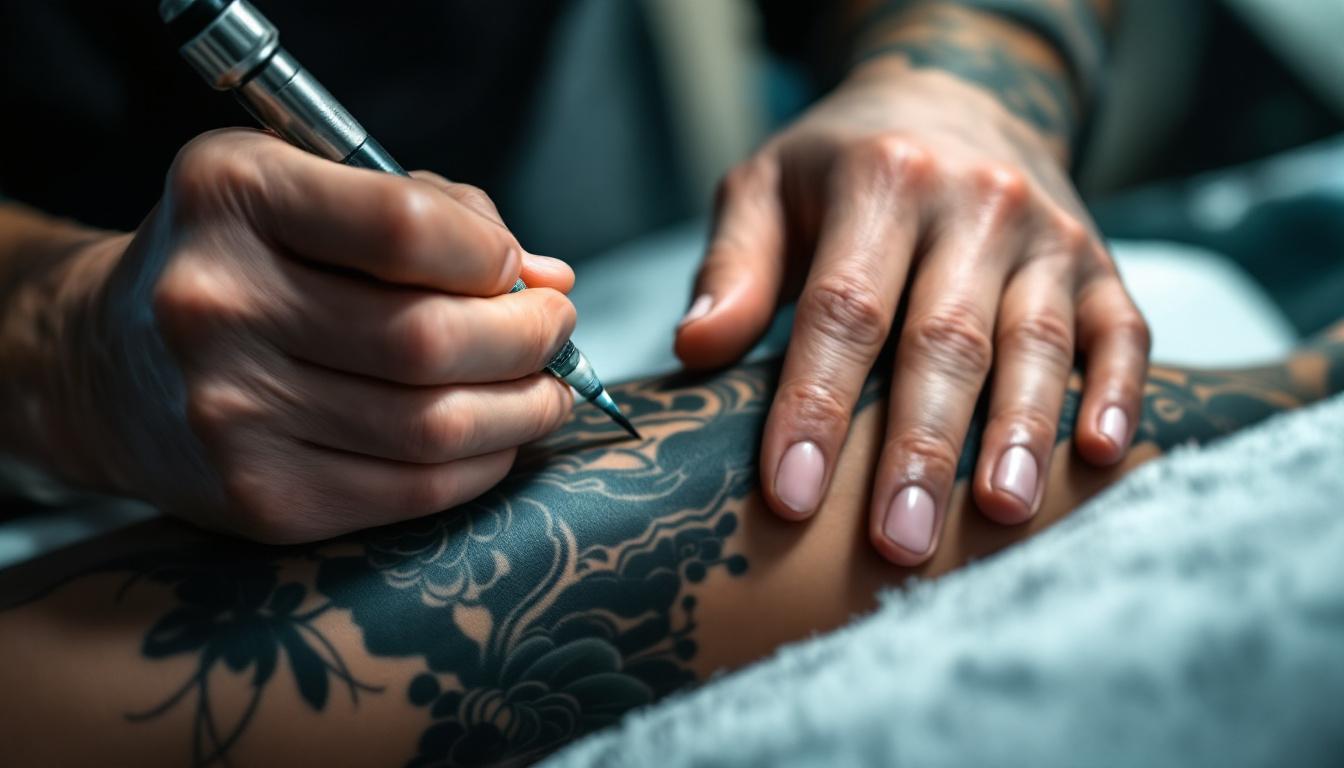
The art of tattooing in Japan evolved from its humble, sometimes grim beginnings-once used as punishment-to an esteemed emblem of beauty and identity. Horiyoshi III emerged from this evolution with a passion that translated into each carefully executed line. His assertion that "The creatures I draw only come alive on somebody's skin. This is why I never show my designs as so-called art" reflects a deep connection between the artist and the canvas of flesh (Craft Contemporary Shop).
When picturing the painstaking process behind each piece, one can’t help but marvel at the commitment of both artist and client alike. The tattoos are more than images; they are life stories inked onto human bodies, each line imbued with cultural significance and raw authenticity.
Steeped in History: The Story Behind Irezumi
Traditional Japanese tattooing, known as Irezumi, is steeped in history, evolving over several thousand years. What began as stigmatization eventually emerged as a revered form of art. Through centuries, the art form transformed into a medium of expression, identity, and defiance, a journey that countless bodies have vividly narrated.
Ancestral Techniques and Cultural Shifts
The techniques that shape these iconic images are remnants of an era where every mark had a meaning. The transition from punishment to personal expression reflects the resilience and spirit embedded within Japanese culture. Each design is more than just an aesthetic choice; it is a chronicle of survival, honor, and the relentless pursuit of beauty against every odd.
While the tattooing process is long and arduous, requiring up to five years to complete a full-body piece and costing over £15,000 according to some accounts (Pitt Rivers Museum), it represents an investment in identity and a love for tradition. These deep-rooted practices reflect not only the technical skill required but also the enduring spirit of those who embrace their heritage.
From Skin to Museum: The Yokohama Tattoo Museum
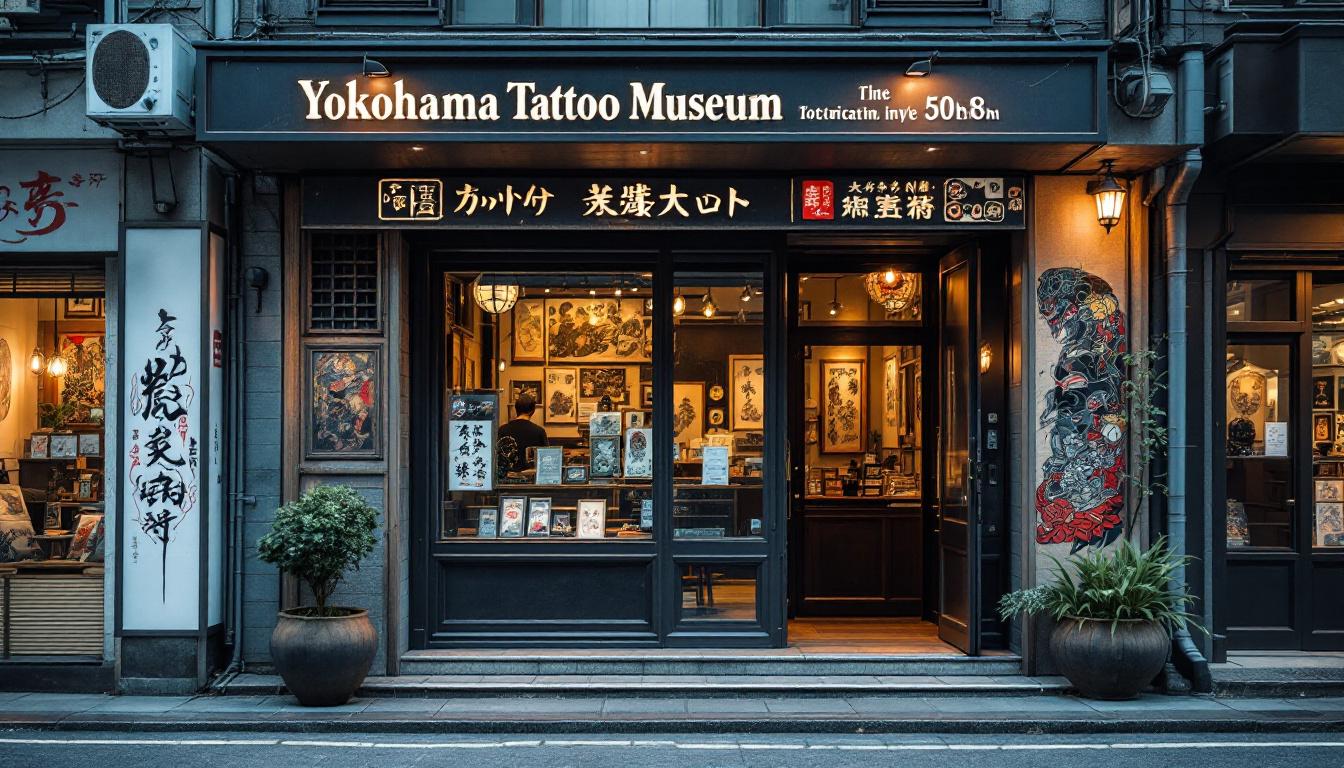
One of the most tangible celebrations of Japanese tattoo art is the Yokohama Tattoo Museum, opened in 2000 by Horiyoshi III himself. This museum stands as a compendium of stories inked in time, showcasing the evolution of tattoo art from underground subculture to celebrated cultural phenomenon.
A Physical Testament to a Living Tradition
The Yokohama Tattoo Museum isn’t just a repository of images-it’s a living testament to the journey of tattooing. Visitors gain firsthand insight into techniques, tools, and philosophies that have driven generations of tattoo artists to push boundaries and redefine art on skin. The museum’s dedication to preserving the layered history of Irezumi elevates it beyond a simple exhibition space. Instead, it becomes a pilgrimage site for those seeking the pulse of a vibrant cultural narrative.
Modern art enthusiasts and traditionalists alike find common ground within its walls, realizing that each exhibit speaks to a legacy of endurance, creativity, and cultural defiance. The museum serves as a gateway, linking historical context with modern practice while inspiring a new generation of artists who honor the past but innovate for the future.
Tales of Dedication: Training and the Apprenticeship Legacy
Behind every renowned tattoo artist stands a mentor whose influence shapes the next wave of artistic rebellion. Horiyoshi III's influence stretches far beyond his own needle, as evidenced by the success and unique style of apprentices like Alexander Reinke. His apprentice once remarked, "I was attracted to Japanese tattoos because of their singularity," capturing the allure of a tradition deeply rooted in aesthetic singularity and cultural symbolism (Taipei Times).
The Dynamics of Master-Apprentice Bonds
The dynamic between mentor and apprentice in the world of Japanese tattoo art is one steeped in trust, tradition, and painstaking practice. The process is as much about learning the technical aspects of needle work as it is absorbing the philosophies that inform such intricate artistry. This relationship highlights the importance of passing down not just skills, but also the deep-seated values that drive the art form.
The transmission of knowledge from seasoned artists like Horiyoshi III to their disciples ensures that the stories, symbols, and methods embedded in every tattoo remain vibrant, authentic, and ever-evolving. This system of mentorship creates a ripple effect where art continuously reinvents itself while remaining firmly attached to its storied past.
Bridging Past and Present: Contemporary Echoes of a Timeless Art
The world of tattooing today is a mosaic of diverse styles and influences, yet the echoes of traditional Japanese tattoos reverberate strongly among modern practitioners. Horiyoshi III’s contributions are not only seen in his own work but also in the way modern tattoo artists adapt traditional motifs into new contexts. Contemporary artists often reference the full-bodied narratives and fluid designs characteristic of Irezumi, blending them with modern aesthetics for a fresh twist.
A Living Dialogue of Ink and Identity
Modern tattoo aficionados are drawn to the depth of Japanese tattoo art because it speaks of history, hardship, and the indomitable spirit of its bearers. The conversation between the old school and the new is palpable, as traditional techniques get reinterpreted in dazzling, unexpected forms. A 2012 article in the Taipei Times illustrates how Horiyoshi III’s work bridges the gap between time-honored tattoo practices and the contemporary art scene, making him a living icon in the industry.
The melding of the centuries-old with the pulse of today creates an ever-changing landscape where every tattoo tells a story that is simultaneously ancient and modern. This conversation between eras is a testament to the dynamic nature of ink and the resilience of cultural identity.
Ink as Identity: The Philosophy Behind Traditional Tattoos
At the core of traditional Japanese tattoo art lies an unyielding philosophy: ink isn’t mere decoration but an intrinsic part of a person's identity. Every meticulous brush, every swirling line, is laden with symbolism and history. Tattooing, in this pure form, is an art dedicated to permanence and self-expression that transcends simple aesthetic appeal.
The Intensity of Commitment
The rigorous process-sometimes taking five years of weekly sessions-underscores a level of commitment unmatched in most other art forms (Pitt Rivers Museum). This long-term investment is not just about the physical endurance of the client; it’s about trusting an artist to imprint a part of one’s soul onto their skin.
For many, getting inked is akin to penning a legacy with living pigments-a choice that speaks volumes about who they are and the traditions they honor. This profound connection between the art and the bearer creates an unspoken dialogue that resonates long after the needle is put aside.
Modern Legends: Celebrating Longevity and Iconic Status
Even as the landscape of tattooing shifts with trends and technology, figures like Horiyoshi III continue to assert their influence. A recent video titled "73-Year-Old Tattoo Artist Is A Legend In Japan" brings his enduring impact front and center (YouTube). This is not just nostalgia-it’s an affirmation that the old-school craft holds its ground amidst the hustle of modern aesthetics.
A Tribute to Lasting Artistry
These modern tributes capture the spirit of a bygone era while celebrating the relentless creativity that defines Japanese tattoo art. Horiyoshi III's work serves as a bridge between generations, an unyielding reminder that mastery is not merely about technique but about a lifetime devoted to the art of storytelling via skin.
Across modern studios from Philly to Tokyo, the whispers of ancient techniques and untold lore inspire a new generation of tattoo artists who seek authenticity and individuality. Each piece they produce is a nod to those who paved the way with dedication, relentless passion, and an unquenchable creative fire.
The Cultural Pulse of Japanese Tattooing in a Global Arena
The influence of traditional Japanese tattoo art resonates far beyond the borders of Japan. As the art style has spread globally, the distinctive motifs and deep-rooted symbols continue to inspire both modern tattoo enthusiasts and artists. The legacy of Horiyoshi III, with roots steeped in historical technique and personal expression, plays a significant role in the international expansion of tattoo culture.
A Global Exchange of Art and Identity
Today, tattoo studios across the world not only incorporate Japanese aesthetics into their portfolios but also weave in narratives that reflect the same intensity and respect for tradition. The global dialogue surrounding tattoo art is an exchange of cultural values-where the past meets the present in a dynamic interplay of influences. The international appeal is not merely a trend; it is a movement driven by respect for a storied art form and the vibrant personalities behind it.
This cross-cultural appreciation has sparked exhibitions, workshops, and collaborative projects, ensuring that traditional Japanese tattooing remains alive and evolving. As artists continue to explore and reinterpret these age-old designs, the ink becomes a shared language that binds communities across continents.
The Final Needle Stroke: Timeless Messages in Ink
Japanese tattoo art is far more than a trend or a fleeting fashion statement. It's a deeply personal narrative, a chronicle of heritage, rebellion, and unwavering craftsmanship. The legacy of artists like Horiyoshi III underscores the high stakes involved in every line and curve etched onto skin.
Reflections on a Living Tradition
The journey of Irezumi is one of persistence and evolution. From its inception as a tool for punishment to a celebrated cultural hallmark, the art retells the saga of its creators and wearers. Each tattoo is a conversation between time and identity-a reassurance that no matter how the world evolves, some stories remain etched in permanence.
In the heart of every traditional design lies a commitment to honor history and a desire to express oneself authentically. Whether viewed as rebellion or as a badge of honor, these tattoos speak to the eternal dance between art and identity-a dance that continues to inspire new generations. Modern practitioners look to both technique and spirit for guidance, ensuring that the passion for traditional Japanese tattooing isn’t lost but is instead reimagined in every bold new design.
For those who appreciate the raw sincerity of this art form, there’s a timeless quality in each carefully placed ink stroke. The appreciation for such craftsmanship is growing worldwide, and studios that dare to innovate while respecting tradition keep this honor alive. With roots that dig deep into Japan’s historical narrative of tattooing, every tattoo reminds its bearer-and its onlookers-of stories that have been passed down through time. The mosaic of skill, heritage, and unapologetic individuality ensures that the legacy of iconic artists remains an integral part of modern culture. Explore more about the transformative art journey and how these pieces speak to identity on sites like Wikipedia.
As this legacy continues to inspire and transform, it becomes clear that real art never fades. It lives on every time a needle meets skin and every time a new artist picks up the mantle. This is the essence of powerful storytelling through ink-a gritty, unapologetic tribute to the enduring spirit of Japanese tattoo art.
Embrace the Future of Tattoo Artistry with Apprentice
As you honor the traditions of Japanese tattoo art and carry forward the legacy of masters like Horiyoshi I, it's time to infuse your craft with the innovative solutions offered by Apprentice. Streamline your studio's operations and focus on the artistry that drives your passion. Start your journey with Apprentice and unlock the potential of advanced scheduling, AI-enhanced design collaboration, and superior client management. Begin your Free Trial today and experience the transformation in how you manage your tattoo studio.

Jason Howie
Founder & CEO
Jason Howie is the founder of Apprentice, passionate about empowering tattoo artists and shops with better tools to manage their business and serve their clients.