A client texts you at 11 p.m. asking if you’re free Saturday. You answer in the morning. They reply that afternoon. By the time you’ve gone back and forth on time, price, and deposit, two days are gone and they’ve half-booked with someone who has an online calendar. You didn’t lose that booking to a better artist. You lost it to a faster checkout.
That’s the shift. People who book haircuts, dentist visits, and dinner reservations from their phone now expect the same from a tattoo shop. They want to see your open slots, hold one, pay a deposit, and read your prep instructions without waiting on a reply. None of that touches your needle work. It’s the stuff that happens before and after the chair.
What clients actually want to do themselves
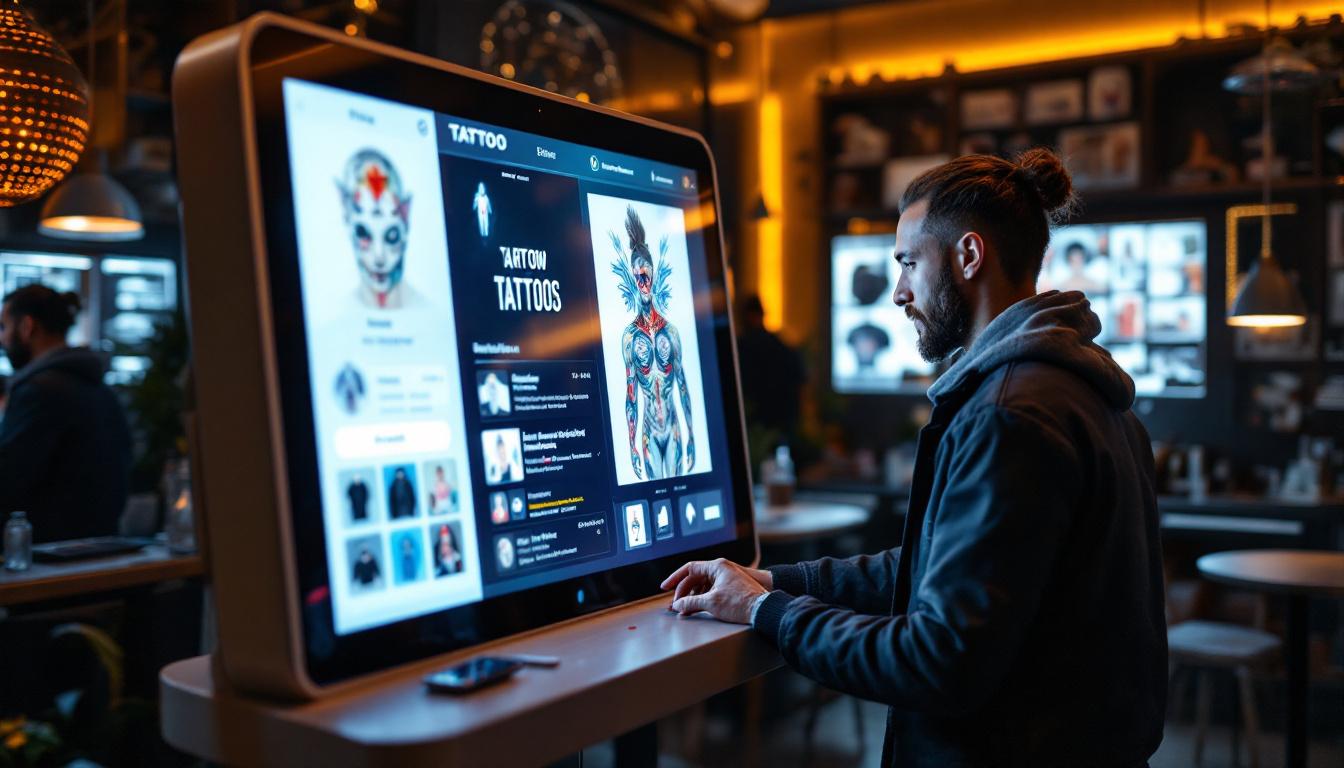
Strip away the hype and self-service is a short list. People want to book a time. They want to pay the deposit when they book, not chase a Venmo link later. They want to send reference images. And they want clear aftercare they can pull up at 2 a.m. when the new piece starts weeping and they panic.
Notice what’s not on that list. Nobody wants to design their own tattoo on a kiosk. That’s your job, and it’s the part you should guard. The admin around the art is where clients want control, because the back-and-forth there is friction for them too.
Booking is where most shops bleed time
Manual booking eats your day in small bites. A DM here, a missed call there, a “let me check my book” you forget to follow up on. Each one is a minute, and a hundred of them is a week. Worse, every gap between a client’s question and your answer is a window for them to book elsewhere or talk themselves out of it.
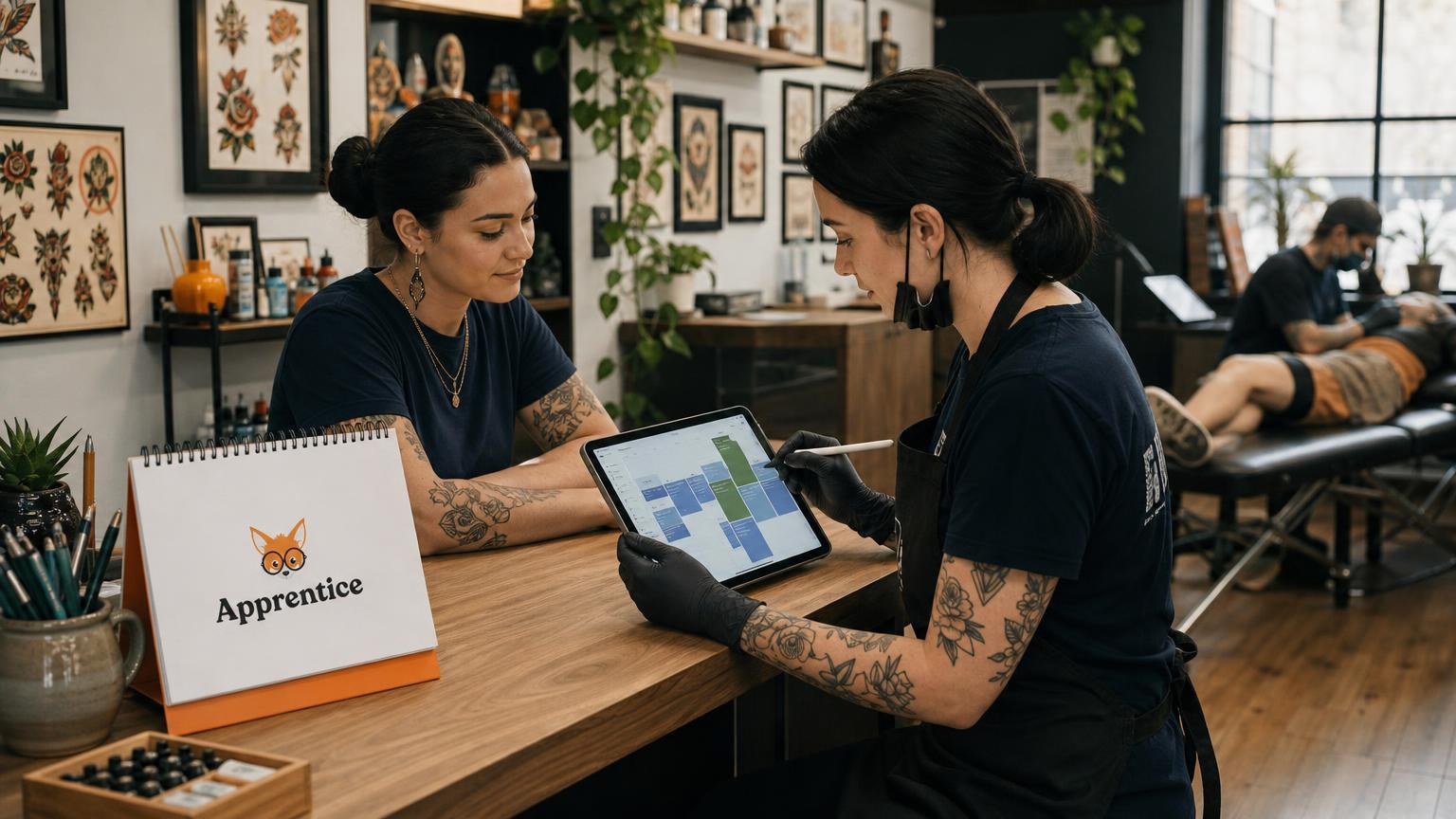
An online booking page closes that window. The client picks from times you’ve actually marked open, so you’re never double-booked and never negotiating a slot at midnight. You can set buffer time between sessions, block out your own days, and let the page say no for you when you’re full. Our scheduling tools handle that, and they sit on the same page as your deposit collection so the two aren’t separate steps.
Deposits stop being a fight
Every artist has eaten a no-show. You hold a four-hour block, the chair sits empty, and the rent doesn’t care. A deposit taken at booking fixes most of that, but only if it’s collected the moment someone books. Ask for it after and you’re back to chasing.
When the deposit is part of the booking flow, the client pays to lock the time. People who won’t put money down were never going to show up, and that’s fine. You’d rather learn it before you block the day than after. Tie payments to the booking and the filtering happens on its own. No awkward “did you send it yet?” text from you.
Aftercare clients can read without texting you
Here’s a quiet one. A lot of the messages you get after a session are aftercare questions you’ve answered a thousand times. Is this normal. Can I shower. Which lotion. You’re either repeating yourself or leaving people anxious about their fresh work.
Give them a page. A simple set of aftercare instructions they can open on their phone, written once, available always. It answers the common stuff so your phone only buzzes for the things that actually need you. Clients feel looked after, and you get your evenings back. This isn’t a downgrade in care. People follow written instructions they can re-read better than verbal ones they forget on the drive home.
What self-service can’t do
It can’t tattoo. It can’t read a client’s nervous energy and talk them down. It can’t tell someone their finger tattoo idea is going to fade in two years and steer them toward a spot that holds. The consultation, the read on placement, the judgment about what’ll still look good in a decade, that’s all you, and no booking page replaces it.
So don’t try to automate the parts that need a human. Automate the parts that don’t. A booking page doesn’t make you less of an artist any more than a card reader makes a coffee shop less of a coffee shop. It just clears the admin off your plate so you spend your hours on the art instead of the calendar.
Watch the trade-offs
Self-service has a failure mode, and it’s worth naming. Lean on it too hard and you turn a craft into a vending machine. If someone books a piece that needs a real conversation and your system just takes the money and assigns a slot, you’ll end up doing tattoos you’d have talked them out of. Build in a step for the work that warrants it. A booking page for a small flash piece is great. A blind booking for a full back piece is asking for trouble.
There’s also the data side. Once you collect names, numbers, and reference images, you’re holding people’s information. Keep it somewhere reputable, don’t spread it across five free apps, and don’t be the shop that leaks a client’s contact info. Trust is the whole business.
Where this is headed
More of your clients will arrive expecting to handle the basics themselves, the same way they already do everywhere else. Shops that make booking and deposits easy will catch the people who’d otherwise drift to whoever answers fastest. Shops that still run everything through DMs will keep losing those bookings without ever knowing why.
The fix isn’t complicated. Put your calendar online. Take the deposit at booking. Write your aftercare down once. Then go back to the part you actually got into this for.
Try it in your own shop
Apprentice puts booking, deposits, client management, and aftercare in one place, so the admin around your art runs without you babysitting it. You keep the consultation and the craft. We handle the calendar and the chasing. Start your free trial and see how much time the back-and-forth was costing you. Want to compare what it covers first? Check the pricing.

Jason Howie
Founder & CEO
Jason Howie is the founder of Apprentice, passionate about empowering tattoo artists and shops with better tools to manage their business and serve their clients.