

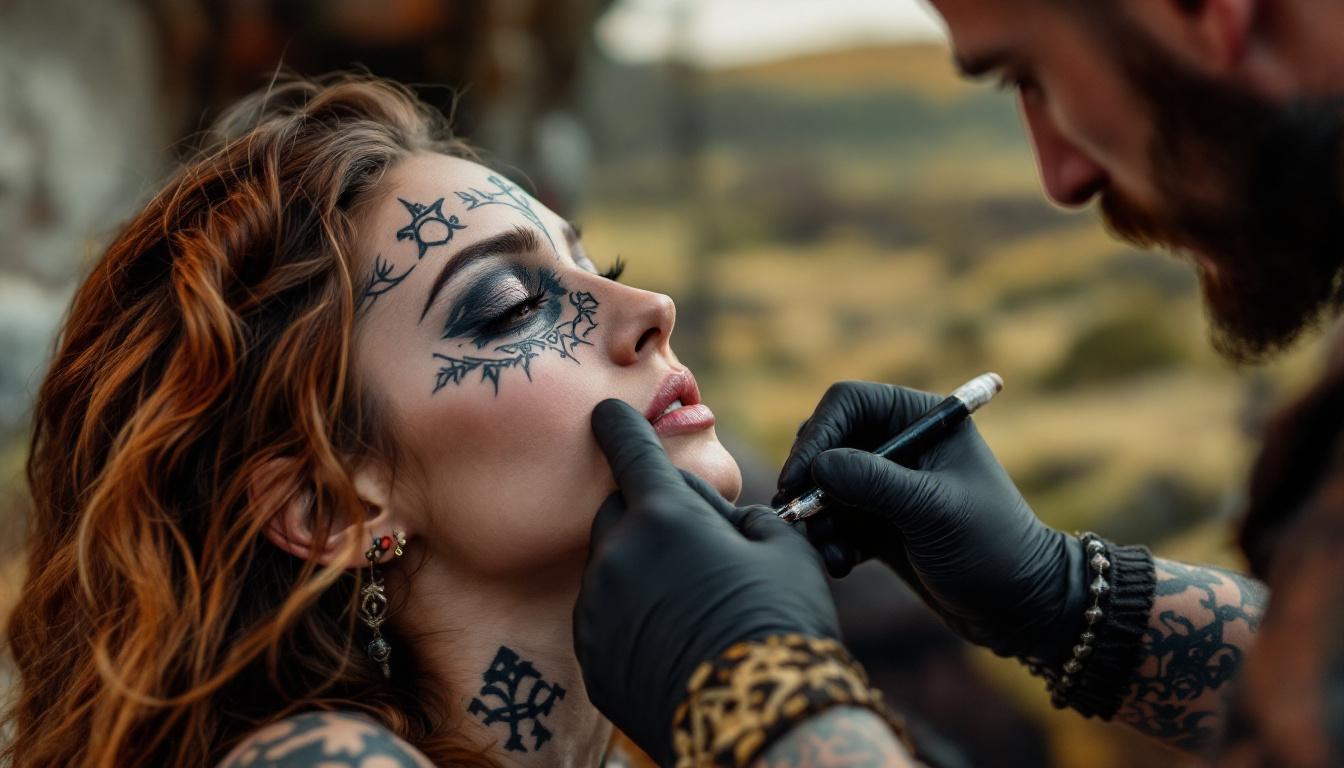
Stepping into the labyrinth of ancient body art is like uncovering hidden chapters of history; there’s an undeniable allure in every inked symbol that connects us to ages past. The way body art served as a record of personal stories, societal status, or even rites of passage in ancient cultures is as intriguing as it is mysterious. Recent findings, like those from ZipDo Education Reports 2025, show that art on skin isn’t confined to the modern era. With nearly 30% of Americans sporting at least one tattoo, our fascination with body art spans both time and geography. This article will traverse the stories, symbols, and secrets held by Pictish body art and its ancient counterparts, inviting readers to dive deep into a world where every mark tells a tale.
The journey ahead unpacks historical roots, the vibrant symbolism behind tattoo markings, and even the unexpected ways these designs provide insights into past societies. With the help of groundbreaking research – from laser technology revealing ancient melodies of ink on Peruvian mummies to expert opinions linking tattoos to personal narratives – the narrative becomes multidimensional. This exploration is more than dusty history books; it’s a lively conversation merging passion, art, and science.
Keep an eye on the stories behind every groove, swirl, or abstract design etched into the skin of our ancestors. As threads of thought weave through historical facts and current studies, the discussion reflects much more than art-it’s a chronicle of identity, culture, and rebellion. Buckle up for a ride through time that challenges conventional wisdom and deciphers the power behind every ancient line drawn on flesh.
The Echoes of Ancient Ink
Across many ancient cultures, tattooing was far more than just a style statement-it was an act of identity, a badge of belonging, or even a mark of trial and tribulation. In many traditions, tattoos represented a rite of passage. They carried spiritual weight, demarcated leadership, or honored one's lineage. This deep connection to body art shows that our ancestors were as intensely connected to their own creative expressions as modern folk are today.
An exciting breakthrough came when researchers used advanced laser technology to unveil intricate designs on Peruvian mummies (Phys.org). These revelations open a fresh window into how our ancestors communicated power, status, and sacred narratives through their tattoos. The details captured by lasers highlight patterns and symbols that were undetectable by the naked eye, suggesting that the original tattoos carried layers of meanings waiting to be deciphered by future generations.
Excavations and studies in different parts of the world, from Egypt to the heartlands of Europe, have presented a tapestry of symbolic references. In many cultures, for instance, tattoo marks were reserved for warriors or those who had delved into spiritual journeys, reflecting distinctions that remain relevant today. These symbols, often handed down in oral traditions, continue to provoke discussion among historians and enthusiasts or even casual observers who witness a landscape populated with modern tattoos.
The Intersection of Art, Identity, and Society
Reviving the Past through Modern Ink
The tattoo culture today isn’t just about looking edgy or trendy. It’s steeped in personal meaning, echoing the wisdom of our forebears. Historical context shows that in ancient societies, body art wasn’t a fleeting moment; every mark was deliberate and symbolic. This connection between the ancient and modern is highlighted by studies connecting tattoos to personal and societal expression. Scholars like Anne Austin of the University of Missouri–St. Louis have noted how tattoos can reveal "details about societies that aren’t found elsewhere" (National Geographic).
The modern interpretation of tattooing has taken many forms. Some wear their past on their skin, literally, while others use ink as a medium to express contemporary ideologies, challenges, or even poetic memories. In a fascinating twist, the process of tattooing itself can be seen as therapeutic. Experts like Sharma have argued that tattoos provide a deeply personal and sometimes healing experience (Scimatic).
As art forms evolve, so do the meanings, and modern tattoo culture isn’t exempt from this influence. Much like ancient practices, today's tattoos often serve as markers of significant life events, personal transformation, or as a tribute to lost loves. The layers of meaning embedded in modern tattoos resonate with the idea that body art is a living, breathing narrative that reflects our past, present, and even hints at future cultural shifts.
Tattoos and Their Societal Footprints
Marking Identity Across Ages
Historical records and archaeological discoveries have consistently demonstrated that body art functioned as a potent symbol of identity. Various cultures across the ages used tattoos to signify everything from social hierarchy to rites of passage. In ancient times, these marks were far more than decorative; they often served as the only tangible record of an individual’s journey or sacrifice. This overlap of art and identity is as prevalent today as it was among the Picts, who celebrated their distinctive marks as badges of honor.
Modern research sheds light on how these ancient practices have evolved. For instance, in the realm of public health and behavior, studies have observed that tattooing correlates with certain risk behaviors, including smoking and an increased count of lifetime sexual partners (Annals of Epidemiology). While the interpretation of these findings needs careful thought, it also acts as a reminder that body art has long been interwoven with broader social dynamics.
Historically, the symbolism behind tattoos wasn't confined merely to personal expression; it also carried significant communal weight. Belonging to a tribe or group meant wearing your allegiance on your skin, a literal mark of solidarity and identity. Even among ancient civilizations, patterns and motifs often recurred, a silent language understood only by those within the culture. This unspoken language of ink connects today’s tattoo enthusiasts to their ancient predecessors, underscoring the timeless human desire to be seen, understood, and remembered.
Modern Magic: The Tattoo Industry Today
From Billion-Dollar Markets to Deep Personal Journeys
The tattoo industry today has grown into an impressive economic force, valued at about $1.7 billion in 2021 (WifiTalents Tattoo Industry Statistics). While such figures might suggest that tattoos are merely a commercial enterprise, the reality is that each piece of art tells a personal story that transcends monetary value. This blend of art, commerce, and identity makes for a compelling study, reflecting both ancient traditions and modern consumer culture.
A closer look at the numbers also reveals a fascinating dichotomy. Despite their popularity, around 36% of tattooed adults admit to regretting their decision at some point in life (WifiTalents Tattoo Industry Statistics). This statistic doesn't diminish the cultural importance of tattoos; rather, it highlights the complexities involved in personal identity and the lifelong narratives that accompany body modifications. Choices made in youthful exuberance or under the influence of a powerful life moment can sometimes cast long shadows, yet they remain part of one’s unique life story.
The modern tattoo landscape is characterized by an intriguing balance. On one hand, there is undeniable economic growth and technological innovation pushing the boundaries of tattoo artistry. On the other, there are the personal, sometimes lightly regretted, choices that speak to a deeper human need to reinvent oneself. Whether for aesthetics, identity, or ritualistic reasons, tattoos persist as a modern echo of ancient practices, bridging centuries with experiences wrapped in ink.
Deciphering the Cultural and Psychological Tapestry
Body Art as a Mirror of Society
Tattoos are not just visual embellishments; they're a window into the psyche of both individuals and entire societies. Across cultures, these permanent marks have historically embodied resilience, rebellion, and deeply personal narratives. Ancient peoples often used tattoos to cope with loss, celebrate victories, or even as a form of protest against prevailing societal norms. Today, this enduring symbolism provides a fascinating parallel: modern tattoos capture moments of transformation, pain, and celebration alike.
Intriguing research has shown that individuals who adopt tattoos might also exhibit certain risk-taking behaviors. For instance, studies have noted a correlation between tattoo recipients and lower adherence to flu and COVID-19 vaccine recommendations (PMC). While these associations might raise eyebrows, they also command a broader conversation about personal freedom, societal judgment, and the multifaceted nature of identity. It is a reminder that tattoos are not simply artistic choices but are often symbolic representations of broader philosophies and life experiences.
At the heart of it all lies a captivating paradox: the permanence of a tattoo versus the fluidity of personal growth. Where an ancient warrior's mark might have signified bravery, a modern tattoo can symbolize change, catharsis, or even rebellion against conformity. The medium has evolved, but the message remains potent-a testament to the human spirit’s perpetual quest for self-expression and understanding. The richness of these discussions is what keeps the debate alive, as each tattoo carries a history that is uniquely its own, yet part of a larger, timeless narrative.
Tracing the Journey from Ancient Symbols to Modern Statements
As the journey of body art meanders from dusty archaeological sites to buzzing tattoo studios, a continuity emerges. The designs etched on ancient skin-even those uncovered by lasers on Peruvian mummies-are not relics of the past; they are active portals into cultural memory. This dialogue between then and now is as engaging as it is unexpected. Whether it’s a vivid tribal pattern or a subtle modern motif, tattoos continue to serve as markers of personal history, spiritual beliefs, and societal norms.
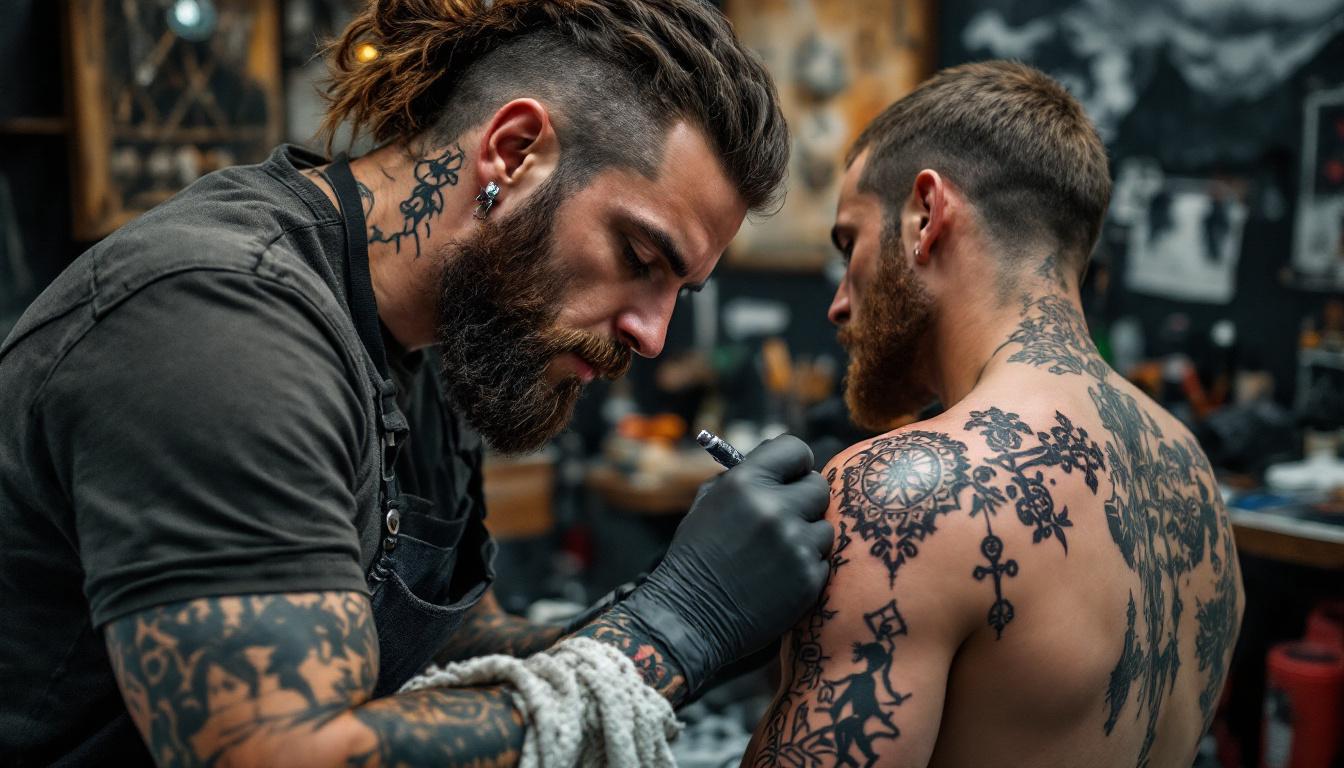
The evolution of tattoo art is a story told in both pigment and sentiment. Early markings were often laden with spiritual significance, meant to confer protection, bestow honor, or even channel otherworldly forces. Today, while the reasons might have shifted, the underlying impulse remains the same: the desire to express complex inner narratives on a canvas that is as unique as the individual. The threads of enduring symbolism tie the ancient to the contemporary, creating a rich tapestry of cultural expression-a tapestry that lives and evolves with each new story carved in ink.
Considering the historical context, modern enthusiasts can appreciate that every design carries layers of meaning. From the meticulously mapped rituals of ancient tattooing to the sheer diversity of modern techniques and styles, the art form continues to challenge our understanding of identity itself. The tattoos from bygone eras were more than just ink on skin; they were the embodiment of cultural narratives, familial legacies, and the human condition. Today’s tattoos echo that same complexity, inviting wearers and onlookers alike to ponder the intermingling of art, heritage, and personal expression.
Living Legacies: The Future of Body Art
Looking forward, body art is poised for even more innovative intersections between tradition and technology. Contemporary ink artists are increasingly drawing inspiration from ancient motifs and symbols to craft pieces that defy convention and spark conversation. This renewed interest in culturally rich designs promises to blur the lines between historical homage and modern innovation. Just as ancient societies revered tattoos as a form of communication, the new generation finds solace, pride, and even healing in these inked masterpieces.
However, the journey is not without its complexities. Every tattoo, regardless of its origins, carries with it a narrative that may evolve with time. Modern research and anecdotal experiences indicate that while tattoos can be profoundly therapeutic-acting as markers of personal growth or battle scars of lived experiences-they can also lead to moments of regret or reconsideration later on. These emotional responses remind us that the art of tattooing is both an homage to history and a reflection of an ever-changing self.
The future of body art is more intertwined with personal empowerment and creative storytelling than ever before. As technology pushes the boundaries of what is artistically possible, the age-old tradition of tattooing will likely continue to adapt, inviting deeper dialogues about identity and belonging. Each new trend, innovation, or revival of ancient techniques adds to the rich narrative that tattoos embody-a narrative that inspires both introspection and celebration.
The Everlasting Bond Between Ink and Identity
The story of tattoos is as old as human civilization, seamlessly linking the narratives of long-gone societies with the complexities of present-day expressions. From the bold, ceremonial tattoos of ancient tribes to the personal, sometimes impulsive pieces on modern skin, body art remains a potent symbol of human experience. These marks are not static; they are living legacies that morph with every new cultural shift, technological advancement, and personal triumph or setback.
The tattoos that have withstood the test of time serve as a tangible link between the past and the present. Every swirl of ink tells a story, conjuring images of ancient rites and personal rebellions, of epic battles and quiet inner struggles. They remind us that while trends come and go, the core human drive for self-expression is eternal. Each design, whether cherished from youth or conceived in the heat of the moment later in life, stands as a testament to the enduring power of visual storytelling.
Modern trends may continue to evolve, but the lessons of ancient tattoos endure. As both an art form and a cultural archive, tattoos invite every generation to partake in a conversation that transcends time-a conversation that is as much about personal evolution as it is about artistic expression. Indeed, with every fresh design inked on the skin, a dialogue between old and new, tradition and innovation, silence and expression, continues to unfold.
Conclusion: Inked Histories, Unspoken Futures
The legacy of tattoos invites us to explore not just the art itself but the intricate tapestry of human identity that it represents. The robust traditions of ancient body art provide both a mirror and a map for modern society-a reminder that each drawn line is loaded with stories of survival, triumph, and the human spirit’s ceaseless quest for meaning. Whether uncovering the detailed imagery on Peruvian mummies with cutting-edge lasers or examining how modern tattoos reflect personal healing, the dialogue is both profound and enduring.
This journey through the mysteries of Pictish body art illustrates that our fascination with inked skin is rooted in a history that is as dynamic as it is deep. The interplay between art, identity, and cultural heritage continues to spark discussions and inspire innovations, bridging generations through a shared love of creative expression. As modern tattoo trends meld with ancient symbols, the art form evolves into a timeless narrative that remains relevant in every era.
Embracing the ink on our skin means accepting a connection to our shared past and an acknowledgment of the evolving identity within. With every piece of art etched on the body-a tattoo that’s both celebrated and sometimes regretted-we carry forward a legacy that is unbound by time. Like the ancient marks that still speak to us today, modern tattoos carry whispers of our history and hints of what the future might hold. This enduring connection between past and present continues to inspire both innovation and introspection, reminding us to appreciate the rich, intricate stories written in ink.
Take Your Tattoo Studio into the Future with Apprentice
As you reflect on the ancient art of Pictish tattoos and the timeless stories they tell, consider how you can weave this heritage into the fabric of your modern tattoo studio. Apprentice is here to help you honor the past while embracing the future of tattooing. Our innovative platform is designed to enhance the way you manage your studio, from streamlining appointments to fostering artistic collaboration. Embrace the evolution of tattooing and start your free trial with Apprentice today, where tradition meets technology.