

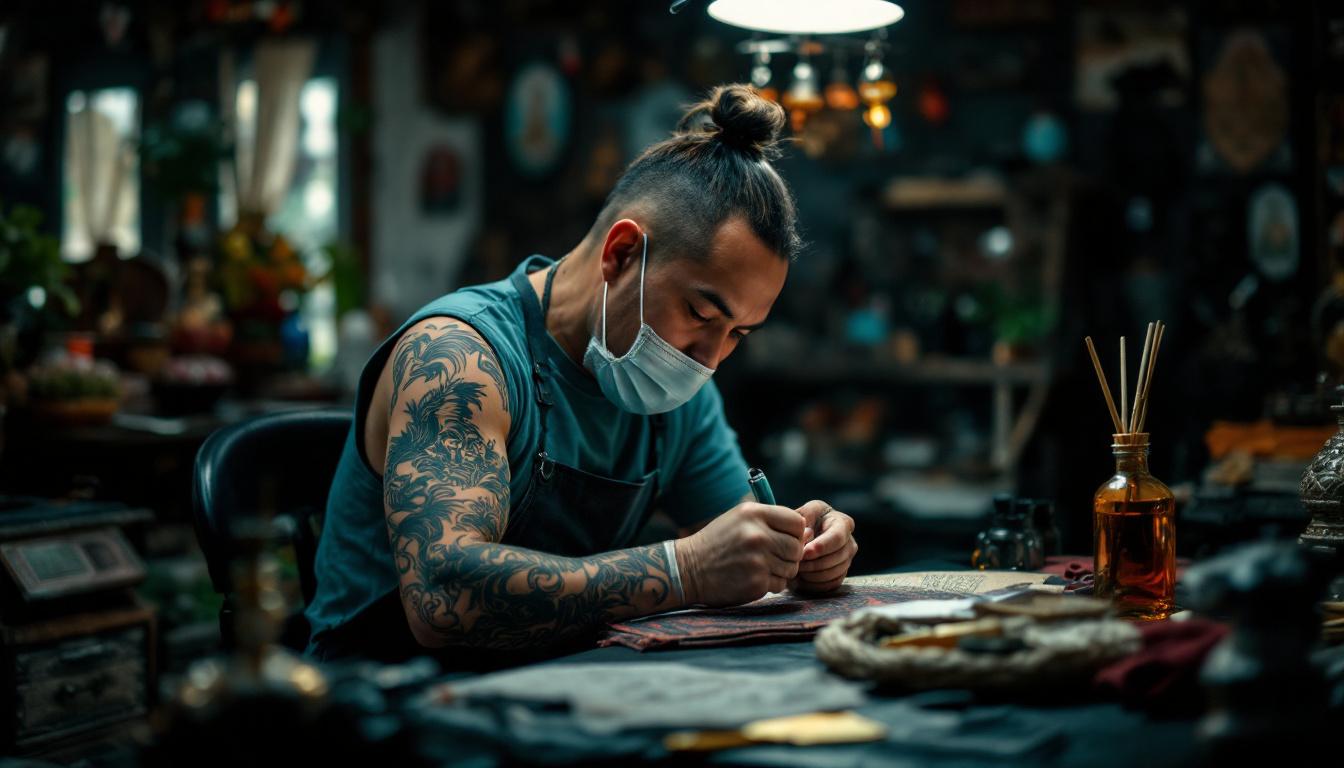
The bustling streets of Thailand hold many secrets, but few are as mesmerizing as the sacred Sak Yant tattoos. Far from being just skin art, these ancient designs are steeped in lore, mysticism, and a serious dose of street cred. Whether you're a curious traveler or a true believer in protective charms, the journey into Sak Yant is packed with surprises and a fair share of gritty history. For a quick rundown on modern trends and pricing, check out insights from the Bangkok Post.
This isn’t your run-of-the-mill tattoo story-it’s a saga connecting the ancient spiritual practices of Southeast Asia to the modern world of pop culture. The winding path these tattoos have taken is as intricate as the designs themselves, blending myth, tradition, and a touch of celebrity sparkle.
The Roots and Rituals Behind Sak Yant
Sak Yant tattoos trace their beginnings back centuries, deeply embedded in Thai, Cambodian, and even parts of Laos history. These tattoos are much more than decorative line work; they're a powerful blend of spirituality and ancient knowledge. The designs often incorporate sacred geometrical patterns, Pali or Khmer scripts, and symbols believed to endow the bearer with blessings and protection.
At the heart of this tradition are the ajarns (masters). These wise and often revered figures pass on secrets of mantra and ritualistic incantations that go far beyond the skill of using a needle. As noted by many, including respected figures in the community, these masters understand that simply replicating the design is not enough. The art comes from a deep-rooted spiritual connection that involves both the practitioner and the recipient. For more on these mystical rituals, read additional insights from the Yantra Tattooing article.
These tattoos have been a reflection of the Thai way of life, encapsulating beliefs in karma, protection from malevolent forces, and even good fortune. Every line inked into the skin is a channel for divine strength that offers a safeguard against the unpredictable nature of life.
A Journey Through Time: Tradition Meets Modernity
History is a tricky thing-a mix of legend, ritual, and the stark reality of cultural commodification. While the sacred practice of Sak Yant has maintained its spiritual allure, it has also attracted the curiosity of outsiders, leading to unexpected twists. Modern celebrities have dipped their toes in this ancient art, pulling it into the limelight and in the process, creating a new chapter in its storied existence.
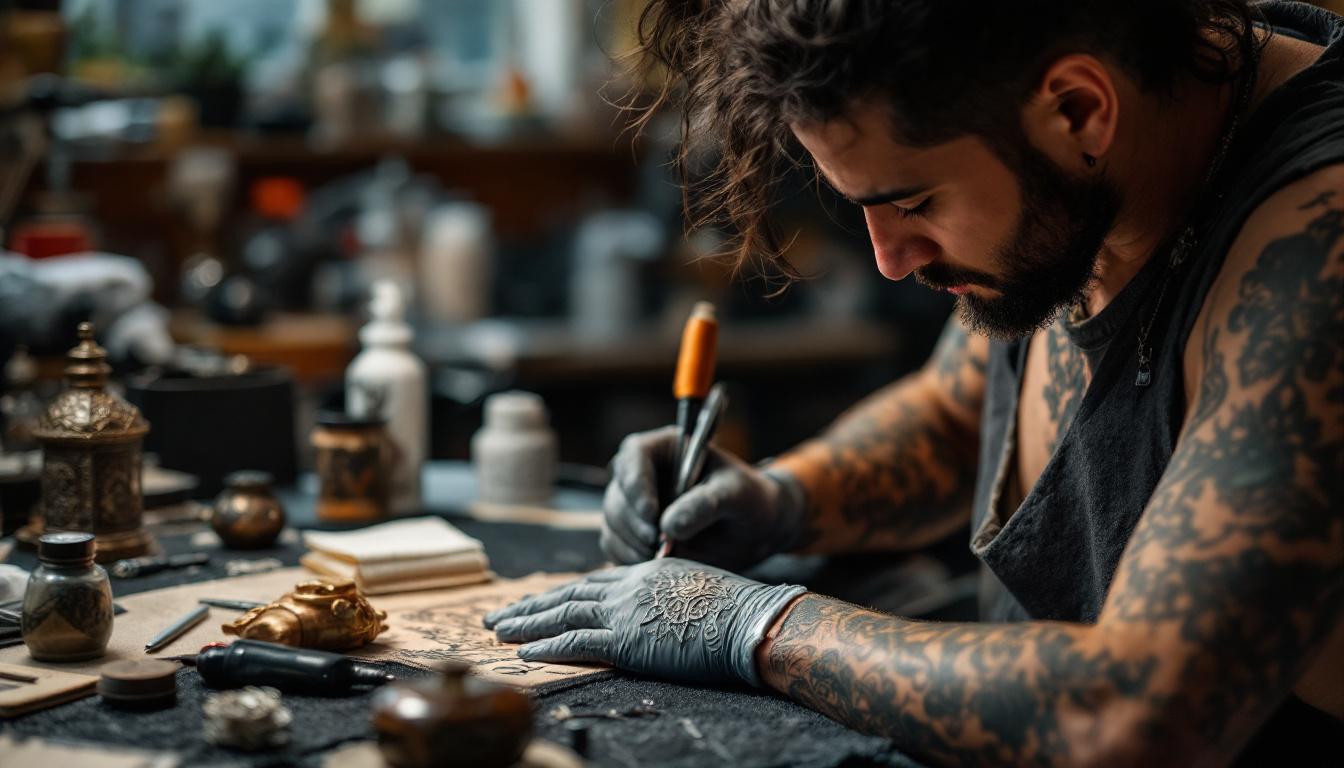
One monumental turning point was back in 2003 when actress Angelina Jolie got a five-row Sak Yant tattoo from the renowned master Ajarn Noo Kanpai. This move, highlighted by major media outlets such as the Los Angeles Times, sparked a surge of global interest. Suddenly, what was once a deeply personal and culturally-rooted practice was thrust into international pop culture.
The impact was electric. For the first time, a group that was once mostly accessible to devout practitioners in remote temples became a hot commodity in urban areas and trendy hotspots around the globe.
The Pricetag of Spirituality
Stepping into a Sak Yant studio today isn’t just about the artistry-it's also about the price tag that comes along with it. Prices can be as modest as a few hundred baht or skyrocket to over a hundred thousand baht, depending largely on factors like the intricacy of the design and the popularity of the ajarn. This kind of pricing flexibility is a clear indicator of the tattoo’s cultural value and the reverence associated with its spiritual protection. Detailed perspectives on these varying rates can be found in the Bangkok Post article.
The steep costs at the higher end of the spectrum serve as a testimony to the profound cultural significance and the meticulous expertise required to infuse a tattoo with both meaning and power. It’s not just about the ink and needle; it’s about inviting an ancient force into your life-a force that promises both blessing and a shield of protection, as believers proudly claim.
While on the surface, the monetary figures might seem purely commercial, they carry an undercurrent of respect for centuries-old craftsmanship and spirituality. In urban hubs with a growing appetite for exotic and meaningful artwork, these tattoos sit at the intersection of myth and modern consumerism.
The Deep Spiritual Connection and Healing Power
There’s a distinctive flavor to Sak Yant that sets it apart from your average tattoo. This art form is steeped in religious symbolism, meant to channel protective energies and invoke blessings. Every design is often accompanied by mantras, carefully chanted by those who have mastered the ancient ceremonies connected to the tattoo process. The murmurs and invocations blend with the buzz of the tattoo machine, creating an atmosphere where the spiritual meets the corporeal.
Champions of the practice say these tattoos aren’t just fast food skin art. They offer a kind of spiritual nourishment-a guide through life’s bumps and bruises with hands that are seemingly touched by divine protection. There’s also an element of ritual healing attached to the process that aims to cleanse negativity and invite positive energies in. Revelations like these can also be explored further on the Yantra Tattooing Wikipedia page, which details the rich symbology behind each pattern.
Many see Sak Yant as a living testament to the enduring nature of faith and tradition. It is more than a mere adornment-it’s a mantle of spiritual responsibility and a badge of honor. If you decide to get inked, it’s as though you’re not just buying art, but signing up for a legacy of wisdom and protection.
Modern Influences and the Global Stage
From the narrow alleyways of Bangkok to Instagram feeds across the globe, Sak Yant has morphed from an esoteric practice into a global phenomenon. The infusion of pop culture into this age-old tradition has made it something truly magnetic. The infusion of modern interpretations, backed by the credence of celebrity endorsements, has led many to explore beyond the traditional confines of the temple and into modern tattoo parlors.
This influx of global attention has not come without consequences. Some argue that the sanctity of the ritual is compromised when removed from its native context. At the same time, others believe that expanding the reach of Sak Yant can help preserve the tradition by keeping it alive in the hearts of new generations. The debate is far from over, yet it reflects the growing clash and blend of ancient tradition with modern commercialization.
Part of the allure in this global stage is the mix of high art and street style-a cocktail of tradition, modernity, and a bit of that edgy Philly spirit. There’s a genuine respect for the pieces, and while some skeptics might see it as mere trend hijacking, each tattoo still carries a story that honors the past. The impact of figures like Angelina Jolie has played a critical role in this shift, turning Sak Yant into a symbol recognized far beyond Thailand’s borders.
Artistry and the Role of Ajarns
Behind every Sak Yant tattoo is a master who transcends the simple act of tattooing into an art form that borders on the ritualistic. These ajarns are the keepers of ancient techniques, secrets, and blessings. Their work isn’t merely about the visible outcome-it’s about a deep, almost sacred transaction between the master and the recipient. As Ajarn Noo Kanpai once said, "Many people can perform the tattoos but they don't know the mantras required for the blessings and protection." This statement encapsulates the essence of what makes Sak Yant so special.
In urban centers where tattoos are a popular means of self-expression, there is a growing appreciation for what differentiates Sak Yant from generic body art. It demands reverence, a respect that transcends aesthetics. Each stroke of the needle is laden with centuries of tradition, a kind of artistic invocation that is rare in today's fast-paced, disposable culture.
The passion and precision of the ajarns ensure that every piece isn’t just a tattoo but a manifestation of a spiritual pact. This commitment to authenticity and tradition is what gives Sak Yant its edge over other forms of body art that may not carry the same depth of meaning. Learn more about how this unique art form has influenced cultures worldwide by diving into stories featured on well-known media like the Bangkok Post.
Cultural Reverence and The Cost of Authenticity
The commercial aspect of Sak Yant has sparked heated debates. On one hand, there is a genuine passion among practitioners to share their heritage and teachings with a broader audience. On the other, many purists worry about the dilution of its sacred value when it's reduced to a mere fashion statement. The varying price tags attached to these tattoos reflect this very tension-ranging from modest sums for those seeking an authentic experience to a premium for designs that come with blessings and deep spiritual bonds.
It’s a fine balance between staying true to ancient customs and adapting to a world where trends move as fast as the blink of an eye. In some urban circles, the high cost is even seen as a badge of honor-proof that the tattoo carries with it centuries of sanctified tradition. Such layers of meaning add another dimension to the debate, inviting both admiration and skepticism.
The discourse doesn’t end with the price, but rather, it extends to questions of originality, cultural appropriation, and the ethics of commercializing a practice that many believe should remain sacred. While some enthusiasts embrace the accessibility provided by modern tattoo parlors, others prefer the untouched sanctity of traditional temple settings, ensuring that the art remains as untainted as its origins. Detailed perspectives on these varying price points can be examined in articles like the one on Bangkok Post.
Behind the Ink: Stories and Legends
Every Sak Yant tattoo carries its own legend, whispered across generations. These stories aren’t just bedtime tales-they’re intricate narratives that interweave historical events, mythical creatures, and divine interventions. It’s common for a Sak Yant design to serve as both a talisman and a storyteller, with each symbol representing a unique myth. These powerful visual narratives give people a tangible connection to forces believed to be larger than themselves.
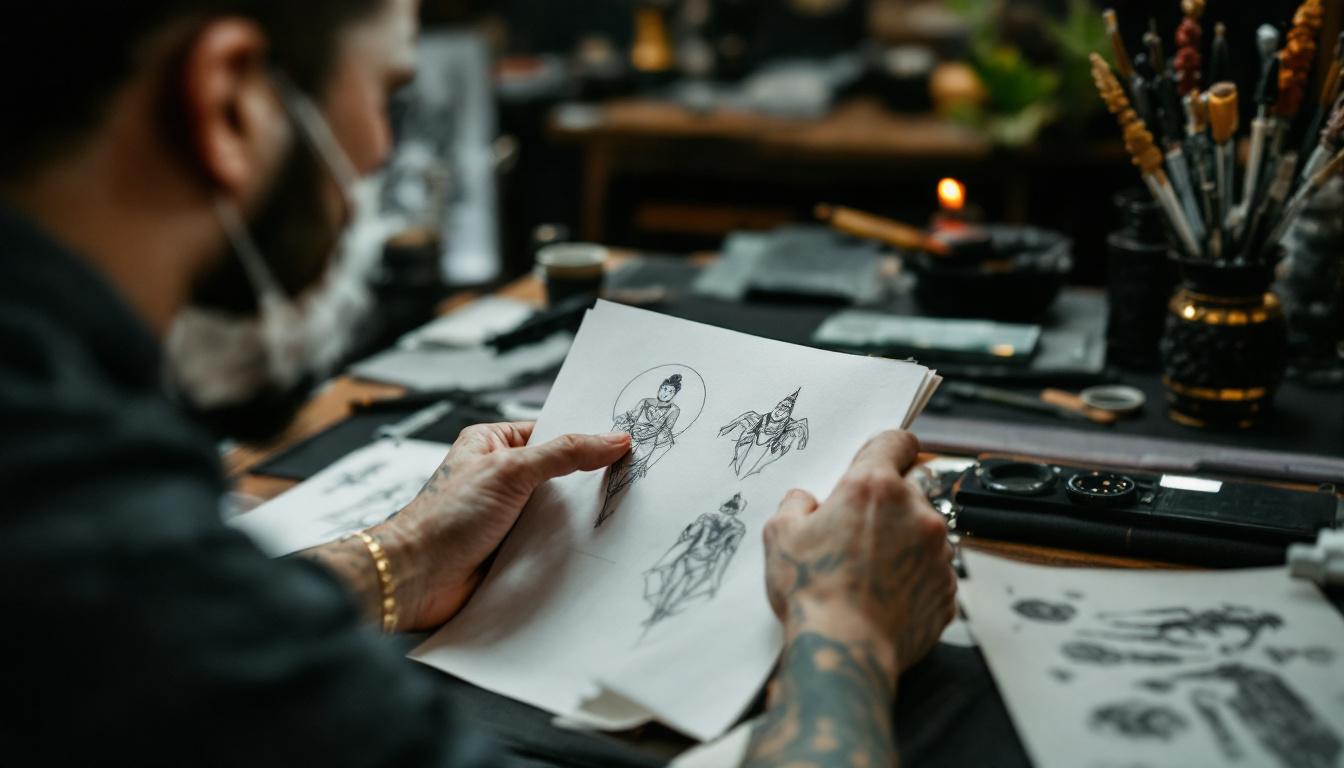
For many, the decision to get a Sak Yant isn’t made lightly. It’s an acknowledgment of the mysterious forces that shape life’s journey. Whether it’s protection in hard times or an emblem of spiritual strength, every tattoo is more than just a piece of art-it’s a living story etched in ink. The debate between maintaining its sacred roots versus its transformed status in the modern market illustrates the ever-evolving narrative of tradition clashing with contemporary dynamics.
This duality makes Sak Yant one of the most talked-about tattoo forms worldwide, intricately balancing between reverence and modernity. Such tales, merging personal journey with the grand tapestry of ancient lore, are what elevate Sak Yant from simple body decoration to an enduring emblem of heritage and hope.
Embracing Tradition in a Modern World
In a city where the old meets the new on every corner, Sak Yant serves as a visual reminder that traditions can thrive even under the weight of modern sensibilities. The push and pull between maintaining sacred practices and evolving with contemporary trends reveal the resilience of cultural identity. It’s not uncommon to see a blend of modern tattoo aesthetics with the old-school charm of Sak Yant, a juxtaposition that adds a stroke of uniqueness to the art form.
The growing interest among younger generations in this ancient practice hints at a revived appreciation for heritage. While the digital age often pulls people away from folklore and hands-on traditions, Sak Yant somehow manages to attract those who are eager to explore something deeper. The tattoos have become a bridge between cultures, melding the African-American street wisdom of Philly with the centuries-old spiritual insights of Southeast Asia. This mix creates a bold statement-a tattoo that not only looks badass but also carries a legacy of mysticism and protection.
By preserving the authentic rituals and teachings, modern practitioners are ensuring that Sak Yant remains more than just a passing trend. As the conversations around cultural appropriation and respect continue to swirl, many advocates for the tradition emphasize that true mastery lies in understanding and preserving its roots. Such dedication ensures that the art remains a robust symbol of identity and personal power amidst the whirlwind of modern trends.
The Future of Sak Yant: A Conversation Between Eras
The tale of Sak Yant is far from over. Even as global trends push the envelope, there remains a steadfast commitment among practitioners and devotees to honor its origins. As the world evolves, so does the dialogue surrounding this ancient practice-blending authenticity with innovation has become the conversation of the hour.
While the global craze brings in new interpretations and fresh eyes, there's little doubt that the true essence of Sak Yant can only be captured by those who have dedicated their lives to its mastery. With every new client and every fresh design, the legacy of ancient spirituality is carefully inked onto modern skin, offering protection, wisdom, and a bit of that wild, unyielding energy.
This evolving landscape invites everyone-whether a steadfast believer or a curious newcomer-to participate in a dialogue that spans centuries. The silent stories behind every line, every chord of ink, remind us that tradition, no matter how modernized, always keeps its roots. The last vestige of modern influence echoes in public debates and personal testimonies, but the spirit of Sak Yant remains untamed and eternal. For those excited about the journey ahead, exploring this rich tapestry of tradition and change is nothing short of a calling. Even as trends change and the world spins on, Sak Yant stands as a powerful testament to the enduring bond between art and soul.
Conclusion: Inked with History and Spirit
The story of Sak Yant tattoos is as intricate and compelling as the designs themselves. Blending ancient traditions with modern flair, these tattoos are more than a fashion statement-they are living emblems of protection, spirituality, and cultural heritage. Each carefully inked line serves as a reminder of a time when art was not just for aesthetics, but a sacred practice capable of harnessing divine protection and wisdom.
This culture, meshed between the sacred and the commercial, continues to inspire debates, admiration, and a deep respect for the past. It’s a reminder that while modern society may drive trends at a breakneck pace, some traditions-etched deeply in the canvas of our lives-will always hold their power. The ink may fade, but the spirit remains indelible.
For anyone caught up in the allure of these mystical tattoos, a careful glance at both the ancient rituals and the modern influences can provide a deeper appreciation for what seems on the surface merely as body art. In every carefully crafted design lies a piece of the soul of its creator, a hint of tradition, and a promise of protection that transcends time. As the conversation continues to evolve, Sak Yant stands as a bold intersection of history, art, and an unyielding spirit that bridges eras and cultures alike. Check out more about its modern impact in discussions featured by Los Angeles Times and revisit its deep historical roots every time you see one of these remarkable tattoos.
Embrace the Future of Tattoo Artistry with Apprentice
As you delve into the rich tapestry of Sak Yant tattoos, consider how the ancient can meet the modern in your tattoo studio. Apprentice is at the forefront of this fusion, offering tools that honor the artistry of the past while propelling your business into the future. Streamline your studio's operations and give your clients an experience that marries tradition with cutting-edge technology. Ready to transform your studio's potential? Start your free trial with Apprentice today and be part of the new era of tattooing excellence.