

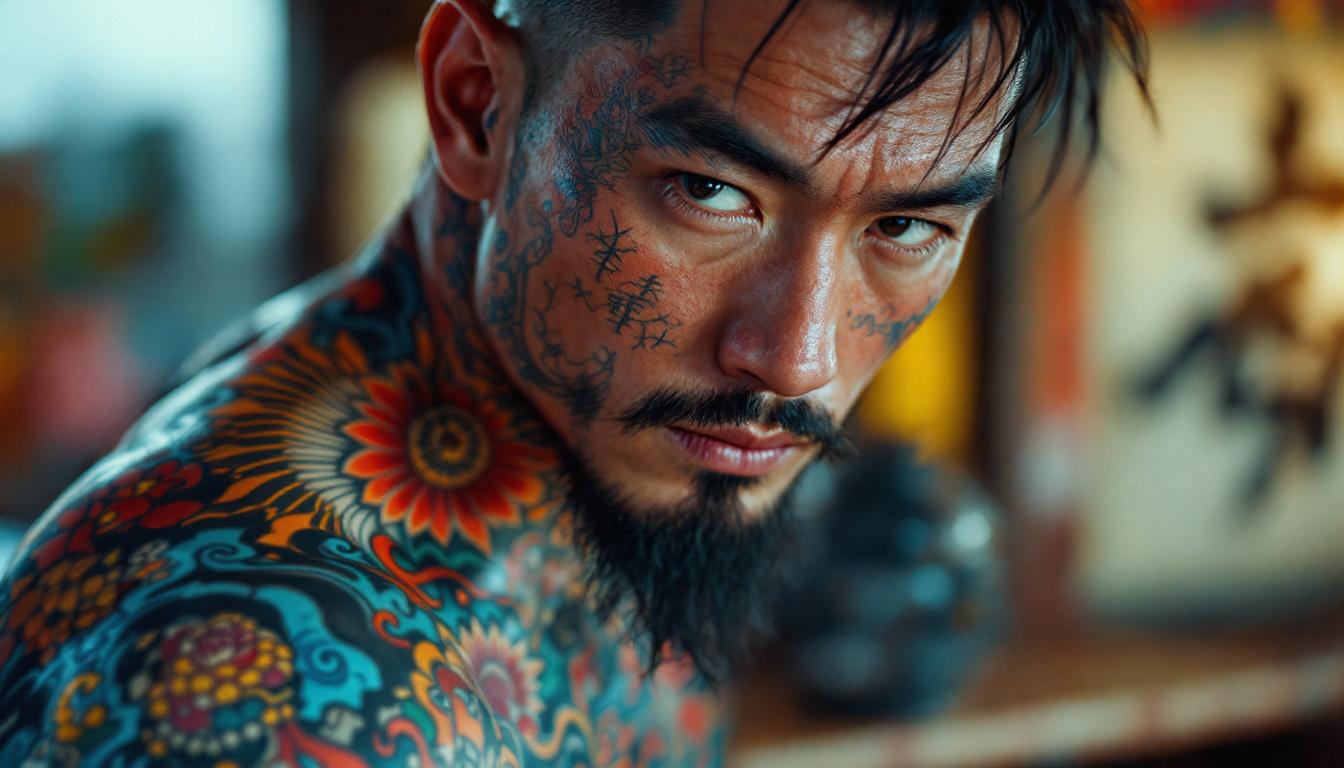
The back alleys of Tokyo and the neon glow of Osaka hide a world where ink speaks louder than words. In one glance, a full-body suit tattoo can tell you stories of honor, grit, and centuries-old traditions. It’s not just art-it’s a declaration of belonging, a badge showing that the wearer has faced down pain and hardship in the name of an underground code.
Take a look at Japan’s biggest Yakuza gang, the Yamaguchi-gumi. Back in the day, their numbers swelled to about 22,000 members; now, as of 2021, around 8,000 hardcore individuals still carry their legacy in ink. Butterfly Tattoo Co. breaks down that transformation, showing us that the art and the organization itself have evolved, yet the symbolism remains as potent as ever.
Historical Roots and the Evolution of Tattooing in Japan
The tradition of marking one’s body in Japan goes way back to the Edo period. Back then, tattoos were a tool of the state, used to brand outlaws and criminals. That grim practice slowly twisted into a unique form of rebellion and expression for groups on the fringes. The Yakuza adopted tattoos as a way to carve out an identity that was distinct and defiant, setting the stage for full-body suits that tell wild, intricate stories.
This transformation wasn’t accidental. Over decades, the artistry of these tattoos morphed to cover large portions of the body, incorporating motifs that symbolized strength, perseverance, and courage-challenging the very idea of honor in a society where conformity was the norm. A study by Lund University researcher Andreas Johansson digs deep into this cultural evolution, providing a glimpse into the psychodynamics of the inked narrative. Johansson’s research offers a special kind of insight for anyone trying to get a grip on why these tattoos mean more than just skin deep.
Even today, long after the inked tradition is intertwined with criminal notoriety, its origins in marking and rebellion remain an essential layer of its meaning. Across Japan, what was once a mark of disgrace has turned into a symbol of defiance, serving as a counterculture icon against mainstream ideals.
A Closer Look at the Tattoo Motifs
Yakuza tattoos are like an open diary that doesn’t hide its chapters. Each design tells a different story: dragons for power, koi fish for determination, and tigers for raw, unfiltered bravery. These motifs aren’t just pretty pictures to stare at; they pack a punch in cultural symbolism.
Dragons represent not only strength but a nearly mythic connection to the very soul of nature. Koi fish symbolize the tenacity needed to swim upriver against the current of life’s challenges. Tigers, with their fearsome presence, remind onlookers of the danger and decisiveness required in a world that plays by its own set of rules. On top of that, each element carries its own shade of meaning that ties into the larger narrative of honor and loyalty, core tenets of the Yakuza lifestyle.
This layer of meaning transforms the full-body tattoo from a mere aesthetic choice into a manifesto-a living chronicle of the bearer's journey through pain, commitment, and ultimately, a declaration of their identity.
Takings of Ink: The Tebori Technique and Its Symbolism
Ever wonder how these massive pieces of art come to life on skin? Traditional Yakuza tattoos typically use the tebori method-a hand-poking technique that’s as much about perseverance as it is an art form. There’s a raw, unfiltered quality to it that machines simply can’t replicate. Tebori is real, painful work that underscores the level of commitment required to join the ranks of the Yakuza.
This manual approach means that every drop of ink is a testament to the wearer's endurance. Pain isn’t just an obstacle here; it’s a rite of passage, an inseparable part of the transformation process. When someone opts for tebori, they’re saying, “I’m willing to suffer to earn this symbol.” It’s no wonder that full-body tattoos have become so revered among Yakuza members, serving as constant, visual reminders of fraught, personal battles.
Each painful session performed by a skilled tebori artist stitches together not just ink and skin, but a story that’s as layered as it is significant. This depth reflects a bridge between old-world techniques and modern-day expressions of rugged masculinity and honor.
The Social Shifts: From Outlaw Badge to Modern Art Form
In today’s Japan, the face of tattoo culture is evolving. While the Yakuza once carried this heavy symbolism through elaborate, full-body tattoos, times have changed. The move towards a cleaner, more socially acceptable look has led many modern tattoo enthusiasts, including those with Yakuza roots, to opt for more subdued designs that still pay homage to tradition without marking them as outcasts.
This cultural evolution isn’t just an urban legend. The once all-encompassing tattoo suit is gradually giving way to a style that blends traditional elements with a modern twist. Contemporary tattoos can be found in mainstream society, shedding some of the stigmas attached to them. Yet, the inked narrative remains influential, a reminder of where it all began. For instance, detailed industry analyses on these trends highlight that the decline in extravagant Yakuza tattoos is part of a larger shift towards broader tattoo acceptance in Japan. Atchuup’s write-up touches on this nuanced transition.
Even for those outside the traditional circles, these tattoos now carry an air of rebellious charm combined with deep-rooted artistry. The synergy between cultural heritage and contemporary aesthetics brings a fresh perspective to an age-old practice. This means that while the weight of history might not press as heavily today, the undercurrent of meaning continues to ripple across generations.
Yakuza Tattoos and Modern Identity: The Contemporary Relevance
The street-wise, no-nonsense attitude of Philly finds a kindred spirit in those who choose the Yakuza path of self-expression. Nowadays, many Yakuza members are ditching the traditional heavy-duty tattoo look for something that suits modern sensibilities. This shift is reflective of a broader acceptance and integration into society where even underworld figures are reinventing how they present themselves.
The move toward a cleaner, less confrontational aesthetic is not necessarily about abandoning the past; it's about adapting to an ever-changing world. The full-body suit, with its jumble of mythical symbols and heartfelt storytelling, represents a legacy that’s too powerful to let fade away. Instead of losing tradition, modern practitioners are curating it, paring down certain elements while still holding onto a sense of pride and identity.
This bridge between old and new also lays a path for discussions on identity, artistry, and societal acceptance. It explains why the once taboo art is now a celebrated part of a diverse cultural narrative that spans from the underground streets to high art galleries. With increasing exposure to global perspectives, traditional symbols have found new life in the modern era.
Stories Inked in Pain and Honor
There’s a reason why these tattoos have the power to stop a conversation in a crowded room. Each intricate design isn’t just for show; it's a chronicle of rite, resistance, and raw defiance. Jake Adelstein, a journalist who’s spent years covering Japanese organized crime, sums it up neatly by calling full-body tattoos a “badge of honor.” Adelstein’s vivid description hits home, speaking to the heart of what these tattoos signify: they are emblems forged in the fire of consistent, sometimes unforgiving traditions.
Every line and curve is a marker of survival and sacrificial devotion to a lifestyle that stands in stark opposition to conventional norms. The pain endured during a tebori session, for example, becomes a permanent memento-a reminder that the wearer isn’t just a man or woman, but a living testament to the resilience of the soul. In a way, these tattoos are a diary written on flesh, chronicling challenges and victories alike.
This visceral connection to one’s past and personal battles makes the ink nearly sacred. Those who wear it live by a code, one that values loyalty, strength, and an unyielding sense of purpose no matter what the modern world throws their way.
The Downward Trend of Traditional Yakuza Tattoos
While the legends of full-body suits are still talked about around smoky backrooms, the numbers tell a story of change. For instance, the Yamaguchi-gumi saw its membership shrink from a peak of about 22,000 in the 1970s to a lean 8,000 by 2021. Industry sources note that such a decline isn’t just about organizational shifts-it also mirrors the changing tastes among those who once proudly sported the traditional, elaborate tattoo suits.
This decline in the traditional tattoo approach parallels the broader movement in Japanese society where tattoos, once a mark of rebellion, have slowly stepped into the limelight of modern art and mainstream acceptance. People who once viewed the art form with suspicion now see it as a blend of historical tradition and contemporary expression.
Even as more subdued and less expansive designs take root, the essence of the full-body suit lives on. The narrative isn’t erased-it’s archived, reinterpreted, and sometimes stylized in ways that resonate with a global audience. Amid this transition, the full-bodied tattoo remains a potent symbol of an identity crafted through struggle, resilience, and defiance against the tide of modernization.
Tattoos and the Reclamation of Cultural Identity
In a society where conformity is king, the act of marking one’s body with a full suit of tattoos is a rebellious assertion of individuality and heritage. To many, these tattoos broadcast values that are as enduring as they are defiant. They speak about a past where honor had a price and where every mark on the skin told the story of a hard-fought battle for recognition.
The symbolism isn’t just confined within the rugged lines and vibrant imagery. It seeps deeply into the cultural conscience, representing a paradox where the stigmatized becomes celebrated. Traditional Yakuza tattoos stand as a bridge between a shadowed past and the modern reclamation of self-expression. They challenge societal norms and redefine beauty-a bold, unapologetic claim that pride and resilience come in many forms.
This reclamation of cultural identity isn’t restricted to the underbelly of organized crime; it spills into everyday life as well. As tattoo culture garners respect and recognition internationally, what was once hidden away is now showcased on runways, in art galleries, and on the very streets of cities that embrace diversity in expression.
Tattoo Trends and Their Impact on Global Culture
The ripple effect of Japan’s tattoo tradition has traveled far beyond its borders. Today, full-body tattoos, once an exclusive language understood only by the Yakuza and their close allies, have influenced global art forms. The meticulous detailing, sophisticated symbolism, and raw authenticity found in these tattoo suits have motivated artists and enthusiasts around the world to explore similar expressions of identity and resilience.
In many western metropolises, where the spirit of individuality is celebrated, the aesthetics of full-body suit tattoos resonate strongly. They are infused with a kind of rebellious artistry or that “it’s not just ink-this is my story” vibe. Not only do they challenge the conventional ideas of beauty and status, but they also invite a whole new generation to explore and appreciate the layered narratives that come with every design.
As modern trends continue to evolve, the cross-cultural influence is unmistakable. Tattoo sleeves and partial body art now carry traces of the traditional Japanese style, merging old-world bravado with modern innovation. This fusion is a testament to the enduring legacy of the Yakuza’s tattoo legacy-a legacy that inspires, provokes, and even transforms the broader realm of body art.
The Road Ahead: A Future Shaped by Ink and Identity
Looking ahead, it’s clear that the saga of Yakuza full-body tattoos isn’t coming to an end anytime soon. As traditions continue to adapt to modern times, the ink on skin stands as a bridge connecting the storied past with the promises of tomorrow. The aesthetic might change and the methods might improve, but that deep, underlying respect for one’s journey remains unchanged.
What happens is a reinvention rather than a disappearance. In increasingly globalized art markets, the essence of these tattoos is being preserved and repurposed. It creates an odd blend of old-school honor that’s both a nod to history and a step into the modern world. The art of the tebori and the symbols of dragons, koi fish, and tigers-each piece is a chapter of a much larger narrative, one that continues to evolve as society itself changes.
The modern Japanese landscape, and by extension the global perception of tattoo art, remains in flux. Yet, whether through a retelling of painful rites or a stylish nod to an infamous past, the story remains the same: ink is the ultimate storyteller of identity, sacrifice, and undying pride. This is the legacy that cannot be easily erased, even as new ink redraws old lines.
Ink as a Living Testament: Bridging Tradition and Modernity
In the gritty neighborhoods and glimmering urban centers alike, ink has the power to defy categorization. The full-body suit tattoo of the Yakuza has morphed into a cultural emblem that defies the simplistic labels accorded to it in the past. Today, it stands as a living testament to the relentless pursuit of identity amid adversity-a kind of worn-love letter to personal sacrifice and time-honored traditions.
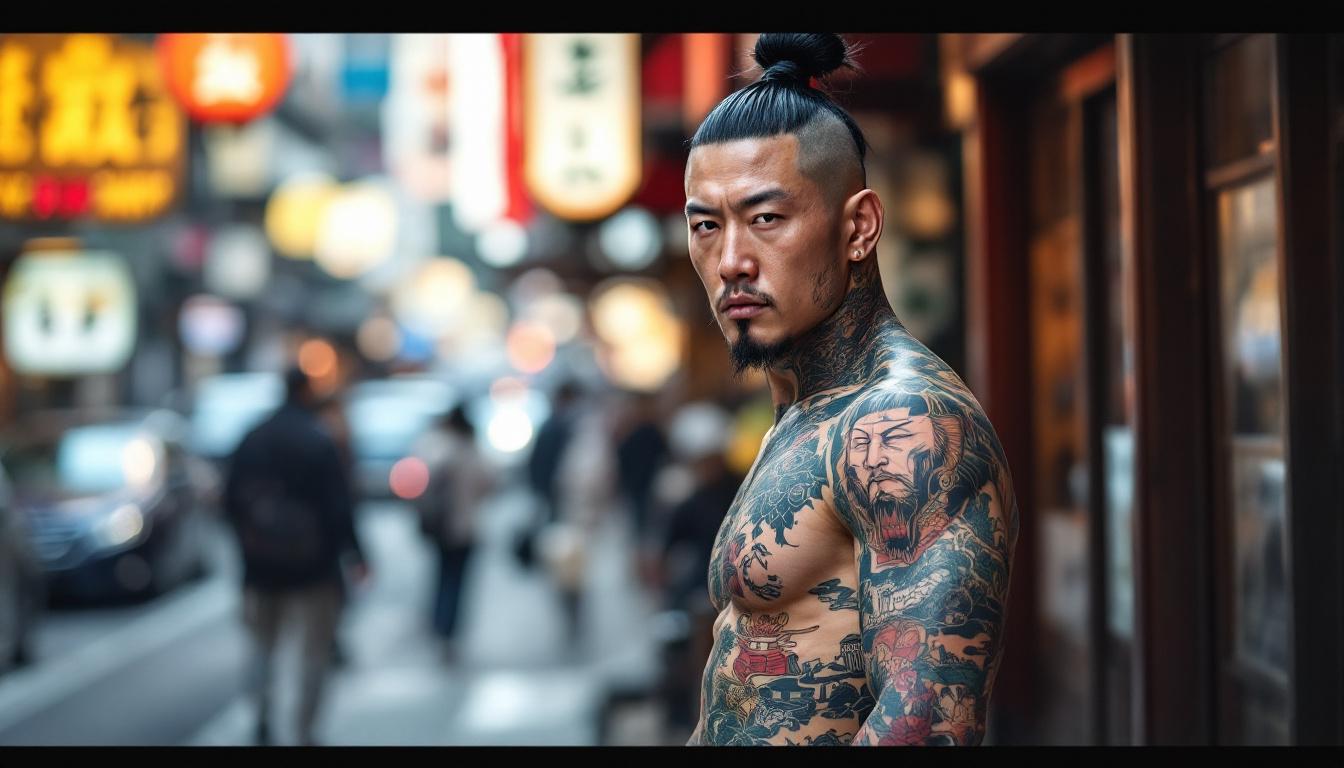
This dynamic evolution signals not just the survival of an art form, but the resilience of a generation that refuses to fade quietly into the background. For many, the full-body tattoo has become a symbol of transformation-a vivid, albeit complex, canvas that melds the rugged past of the Yakuza with the fluidity of modern self-expression.
There’s an undeniable allure in the way these tattoos balance the raw, painful history of their origins with the sophisticated narrative of contemporary design. The result is an art form that remains deeply rooted in cultural identity while constantly pushing the boundaries of what it means to belong, to rebel, and to express oneself. Atchuup captures this beautifully, noting that the ongoing transformation of tattoo traditions mirrors broader changes in societal attitudes.
The Final Mark: A Testament of Time and Transformation
Full-body suit tattoos of the Yakuza are not relics; they’re active symbols of a legacy that’s continued to evolve through decades of change. While the numbers may have dwindled from 22,000 to 8,000 members in the largest syndicate, the deep-seated symbolism of the ink persists. Each tattoo remains a visceral narrative of pain, endurance, and the unwavering dedication to a way of life that defies mainstream expectations. Jake Adelstein’s insights into this world provide a stark reminder of the sacrifices ink has come to represent.
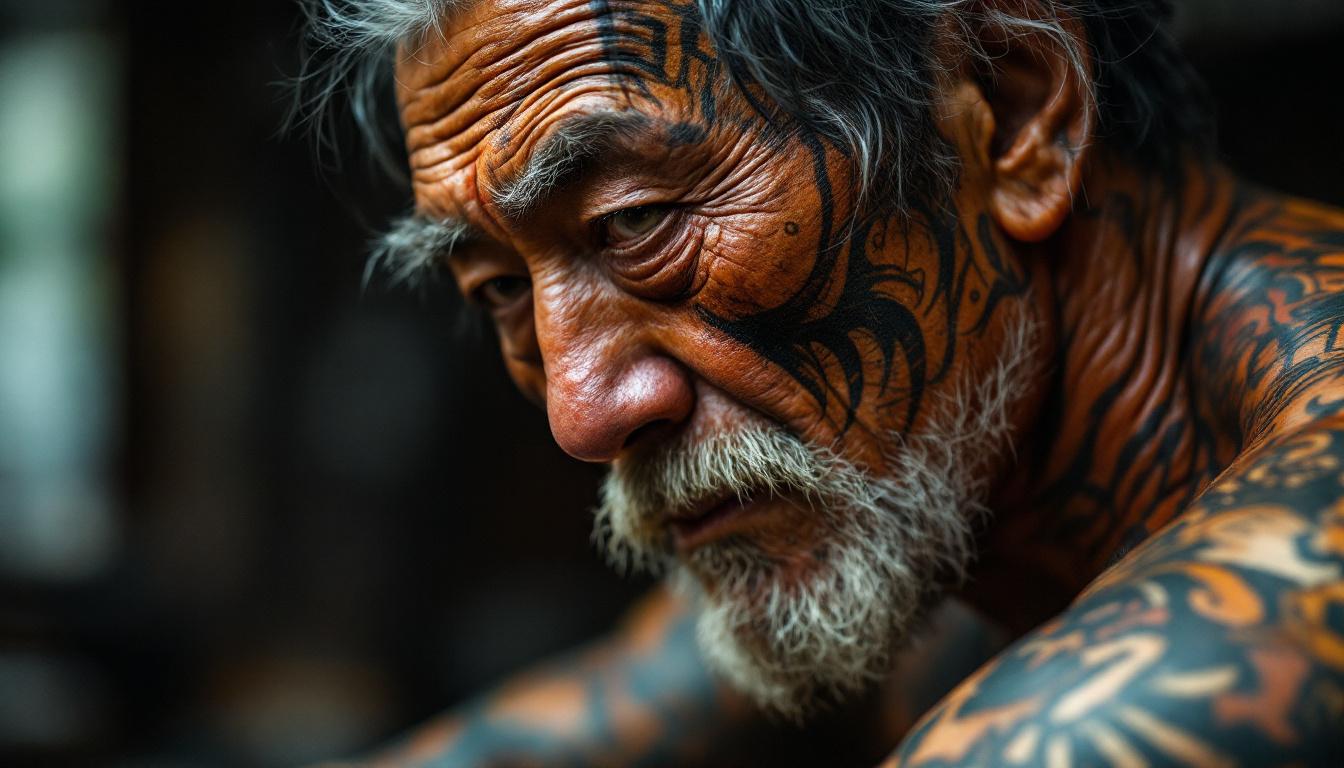
Modern adaptations and the gradual shift toward mainstream attractiveness have not diluted the power of these marks; if anything, they have enriched the story by merging tradition with innovation. Today’s tattoo scene in Japan-and indeed, around the world-celebrates this dichotomy, where deep cultural roots meet modern artistry.
This merging of eras invites a new generation to interpret and repurpose ancient symbols into something relevant and personal. It’s a blend of the age-old language of ink with a contemporary twist that makes each line and curve as meaningful as it is visually striking. As the future unfolds, these marks remind everyone that some stories, though inked in pain and perseverance, are meant to be told time and again.
Looking Back to Move Forward
The tapestry of Yakuza tattoos is interwoven with strands of history, pain, honor, and reinvention. While the most extravagant full-body suits may have seen their heyday, the essence of what makes them monumental remains unchanged-a living tribute to a past that continues to shape modern identity.
Each tattoo, each painful needle prick, carries with it an echo of the past and a hint of the future. It’s this duality that keeps the conversation alive and shifting, inspiring those who seek to express themselves in ways that are both rebellious and deeply rooted in tradition.
Despite the changes in numbers and aesthetics, the underlying respect for the craft, the technique of tebori, and the cultural storytelling through ink remain near-sacred symbols. The street’s echo and the quiet pride of those who bear these marks are as constant today as they ever were.
A Final Word on Ink and Identity
When reading the layers of meaning behind Yakuza tattoos, one must grasp that it’s more than just skin deep.
It’s a declaration, an art form, and a transformation wrapped into one vibrant, complicated package. From the underbelly of organized crime to mainstream art, the legacy of these inked emblems continues to capture hearts and minds alike. Their message is clear: identity, pain, and passion are intertwined, leaving an indelible mark not only on the skin but on the soul.
As society moves forward, the journey of these tattoos-a tapestry of hardship, honor, and transformation-remains a bold reminder that sometimes, the most powerful stories are etched in ink. Meer’s insight into this cultural legacy cements the fact that these tattoos are a testament to the enduring impact of tradition on contemporary identity.
Transform Your Tattoo Studio with Apprentice
As you delve into the rich symbolism of Yakuza tattoos, consider how your studio can honor tradition while embracing innovation. Apprentice is here to bring your tattoo business into the future with tools that refine the art of ink. Start your journey towards enhanced collaboration, streamlined scheduling, and unforgettable client experiences. Start your free trial today and join the ranks of studios mastering the balance between heritage and technology.