


A gritty afternoon in the city streets sets the scene when you notice a guy sporting full-body tattoos that tell a story. These inks aren’t just art; they’re marks of identity and control. In Mexico, the history and meaning of cartel tattoos run deep and are as layered as the ink on skin. For a closer look into how tattoos are used in this underworld, check out insights from SOFREP.
Tattoos: More Than Skin Deep
Tattoos in Mexican cartels are no random doodle; they’re an emblem of power and a trap that binds a member to a life with few exit routes. The artwork on the body tells a tale of loyalty, identity, and a system that restricts alternative opportunities in the outside world. In many ways, this body art is a mark of economic control, ensuring that members can’t easily escape their fate. The thought is that with everything permanently inked on your skin, the exit strategy becomes limited.

This phenomenon is highlighted by experts like Tom Wainwright, who explains that the tattoos are more of an economic control mechanism than mere automotive decoration. The idea is simple: show loyalty, and the painful reminder is always on the body. When the ink is as permanent as the commitment, leaving becomes a costlier decision. Check out how these full-body tattoos work as a unique form of control in insights shared by Jordan Harbinger.
Historical Roots of Ink in the Cartel World
Tracing the evolution of cartel tattoos takes you deep into the history of these organizations. Long before the modern era of relentless social media exposure, these symbols served as sacred emblems among a tight-knit world. Back in the day, the tattoos functioned both as a badge of honor and a method to discourage defection. Every mark was a seal of a dangerous bargain that tied down commitment and loyalty.
Over time, the artistry evolved into something much more complex. Nowadays, a mix of religious and mythological figures, like Santa Muerte and Jesus Malverde, are chosen for their symbolic power. These figures serve as a constant reminder of the devotion expected within the cartel. The El Paso Intelligence Center detailed how tattoos of these figures are a common sight among members, making an indelible mark on their identities.
Recruitment, Violence, and the Ink that Binds
It isn’t just about looking tough; tattoos are a tool to keep the cartel machine running. The mark of a tattoo isn’t only a deterrent for defection, but it also symbolizes the heavy price of joining. With recruitment numbers steady-cartels reportedly employ between 160,000 and 185,000 members and recruit roughly 350 to 370 new members each week-the tattoos become a means of enforcing a sense of inescapability. This reality is driven by the need to replenish ranks quickly as members fall to violence or get picked up by law enforcement (Los Angeles Times).
These recruitment tactics underline a grim logic. Research shows that merely arresting members doesn’t necessarily curb the bloodshed. Instead, reducing the overall recruitment into these networks is key to lowering the overall levels of violence (Prieto-Curiel et al.). Every new recruit carries with them the heavy chain of loyalty permanently etched onto their skin.
Cultural Shifts and the Impact on Society
The cultural impact of these tattoo practices extends beyond the confines of cartel life. In neighborhoods where cartel influence prevails, these tattoos become both a cautionary tale and a status symbol in a world that’s as grim as it is vibrant. They serve as a constant visual reminder of the dangers of a system that exploits economic desperation and social marginalization.
This system creates a situation where the local culture blends fear with admiration. Many criminals and drug traffickers reportedly venerate figures like Santa Muerte. Their tattoos not only signal loyalty but also pay homage to the mythic protectors that many believe guide their perilous lives. An industry report by the El Paso Intelligence Center outlines how these symbols have become an integral part of the narco-identity.
The Economic Implications Behind the Ink
The permanence of these tattoos comes with unexpected economic side effects. Think about it: if you’re marked for life with permanent body art that ties you to one dangerous lifestyle, finding a decent job outside the cartel becomes nearly impossible. This method of control is almost like putting a tattooed collar on every member, sealing their fate. It all ties back to the idea of economic control discussed by insiders like Tom Wainwright.
In a way, the art on the skin becomes a lifelong contract. If someone wants to leave a cartel, they’re not just getting rid of a behavioral problem-they have to deal with the stigma permanently inked on them. The consequences are severe, contributing to an almost self-fulfilling cycle of recruitment and violence. This characteristic of cartel tattoos shows just how deeply intertwined art and economics can become in a world defined by harsh realities.
Violence: The Unyielding Price of Loyalty
Violence in Mexico remains a pressing issue. With over 33,000 homicides reported in 2024, averaging around 85 deaths per day, the heavy toll of cartel violence is undeniable (The Ins Press). This daily loss of life is not just a statistic; it's a grim reminder of the human cost behind every recruitment and every tattoo etched on flesh.
Every new recruit, marked by art, enters a world where defection can result in fatal consequences. The heavy-handed system of recruitment and renewal within these organizations ensures that the cycle of violence continues unabated. Increasing arrests without addressing recruitment only leads to more chaos, making it clear that stopping the rise in membership is key to any lasting solution (Prieto-Curiel et al.).
A Glimpse into the Future of Cartel Tattoos
The lasting impact of these tattoo practices is something that will evolve as much as the cartels themselves. As law enforcement and society try to break the cycle of recruitment, the discussion on cartel tattoos shifts focus towards prevention and social reform. The stolen allure of full-body tattoos as a sign of unwavering loyalty could one day be replaced by initiatives aimed at reducing the attractiveness of cartel involvement altogether.
Future strategies might include community-based programs that offer alternative paths to economic stability. The goal would be to dismantle the dark magnetism of tattoos acting as a binding contract and replace it with opportunities that inspire a healthier, more secure future without the shadow of cartel violence. Whether or not these initiatives succeed depends on a deep understanding of the cultural and economic forces at work, and a willingness to address the root causes.
As discussions about cartel tattoo practices continue to evolve, so does the interest in how these marks shape lives long after they’re inked. For those keeping an eye on the interplay between art and underworld economics, the narrative is set to change, but the legacy of these tattoos remains a critical part of understanding cartel recruitment and the broader social impact.
Reflections on a Complex Legacy
The story of Mexican cartel tattoos is a bitter blend of art, economic strategy, and raw violence. Each piece of ink carries the weight of centuries-old traditions and modern-day ruthlessness. It is a visible reminder that the paths chosen by some are both difficult to escape and hauntingly permanent.
Every time a cartel member moves through society, their tattoos serve as a chilling badge of honor. The symbols reinforce a bond-economic, cultural, and often lethal-that is difficult to break. In the end, these tattoos embody the struggles of communities caught in cycles of poverty, violence, and exploitation, painting a stark picture of a society grappling with its own demons.
While the ink on these individuals is permanent, a transformation is possible. Breaking away from a legacy built on economic control and violence may require new ideas, safer communities, and renewed efforts from law enforcement and social programs. The conversation is never-ending, but it’s one that must continue if there’s any hope of turning the tide. For a deeper dive into the recruitment dynamics of cartels, see the in-depth study by Prieto-Curiel and colleagues.
Turning the Page: Change and the Role of Community
In discussing cartel tattoos, it is clear that the intricate web of clan loyalty and painful economic realities creates a deeply entrenched system of control. Community leaders and activists are starting to look into alternative ways of binding people to healthier lifestyles; alternatives that break away from the bad habits and destructive elements of cartel life.
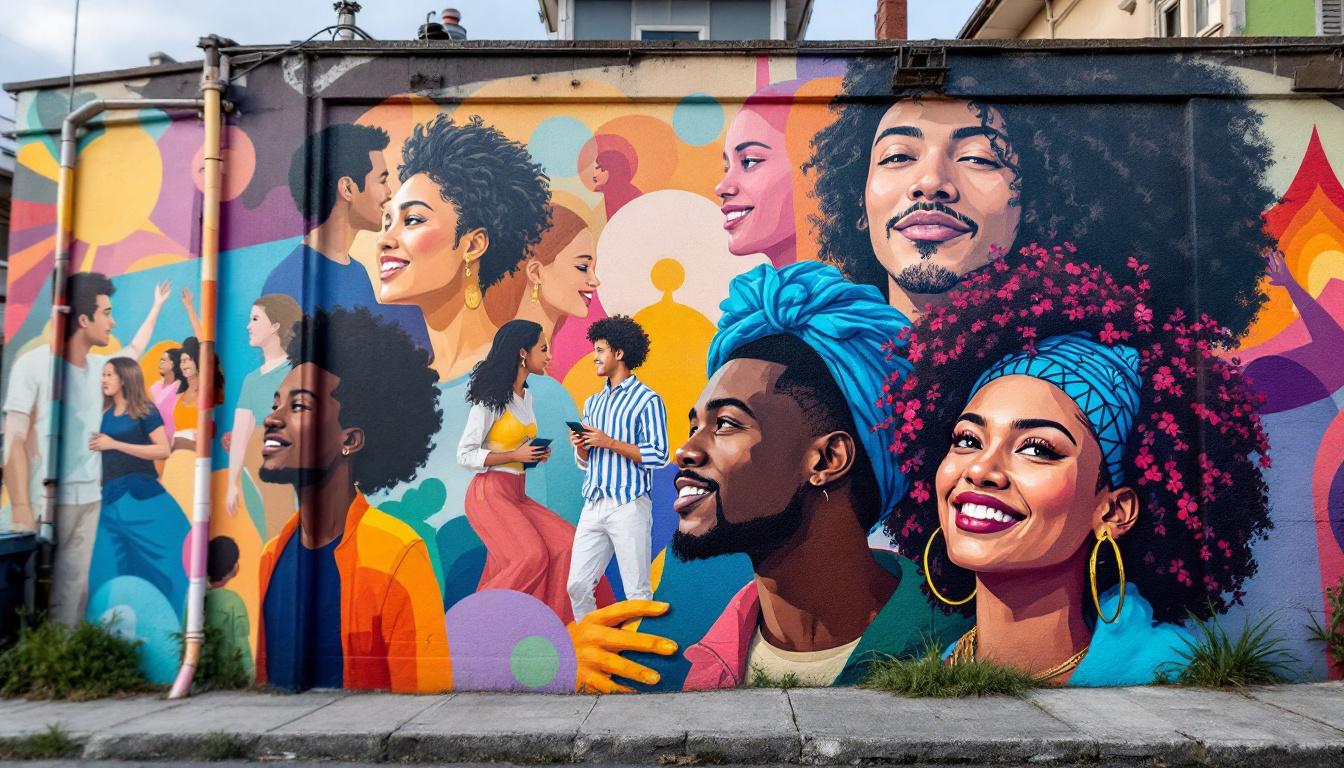
The ink might be permanent, but public opinion and cultural shifts are not. With a focus on empowering youths, offering better job prospects, and building community resilience, there is a chance to counteract the allure of the cartel lifestyle. As awareness grows, so does the potential for transformation in neighborhoods haunted by the presence of these powerful organizations.
This slowly emerging narrative of change brings a glimmer of hope. A revolution of ideas could eventually render the gruesome necessity of cartel tattoos a relic of the past. Even as violence continues to cast a long shadow, communities strive to reclaim their identity and look to a future where the marks of the past no longer dictate lives. The rhythm of social change is complex, but it ever so persistently reminds us that some histories, no matter how grim, can be rewritten.
Conclusion: Ink as Identity and a Catalyst for Change
The journey through the evolution of Mexican cartel tattoos reveals a texture of human experiences as gritty as the streets they inhabit. The tattoos, meant to bind and control, reflect a broader system of forced allegiance and economic constraint. In every mark, there is a story of defiance, of survival, and of a society caught in tumultuous times.
Understanding the legacy of these tattoos can serve as a wake-up call for communities to address the roots of cartel violence and recruitment. While the marks on these individuals are permanent, the potential for societal transformation remains bright-even in the face of harsh economic realities and state control. The challenge is to harness this knowledge, reinvigorate community initiatives, and pave the way for brighter alternatives. For those seeking to understand how a raw form of art can shape lives and futures, the narrative is as compelling as it is cautionary (The Ins Press).
The legacy of cartel tattoos is a complex, multi-layered tale that intertwines economic control, cultural identity, violence, and a relentless drive for survival. A closer look into these marks reveals much about the conditions on the ground in parts of Mexico-a stark reminder that, sometimes, the ink tells the story of all that has come before, and the promise of change yet to be written.
Transform Your Tattoo Studio with Apprentice
As we reflect on the profound impact of tattoos within the Mexican cartel culture, it's clear that the art of tattooing is deeply interwoven with identity and storytelling. If you're a tattoo artist looking to honor this tradition through your work while also embracing modern efficiency, Apprentice is your ally. Our platform is designed to enhance the way you manage your studio, collaborate on designs, and connect with clients. Elevate your business and honor the rich history of tattoo artistry. Start your free trial with Apprentice today and write a new chapter in the story of your tattoo studio.