

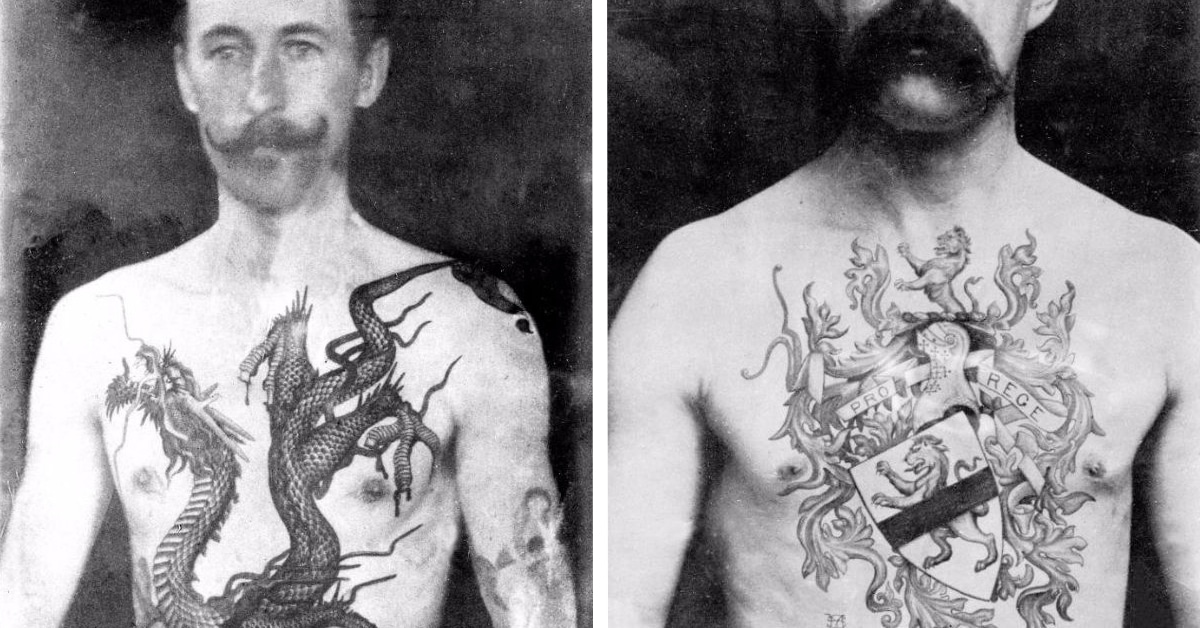
In the bustling streets of Victorian London, a name emerged that would forever change the look and culture of tattooing in Britain. Sutherland Macdonald wasn’t just any tattoo artist-he was the one who set the stage as the country’s first professional tattooist, opening up shop in the posh enclave of Jermyn Street. His work captivated not just the everyday tattoo aficionados, but also crowned heads and high society figures who wouldn’t mind having a little ink as badge of honor. Learn more about his groundbreaking journey in a detailed piece by The Independent.
The vibe back then was electric, and Macdonald’s work resonated with everyone from adventurous souls to the elite. The sheer bravery to claim ownership of one’s body through art was a statement in its own right-one that continues to influence tattoo culture decades later.
The Early Days of Tattooing in Victorian England
Tattooing during the 19th century wasn’t the mainstream activity that it is today, yet it bore a dramatic narrative of cultural exchange and self-expression. Tattooing first emerged as an exotic art form introduced to Britain through the encounters with seafarers and the British Empire’s global reach. During this time, tattoos served as emblems of personal stories-ranging from declarations of love, religious symbols, to brave emblems of maritime adventures.
A study from Revista Pesquisa Fapesp points out that between 1821 and 1920, most tattoos were etched on the arms, often showcasing nautical themes that paid homage to the lives of seafarers. This focus on arms was not random; it was a bold choice, a visible manifesto of individuality and resilience.
A Trailblazer in the Tattoo World
Sutherland Macdonald wasn’t just offering body art-he provided a sanctuary of creativity on London’s famous Jermyn Street. His salon quickly became a hotspot for the elite. Whether it was members of the aristocracy, celebrities, or notable personalities of the time, they all found a certain allure in leaving behind a tangible mark of their identities.
As noted by tattoo historian Matt Lodder from the University of Essex, "While tattooing was going on, there is no evidence of another professional studio in Britain at the time, working on paying customers" (The Independent). This singular focus on quality and attention to detail cemented his reputation and opened doors for tattooing being seen as a legitimate art form.
Regular clients were smitten by his attention to detail, his knack for capturing intricate designs, and the way he turned a tattoo into a living piece of art. Even a casual observer would note that the designs embraced both bold symmetry and delicate artistry, fusing traditional and exotic motifs that were appreciated by a broad audience.
Art on Human Skin: The Designs and Their Impact
Many of Macdonald’s designs told stories beyond the ink. His portfolio included everything from delicate copies of salon paintings to mythical Japanese dragons-a daring choice in an era when the concept of “exotic” held both allure and mystery. Tattoos then weren’t just ephemeral doodles; they were permanent statements that carried deep symbolic meaning.
Detailed pieces such as the Japanese dragons, for instance, weren’t merely decorative. They represented ancient legends and illustrated the ways in which East met West in the realms of fine art and self-expression. These tattoo designs quickly spread in popularity, influencing budding tattoo artists and appealing to a diverse clientele. Notably, Canvas Tattoo & Art Gallery highlights Macdonald’s flair in making tattoos that weren’t just body art-they were soulful expressions.
The allure of these masterpieces extended to high society, where every design was met with both awe and curiosity. Clients from various walks of life embraced these intricate works, turning the act of tattooing into a celebrated form of artistic expression and personal storytelling.
Celebrity and Royalty: Tattoos in High Regard
It wasn’t all on the fringes of society-tattooing broke into the realms of the prestigious and the powerful. Victorian royalty and members of the gentry began to see tattoos not just as marks of rebellion, but as sophisticated adornments. A striking detail from an 1898 issue of the Harmsworth monthly pictorial even estimated that as many as every fifth person among the gentry had tattoos (Vivid Ink Tattoos). This statistic underlines the immense popularity that tattooing enjoyed, even among the upper crust of society.
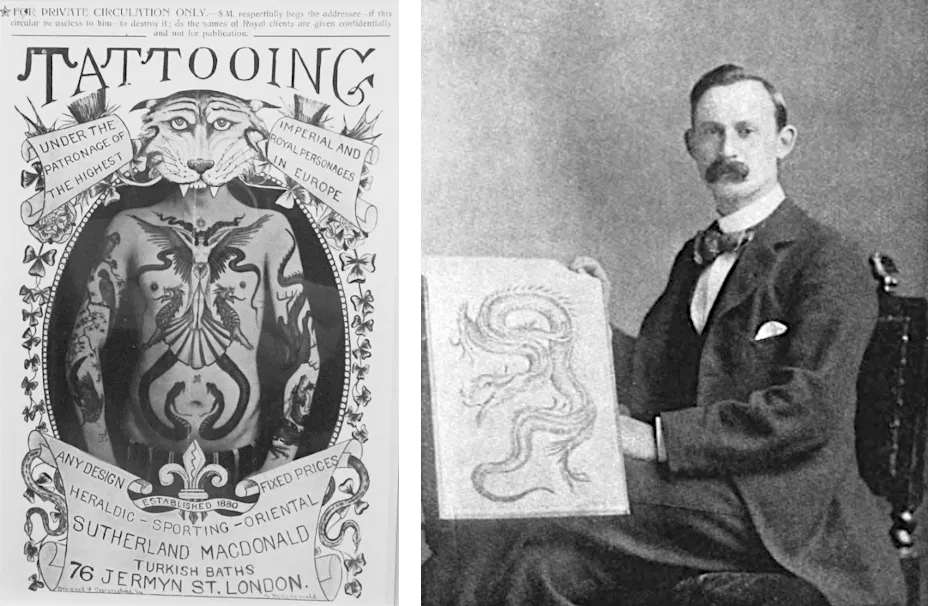
The transformation of tattooing into an acceptable practice among the elite was no small feat. Macdonald’s clientele wasn’t just looking for a cool design-they sought a form of self-expression that could flexibly cross cultural and social boundaries. His studio was a meeting point where the arts met edgy innovation, providing a glimpse into a future where tattoos would become ubiquitous.
The integration of tattoo art into high society was a rebellious yet refined act. It signifies that, even then, the personal choice to have a tattoo was often more about self-identity rather than following fleeting trends. The stamp of ink on one's skin was a declaration of personal history, and for many, a badge of both honor and defiance.
Legacy and the Modern Revival
Fast forward to 2016-an exhibition titled "Tattoo London" was launched at the Museum of London, shining a spotlight on Sutherland Macdonald’s remarkable work (The Independent). This exhibition not only celebrated his artistic contributions but also underscored the transformative journey of tattooing from an underground spectacle to a globally recognized art form.
The revival of interest in vintage tattoo art, underlined by exhibitions and museum showcases, has sparked conversations about the historical significance, cultural impact, and artistic value inherent in tattooing. Macdonald’s legacy endures in modern tattoo parlors, where artists continue to draw inspiration from his pioneering methods and appreciation for detail.
In today’s thriving tattoo industry, his imprint is evident in the way modern tattoo artists perceive their craft. What began in a modest salon on Jermyn Street now adorns thousands of bodies across the globe. His legacy represents much more than just ink on skin-it encapsulates the evolution of tattooing as a respected art form and a medium of self-expression.
The Artistry Behind the Ink
Complexity in Simplicity
The journey of transforming simple skin into a canvas for art requires not only talent but a deep understanding of design, symbolism, and human anatomy. Macdonald managed to strike the perfect balance between complexity and simplicity. His tattoos were a blend of fine, intricate details paramount to conveying the right message and broad strokes that made the art visually compelling.
The beauty of his work lay in the meticulous precision with which every design was executed. Whether replicating a classic painting or capturing the essence of a mythological creature, his skill showed that every line mattered. Clients would eagerly discuss the meaning behind each swirl and dot, finding in each tattoo a unique narrative that resonated personally with their values and experiences.
This detailed approach is still revered today among tattoo artists. The process of chronicling one's life story onto flesh is as much about the technical execution as it is about the passionate storytelling. In this respect, Macdonald’s work continues to serve as an excellent master class in the power of detailed art.
Iconic Motifs and Cultural Fusion
A recurring theme in Macdonald’s portfolio was the use of motifs drawn from diverse cultures. His incorporation of Japanese dragons is a prime example of this cultural fusion. These symbols from the East carried with them deep lore and mystique and created a dynamic interplay when juxtaposed with the sensibilities of Victorian design.
The decision to merge these varied influences wasn’t merely a creative whim. It symbolized the fluidity of art and the idea that beauty doesn’t have rigid boundaries. Macdonald’s work is a testament to the art of borrowing and blending traditions, paving a path for future tattoo artists to experiment and expand the visual vocabulary of tattoo art.
Influence on Modern Tattoo Culture
The echoes of Macdonald’s pioneering spirit are heard loud and clear in today’s tattoo parlance. Modern tattoo studios, no matter how avant-garde or traditional, owe a nod of respect to the protocols established by early masters. The craft has evolved, incorporating advanced technology and diverse techniques, yet the underlying respect for detail and narrative remains.
Although tattooing has grown exponentially, the roots of its transformation can be traced back to its early conception in this charming, gritty era. Contemporary artists are still in awe of the way Macdonald transformed what was once considered a fringe pastime into an esteemed art form.
His legacy is not just preserved in ink on skin; it’s celebrated in the dynamic discussions that ripple through tattoo conventions, art exhibits, and even online forums. The brilliance of his craft reminds modern-day artists that their drawing boards are not bound by traditional canvases but by the infinite potential of human skin.
Social and Cultural Significance of Tattoo Art
In the realm of Victorian England, tattoos were not just marks on the skin-they were statements of identity, resilience, and sometimes even rebellion. The art form went beyond aesthetic appeal and emerged as a dialogue between the wearer and the broader cultural currents of the time. Macdonald’s studio, tucked away on Jermyn Street, was as much a cultural hub as it was a place for drawing ink.
Royalty and high society began embracing tattoos, transforming their perception from rebellious acts to symbols of refined taste and mystique. That transformation is evident by the fact that, according to an industry report shared by Vivid Ink Tattoos, around one in every five members of the gentry sported some form of tattoo during those days. Such statistics underline the cultural shift that tattooing underwent, becoming a respected art form that transcended societal norms.
The mingling of various strata of society within the tattoo parlors signified a subtle yet powerful breaking down of class barriers. It created a shared space where art was accessible-where beauty was crafted through a process that blended tradition, personal history, and a rebellious spirit against the mundane.
Continuing the Conversation: Why It Still Matters
Whether viewed as a form of self-expression, an artful act of rebellion, or a bold fashion statement, tattoos have woven themselves intricately into the fabric of society. The spirit of Sutherland Macdonald continues to influence not just modern tattooing techniques, but also the cultural acceptance of tattoos as a valid form of art. His relentless pursuit of quality and innovation paved the way for tattoo artists who view their craft as a lifelong calling.
Discussions on tattoo culture now often evoke respect for its rich historical tapestry. Every tattoo bears witness to the evolution of personal expression and cultural identity. Macdonald’s early work - with its deft handling of creative design and its fusion of Eastern and Western art-remains a cornerstone in the study of tattoo art’s lineage.
Current salons continue to draw inspiration from those early experiments on human skin, blending heritage with modern aesthetics. The ripple effects of his contributions remind us that tattooing is more than skin deep; it’s an ongoing conversation about art, identity, and the fearless pursuit of individuality.
Reflections on a Lasting Legacy
While the world of tattooing has seen monumental shifts over the decades-shifts fueled by innovative designs, state-of-the-art techniques, and evolving societal attitudes-the legacy of Sutherland Macdonald remains indelibly inked into history. His bold step to embrace tattooing as a serious art form broke barriers and redefined the norms of beauty in a society that was, at the time, skeptical of anything unorthodox.
The reputation he earned in a modest studio on Jermyn Street is echoed by the admiration of clients who, for nearly forty years, navigated narrow staircases just to get a glimpse of his artistry. As narrated by George Burchett in his memoirs, “For nearly forty years crowned heads and famous people climbed the narrow staircase in Jermyn Street to visit Macdonald and to leave bearing some of the most wonderful ornaments ever placed on human skin” (Canvas Tattoo & Art Gallery).
Now, in an era where body art is considered mainstream, his pioneering spirit serves as a bridge between the past and our modern sensibilities. The reverence for his work isn’t just academic; it’s a living celebration of art that continues to breathe life into the canvases of countless modern tattoo enthusiasts.
The Enduring Impact on Contemporary Culture
Today’s tattoo parlors, buzzing with creative energy and a myriad of innovative ideas, can trace a significant part of their heritage back to the trailblazing work of Sutherland Macdonald. His influence is unmistakable in every bold line and every intricate design that graces the skin of modern art aficionados.
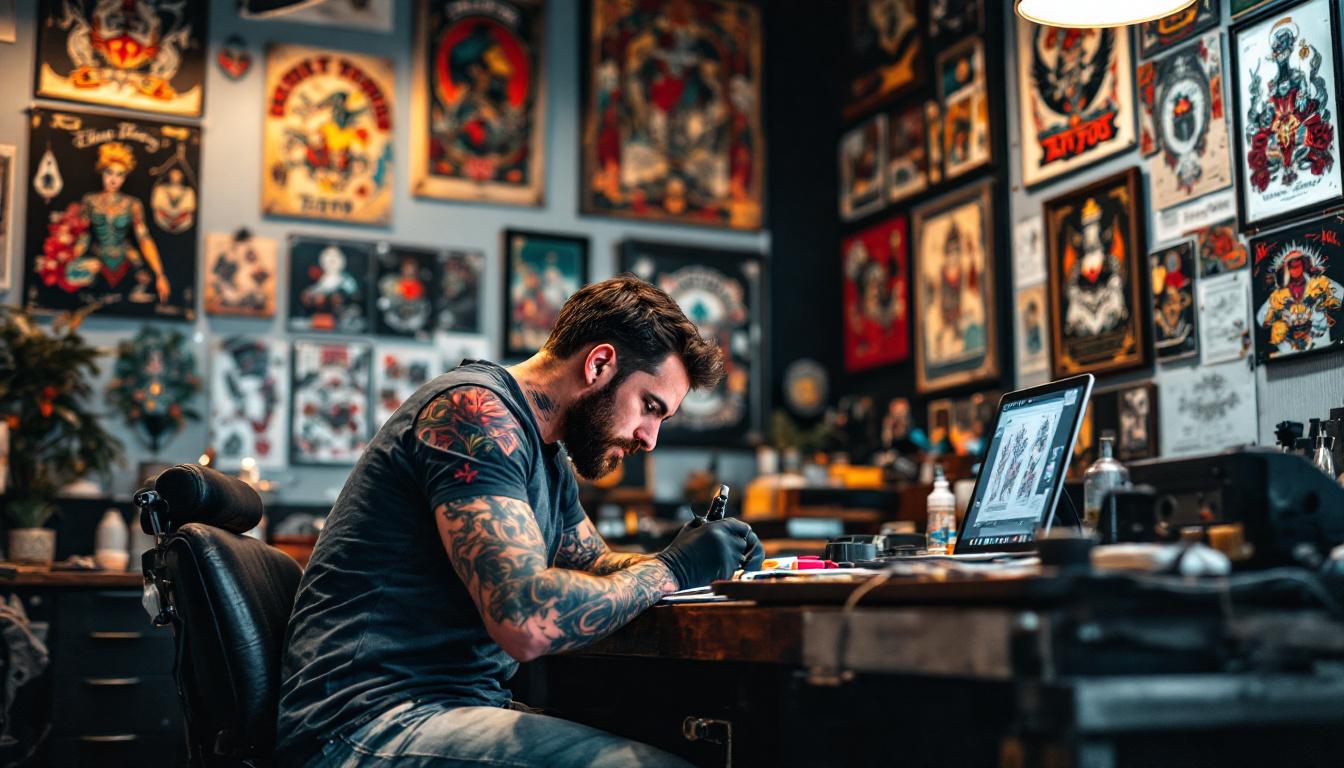
Across the board, artists who once viewed tattooing as a fringe practice are now leading a renaissance that prizes both aesthetics and authenticity. The transformation of tattoo culture from underground artistry to a celebrated cultural phenomenon is largely due to early innovators who dared to reimagine what it meant to wear art. This spirit of revolution continues to inspire those who wish to break free of societal constraints and express their identities with unapologetic flair.
The dynamic interplay between tradition and modernity in tattooing is a tribute to the foundations laid long ago by the likes of Macdonald. His dedication and commitment remain a lesson in passion and perseverance-a guidepost for today’s creators who look to infuse their work with meaning and historical significance.
Looking Ahead: The Future of Tattoo Art
As the tattoo industry continues to evolve, the core principles established during Macdonald’s era still resonate. Innovations in equipment and techniques have made tattooing safer and more versatile than ever, but the underlying spirit of the art form remains deeply connected with its roots. Each new design that emerges is a nod to the pioneers who once transformed a simple mark of ink into a prestigious statement.
The future sees a blend of age-old techniques with contemporary aesthetics, merging technology, and traditional artistry. This evolution is as much about embracing the past as it is about forging new creative paths. Modern tattoo studios are increasingly becoming hubs of not only artistic expression but also historical dialogue-ensuring that the legacy of pioneers like Sutherland Macdonald is neither forgotten nor diminished.
With museums hosting exhibitions like "Tattoo London" and art critics recognizing the rich history embedded in each design, it’s clear that the dialogue around tattoo art is far from over. The trends may fluctuate, but the undeniable human desire to express oneself through lasting visuals endures, echoing the extraordinary journey that began in that humble Jermyn Street salon.
Bridging Eras Through Ink
The story of Sutherland Macdonald is one of artistic bravery and transformative vision-a narrative of how tattooing evolved from a bold, nascent art form into a respected cultural institution. His work bridged societal divides and left an indelible mark on both the art world and everyday culture. Each tattoo that graces a modern arm can trace its lineage to the days when ink first leapt from a needle onto skin, marking a revolutionary shift in what was once considered taboo.
Macdonald’s legacy is a powerful reminder that art is ever-changing and constantly challenging the status quo. His passionate dedication to the craft set a powerful precedent that continues to shape the way body art is perceived and produced today. That enduring influence ensures that, regardless of the trends that come and go, the spirit of early tattoo artistry lives on.
From the elite circles of Victorian society to the vibrant tattoo conventions of the 21st century, the evolution of tattooing is a testament to the human urge for self-expression and creativity. It’s a story of a craft that has transformed over time yet stayed true to its roots-etched in history, celebrated on skin, and treasured by every artist who sees the art in a single, carefully drawn line.
A Living Tribute
Sutherland Macdonald’s contributions continue to be celebrated today, not merely as historical footnotes, but as living inspirations that fuel the creativity of tattoo artists all over the world. His trailblazing journey from running a professional tattoo salon on London’s Jermyn Street to being commemorated in modern museum exhibitions creates a narrative that’s rich with legacy and artistry.
The evolution of tattoo art under his guidance reminds us that every line etched on the skin has a story-a story that, regardless of time passed, retains its charm and allure. As we look towards a future full of inventive designs and ever-evolving techniques, the foundation laid by Macdonald reminds every enthusiast to value the art, its history, and the individual stories that each tattoo represents.
In wrapping up this journey, it’s clear that the art of tattooing is more than just a trend-it’s an evolving tradition that fuses art, culture, and personal identity. As modern tattoo artists push the boundaries of the craft, they do so on the sturdy shoulders of a pioneer who once dared to mark history one tattoo at a time.
Join the Legacy with Apprentice
As you honor the pioneering spirit of Sutherland Macdonald, take your tattoo studio into the future with Apprentice. Embrace the innovation that mirrors the artistry and dedication of Victorian England's tattoo legend. Start your free trial today and experience the transformation in how you manage appointments, collaborate on designs, and interact with clients. Let Apprentice be the canvas on which you paint your studio's success story. Start Free Trial and continue the tradition of excellence.