

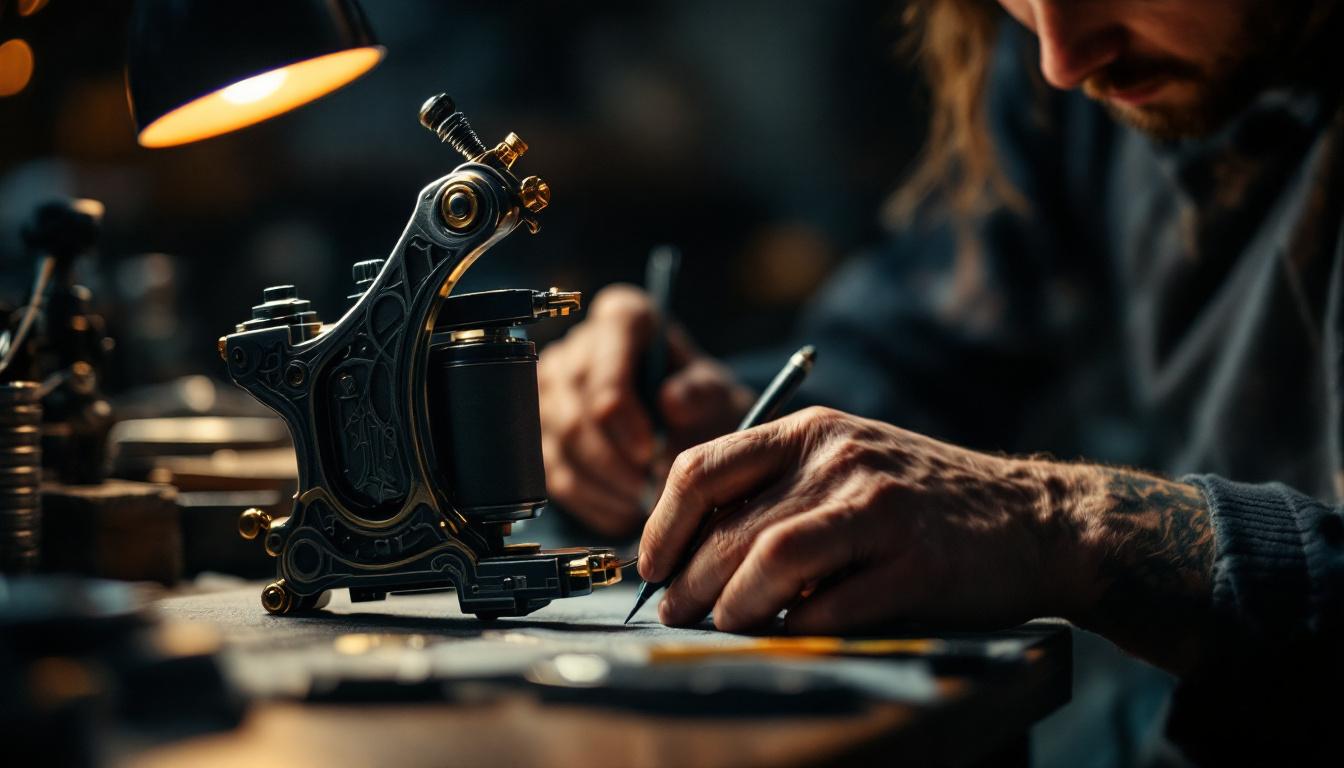
Stepping into a bustling Philly back alley or cruising down the city streets, one can’t help but notice that tattoos are everywhere these days. Samuel O'Reilly’s breakthrough invention forever changed the game, turning what used to be a slow, painstaking process into a bold, expressive art form. O'Reilly's twist on Edison's electric pen not only revolutionized tattooing but also helped pave the way for modern techniques that can pack up to 3,000 punctures a minute. That’s a far cry from the humble beginnings where punctures happened at a mere 50 per minute.
While Philly may be known for its cheesesteaks and passionate sports fans, it’s also a place that respects innovation and craftsmanship. Samuel O'Reilly tapped into that spirit of innovation, bringing speed, precision, and a new level of detail to an art form steeped in tradition. With every buzz of a modern-day tattoo machine, echoes of that pivotal moment in history remind us that creativity and technology can truly go hand in hand.
The Origins of a Revolutionary Invention
In the late 19th century, tattooing was an art practiced by a niche group of enthusiasts. Manual tattooing meant artists were limited to just a few punctures per second. Enter Samuel O'Reilly, who tweaked and transformed Edison’s electric pen into a reciprocating motor that powered the tattoo needle, ramping up speed and efficiency to levels previously unseen. This wasn’t just an upgrade in technology; it was a complete reimagining of what tattoo art could be.
Before O'Reilly’s innovation, the tattooing process was slow and somewhat painful. Historical accounts note that artists could only manage two or three skin punctures per second, which constrained the detail and shading that could be achieved in tattoos. O'Reilly’s modifications turned that entire process on its head, boosting performance to roughly 50 punctures per second. This leap meant that tattooing became not only faster but also allowed for greater complexity and depth in designs.
The early adoption of this electric tattoo machine quickly spread across the country and even internationally. Tattoo artists began to experiment with intricate designs, layering complex shading techniques and subtle color variations. It made sense-if you could move faster and more accurately, why wouldn’t you push the creative boundaries?
The Mechanics Behind the Magic
How the Electric Tattoo Machine Works
At its core, O'Reilly's machine is a marvel of simple yet effective engineering. The design employed a reciprocating motor that drove a needle up and down, enabling it to tap the skin in rapid succession. This was a crucial development for artists, as it not only increased efficiency but also brought about cleaner lines and more vibrant tattoos.
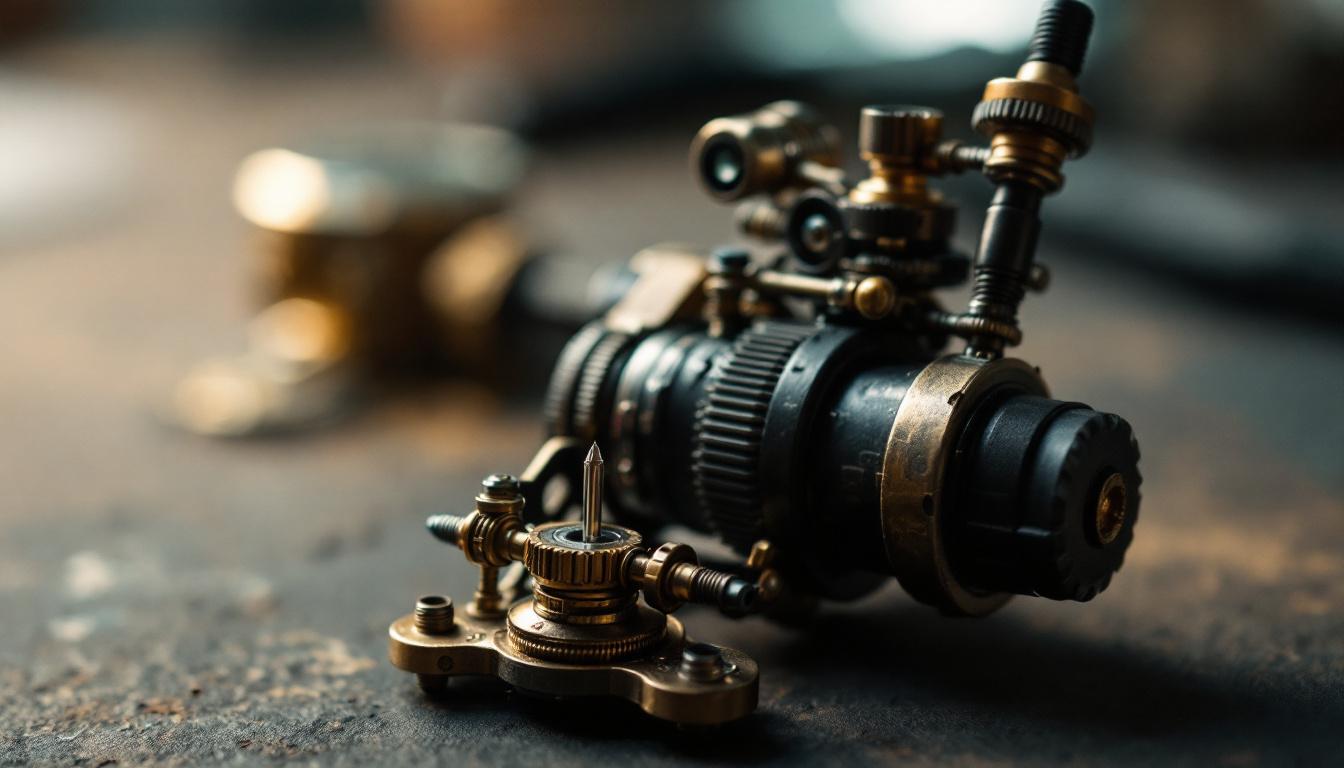
The mechanics behind this system might sound straightforward, but they were revolutionary at the time. The transformation from manual, labor-intensive tattoo methods to a machine-driven process was not just a matter of convenience. It allowed for improved precision, making it easier to render detailed imagery and delicate color gradations-a fact highlighted by experts from Wittenberg University.
This advance also meant that tattoo artists could work at a pace that matched the growing demand for body art, which was becoming more socially acceptable and mainstream. The mechanical reliability and speed of the electric machine helped reduce the overall pain experienced by the wearer, changing the public’s perception of tattooing forever.
Tattoo Culture Before and After the Machine
The cultural landscape of tattooing before Samuel O'Reilly's intervention was markedly different. Earlier tattoo practices were relatively slow, and the technique was primarily reserved for hard-core enthusiasts or marginalized groups. Pain was an integral part of the experience, and intricate designs were nearly impossible. With the arrival of the electric machine, the tattoo culture began an intriguing transformation.
By making the process faster and less painful, the electric tattoo machine helped break down barriers. Suddenly, more people were willing to get tattooed, leading to a boom in popularity. This shift wasn’t just about speed-it was about reintroducing tattooing as a legitimate art form. Salons started to pop up in urban centers, and tattoo conventions became the norm, drawing crowds that marveled at the precision of the artwork.
Historically, tattooing carried with it a trace of stigma and limited exposure. But as modern tattoo machines took hold, these devices allowed artists to experiment with intricate imagery and dynamic shading. This sparked interest among a broader audience, including those who once shunned the idea due to its painful reputation. The increased accessibility of tattooing can be credited to the efficiency and reduced discomfort brought by O'Reilly's innovations.
Modern Tattoo Machines: Evolution and Impact
Today’s tattoo machines are a far cry from their humble beginnings, yet the influence of Samuel O'Reilly is unmistakable. Contemporary devices have built upon his core innovation-an electric motor paired with precision engineering-and are capable of delivering up to 3,000 punctures per minute. This speed has enabled modern artists to complete more elaborate pieces with surprising ease.
The evolution of tattoo machines is a classic case of technology meeting creativity. Advances in electronic design, better materials, and improved ergonomics have all contributed to the modern tattoo machine’s refined capabilities. However, the fundamental principle remains the same: harnessing rapid, precise movements to create stunning visual art on skin. This continuity of design underscores O'Reilly's lasting impact on the industry.
Basic components like the reciprocating motor have undergone numerous tweaks, but the heart of the device still beats to the same revolutionary rhythm that O'Reilly introduced over a century ago. The increase in tattooing speed and precision isn’t just beneficial for the tattoo artist; it also enhances the experience for the customer. Less time under the needle generally means a bit less pain-a significant selling point for those on the fence about their first tattoo.
Artistic Freedom and Technical Precision
The electric tattoo machine has unlocked doors for creative expression that were previously bolted shut. With increased speed and precision, artists can now focus on the finer details of each design, whether it's delicate line work, dynamic shading, or full-color compositions. This artistic freedom has led to a renaissance in tattoo art, inspiring a wave of creativity that bridges old traditions and modern flair.
Technical improvements over the years have complemented this surge of creativity. Contemporary machines, while more sophisticated and versatile, owe much of their design heritage to O'Reilly’s visionary tweaks. The ability to perform intricate color transitions and subtle shading attributes to the reduced discomfort and enhanced efficiency that modern tattoo machines provide.
Technical literature and studies, such as those reviewed by Invention & Technology Magazine, illustrate just how far the technology has come without straying from its original purpose-to create art on skin with both flair and accuracy.
Cultural Shifts and Social Acceptance
Samuel O'Reilly's invention didn’t only trigger a technical evolution-it also catalyzed a cultural shift. Prior to these technological advancements, tattoos were largely seen as marks of rebellion or indicators of a person's outsider status. The electric tattoo machine opened up tattooing to a broader audience by making it more tolerable and artistically refined.
As tattoos became easier and less painful to administer, they crossed social boundaries. What was once considered an underground or fringe practice slowly morphed into a mainstream art form. Every buzzing machine in a trendy studio or a pop-up shop in a gentrifying neighborhood has roots in O'Reilly's ingenious design. His work helped improve the overall experience, enticing a new generation of tattoo enthusiasts who appreciate the blend of innovation and art.
This shift is evident in the way tattoos are treated today. They are celebrated as personal expressions of art and identity, no longer confined by outdated stigmas. Museums such as the Smithsonian American Art Museum have even showcased vintage tattoo sets from as far back as the 1920s–1930s, celebrating the evolution and cultural significance of tattoo machines and the art they produce.
Legacy and Modern-Day Implications
Even though Samuel O'Reilly’s electric tattoo machine was born over a century ago, its legacy is still undeniable. The paths he paved have influenced not only the technical aspects of tattooing but also its cultural significance. Fast-forward to today, and every time an artist picks up a modern tattoo machine, they're inheriting a rich, innovative history that respects both the art and the technique.
Today’s tattoo industry is a vibrant mosaic of influences, blending technology, artistry, and personal expression. The machine, in its evolved form, represents much more than a tool-it encapsulates a bridge between eras, where the gritty, manual methods of the past meet the sophisticated, refined practices of the present. As cities like Philly continue to imbue every corner with creative energy, O'Reilly’s invention remains a touchstone for both artists and enthusiasts alike.
In a world where aesthetic expression is celebrated across all walks of life, the electric tattoo machine stands as a testament to human ingenuity. Its rapid evolution-from producing 50 punctures per second to an astonishing 3,000 in current models-speaks volumes about the ongoing pursuit of better, more efficient methods to create meaningful art. That original machine not only sped up the process but also opened up a world of possibilities that continues to evolve.
Bringing Innovation Into the Spotlight
The ripple effects of O'Reilly’s machine can be felt across numerous fields. Tattoo culture has influenced fashion, music, and even digital art. As trends in body modification continue to evolve, the electric tattoo machine remains one of the most enduring symbols of creative disruption and technical progress. Its impact can be traced through the evolution of artistic expression, representing a unique intersection of art and technology.
Even as technology in other fields races ahead with automation and digital integration, the principles behind the electric tattoo machine remain simple yet effective. That simplicity is the very thing that has entrenched it in the annals of modern art. The machine is a reminder that sometimes, the most groundbreaking changes come from the courage to tinker with an old idea until it becomes something extraordinary.
With enthusiasm from both industry experts and everyday tattoo lovers, historical pieces like O'Reilly's first machine continue to spark conversations about how far theatrical body art has come. The discussion isn’t just about the past; it’s a celebration of the present and a nod to a future where this blend of technology and art only grows richer in expression.
Looking to the Future
As tattoo artistry rides the wave of modern technology, the legacy of Samuel O'Reilly remains as relevant as ever. In today's studios, new technological breakthroughs are routinely integrated with traditional techniques. The electric tattoo machine, a product born from curiosity and ingenuity, continues to inspire innovations that blend the analog with the digital. Modern equipment still draws heavily on O'Reilly's early designs, proving that good ideas never truly fade away.
Artists are constantly pushing the envelope, using the old school machine as a benchmark while experimenting with new approaches to ink, pigments, and design software. This melding of science and creativity results in tattoos that are not only bold and beautiful but also technically impressive. Studios now invest in ergonomically designed machines that reduce fatigue and enhance precision, all built on the foundation laid by the original innovation.
Looking at community art projects and high-profile tattoo conventions, one sees a clear trend: people celebrate the intersection of art and engineering. With every whirr of a modern machine, there is a tribute paid to Samuel O'Reilly’s relentless drive to forge a better way to skin art. The buzz and energy in studios across the country are a constant reminder that progress is built on the shoulders of those who dared to break away from the norm.
Maintaining the Human Touch
Even with all the technological advancements, the essence of tattooing remains deeply human. Each tattoo is more than a design-it’s a form of personal storytelling. The electric tattoo machine may have accelerated the pace, but behind every machine is an artist whose hand brings life and meaning to the art. The delicate interplay between machine precision and human creativity is what keeps the tattoo industry both innovative and emotionally resonant.
In a time when technology can sometimes feel impersonal, the stories etched into skin remind everyone that art continues to be personal and deeply connected to human experiences. The artistry does not stop at the mechanism; it lives in the soulful expression of each design. That’s why even as cutting-edge technology refines the process, the true magic of tattooing lies in the hands and hearts of those who create it.
The electric tattoo machine’s evolution, from O'Reilly's initial spark to today's high-speed devices, continues to embody that perfect balance between technical prowess and creative vulnerability. It’s a reminder that while speed and efficiency are crucial, the personal touch remains irreplaceable.
The Enduring Spirit of Innovation
Samuel O'Reilly’s daring adaptation of a simple electric pen forged a legacy that resonates across decades. His transformation of tattooing from an art of slow, painstaking effort into one of precise, efficient craftsmanship has paved the way for the adoption of tattoos as a mainstream art form. O'Reilly pushed boundaries, making an indelible mark on the cultural landscape that continues to draw inspiration from him to this day.
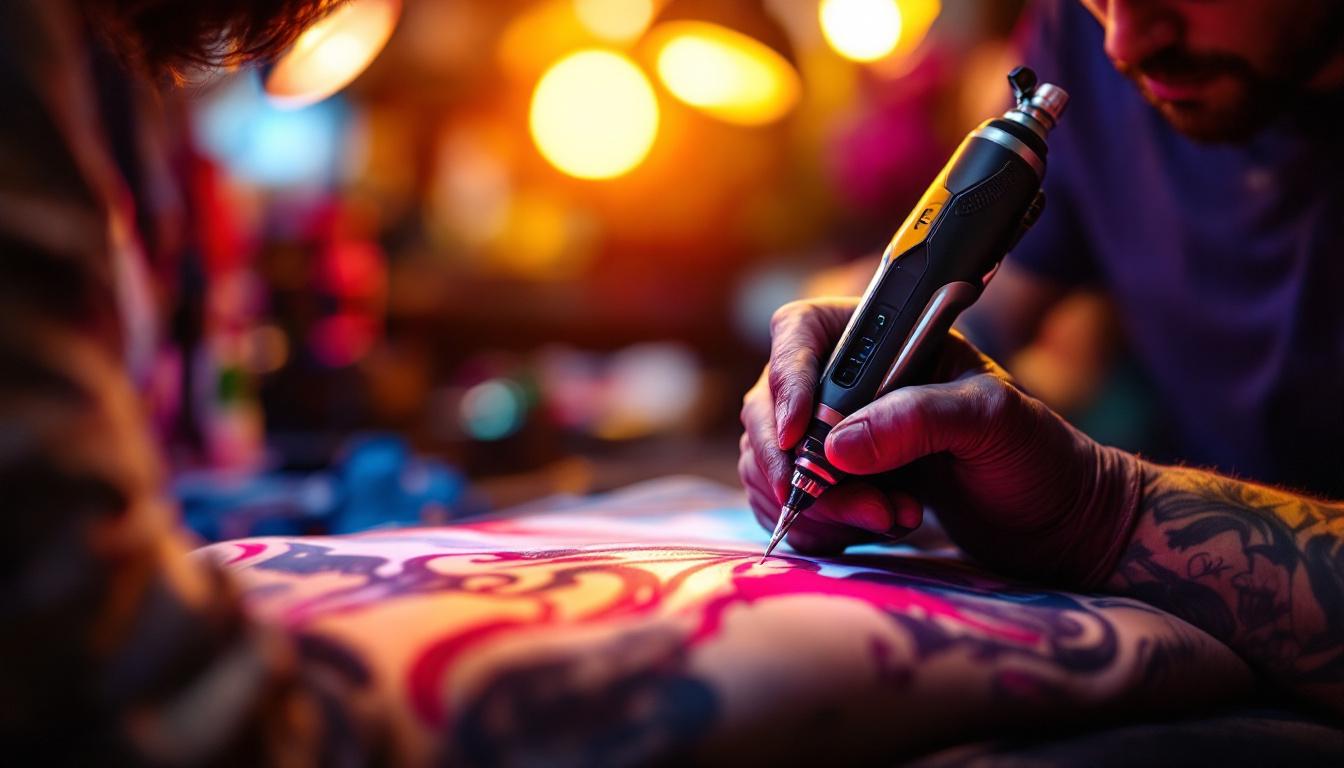
This spirit of innovation has not only influenced tattoo technology but has also inspired artists across various disciplines in their pursuit of perfection and ingenuity. O'Reilly's legacy is visible in the way artists enthusiastically adopt new tools and continually strive to improve their craft. The electric tattoo machine, and with it, a component of Philly’s vibrant urban tapestry, has become a symbol of resilience and creative courage.
The transformation that began with a modest machine has grown into an art form embraced by a diverse crowd. Every piercing buzz is a nod to that pivotal moment in history-a moment when the world of tattooing was forever changed. With every new innovation that builds on Samuel O'Reilly’s work, the relationship between technology and art deepens, resonating with those who believe that the best art comes from a place where passion meets invention. Just as a machine’s rhythmic hum underlines the skill of a dedicated artist, the legacy of O'Reilly endures as an inspiring reminder of the creative power that reshapes cultural norms.
As the tattoo industry continues to grow, the modern electric tattoo machine stands not only as a tool but also as a monument to the adventures of innovation in art. It is a testament to the fact that with a bit of ingenuity and a willingness to experiment, one can change the game entirely. When exploring any tattoo parlor today, the echoes of the past mix with the buzz of modern technology, and that's something truly special.
A Nod to the Past, a Toast to the Future
The journey from Samuel O'Reilly’s first machine to today’s advanced tattoo equipment is filled with twists, turns, and a whole lot of creative passion. This evolution is not just a story about technology-it’s a story about the relentless drive to do better, to push further, and to honor the art in every sense of the word. Every artist wielding a modern tattoo machine is, in a way, carrying forward the innovative spirit of Philly’s own cultural legacy.
As the scene continues to evolve and inspire new generations, the blend of machine precision and human expression remains at the heart of tattoo art. That fusion will likely continue to forge new paths, ensuring that tattoo culture remains a dynamic interplay of old-school passion and modern technique. With a nod to the past and a toast to the future, Samuel O'Reilly's revolutionary work will forever be a touchstone in the vibrant, ever-growing tapestry of body art.
The buzz in the air, whether at a local Philly studio or an international tattoo convention, carries with it the unmistakable influence of a man who dared to dream big and change the world. The electric tattoo machine is more than just a tool-it’s a symbol of artistic innovation, a relic of cultural evolution, and a reminder that sometimes, one bold idea can turn the world upside down. As the sun sets over city skylines and artists continue to craft stories on skin, the reverberating impact of Samuel O'Reilly's legacy stands tall, inspiring countless souls to pick up a needle and create something timeless.
Join the Revolution with Apprentice
In the spirit of Samuel O'Reilly's innovative legacy, Apprentice invites you to transform the way your tattoo studio operates. Embrace the future with our suite of tools that streamline scheduling, enhance design collaboration, and manage client interactions with ease. Elevate your artistry and business acumen in one fell swoop. Start your free trial today and join a community where creativity meets efficiency.