

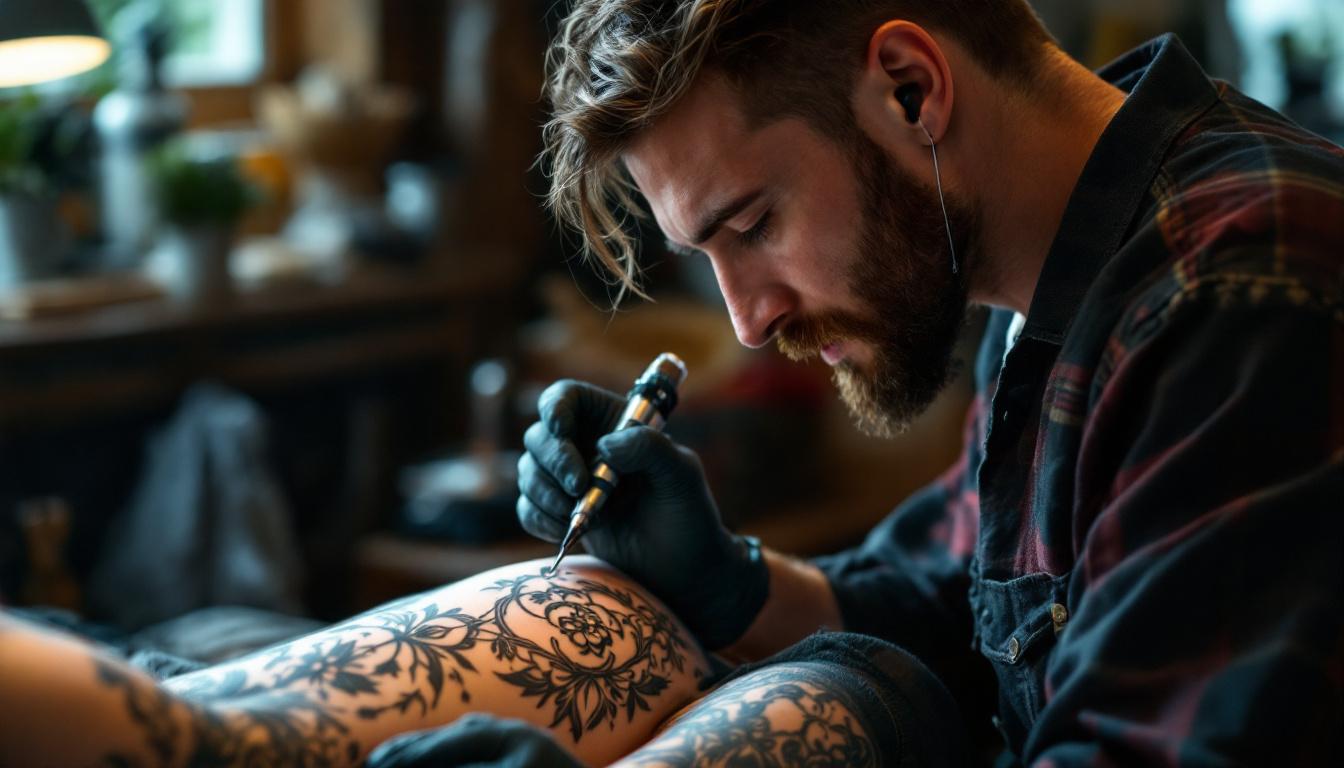
Dive right in-Scandinavia’s ink culture ain’t just about pretty designs; it’s about heritage, rebellion, and raw artistry. Over the years, this region has seen a steady rise in tattoo popularity and innovation, drawing inspiration from deep-rooted traditions and modern artistic trends. In Sweden, where nearly half the folks boast at least one tattoo according to recent statistics, the ink scene tells a story that’s as intricate as the designs themselves.
Tattooing here is more than skin art-it's reflective of identity, culture, and history. Whether you're an enthusiast or simply curious about why tattoos have taken over Nordic society, this exploration will give you a taste of the passion, rules, and creative spirit fueling the movement.
The Rise of Tattoo Culture in Scandinavia
The tattoo culture in Scandinavia is booming, fueled by both traditional designs and cutting-edge trends. Take Sweden, for instance-the land of midnight sun-where 47% of its population proudly wears their ink. Such widespread adoption isn’t just a fad; it’s a nod to long-held cultural narratives and personal expressions that have evolved over decades as showcased by recent statistics.
This surge in popularity is not confined to one nation. Across the region, communities are embracing tattoos as a significant part of their personal and collective identity. The blend of old-world techniques and modern aesthetics creates a unique tapestry that’s as much about art as it is about the stories behind the ink.
Tracing the Historical Footprints of Nordic Tattoo Traditions
Scandinavian tattooing has deep roots. Much like the ancient runes that once adorned Viking shields, early tattoos were symbolic, conveying status, faith, or a warrior’s tale. Even today, many tattoo artists refer back to these traditional symbols to push the envelope on modern designs. In some interviews, tattoo artist Colin Dale stressed the importance of revisiting traditional motifs to keep the art form dynamic and evolving. His insights, shared in discussions on Nordic tattoo trends, emphasize that heritage remains a vital source of creative freedom according to expert insights.
The historical influence is a compelling reminder that tattoos are not merely decorative but serve as a living connection to a storied past. Artisans today interpret ancient visual languages, incorporating them into modern canvases in ways that pay homage to their roots while speaking to contemporary aesthetics. It’s a captivating mix-old soul meets innovative edge.
The Influence of Viking Heritage on Modern Ink
Scandinavian tattoo traditions are significantly inspired by Viking heritage. The tales, legends, and archetypal images of Norse mythology have seeped into modern tattoo art in surprising ways. They aren’t replicated verbatim but rather reimagined-more abstract, often more personal. This metamorphosis challenges the tattoo artist to innovate without losing the emotive power of those ancient icons.
This fluid interpretation keeps the lineage of tattoo history alive. Clients often choose designs that reflect stories passed down through generations, transforming ancient symbols into modern emblems of identity and resistance.
Some tattoo parlors even host themed nights focusing on Nordic legends, where both established and novice artists experiment with these symbols in innovative styles, creating art that speaks to a diverse clientele.
Regulatory Waves: Tattoo Ink Control and Safety in the Nordic Region
Safety in tattooing has always been a hot topic. In Scandinavia, efforts to control tattoo inks and ensure safe practices have been getting stronger. The Nordic Enforcement Group released a report in November 2024 which puts a spotlight on joint control measures for tattoo inks as noted in recent regulatory efforts.
The report highlights comprehensive strategies aimed at regulating the composition, testing, and approval of tattoo inks across the region. This rigorous oversight is designed not only to maintain high safety standards but also to cultivate consumer confidence in the art. It’s a balancing act: safeguarding public health while allowing the creative spirit of tattoo artists to flourish.
Yet, even as these regulations tighten, the community’s passion for self-expression via tattoos continues to thrive. Industry experts believe that responsible regulation can coexist with creative liberty, ensuring that the tradition remains both innovative and safe.
How Regulatory Measures Impact the Tattoo Industry
Stricter ink control means tattoo parlors must now adhere to more precise safety protocols, which in turn can boost confidence among new customers. The long-term effect is likely to be a healthier, more sustainable industry. With newer ink formulas and better-trained professionals, the overall landscape is set to benefit from these changes.
While some artists initially grumbled about increased paperwork and updated hygiene protocols, many have come to see the value in these reforms. In the end, ensuring safe practices helps preserve both the health of clients and the reputation of the Nordic tattoo scene.
Modern Trends and the Push for Traditional Influences
Modern tattoo trends in Scandinavia bring a fascinating blend of influences. On one hand, you have ultra-modern designs crafted for a global audience; on the other, a nod towards classic, time-honored motifs that allow wearers to connect with a storied past. Tattoo artist Colin Dale’s perspective resonates well within contemporary circles when he encourages a look back at tradition to drive future creativity as explained by one renowned artist.
This interplay of old and new creates a dynamic environment where innovation is born from tradition. Artists are no longer confined to standardized designs-there’s a wealth of inspiration in cultural relics and ancestral symbols that continue to influence creative trajectories.
The conversation around what constitutes a “good” tattoo is evolving. Rather than shying away from deep historical references, the new generation calibrates those classical elements with vibrant color palettes and bold modern interpretations. The result? A visual dialogue that spans centuries.
Choosing the Right Design: A Blend of Past and Present
When looking for the perfect design, many clients yearn for that sweet balance between historical echoes and modern flair. Traditional motifs sometimes come with a set of archetypal meanings, while contemporary designs speak to individual stories and complex identities. This balance is especially important in places like Scandinavia, where tattoos can symbolize both collective heritage and personal rebellion.
For many, a tattoo becomes an ongoing conversation about who they are and where they come from. It’s not just the image on the skin-it’s the narrative behind it, often inspired by rich cultural histories that ride the waves of time.
Regional Variations in Tattoo Trends Across the Nordics
Across Scandinavia, tattoo trends vary as much as the weather does. In Sweden, nearly half the population shows off at least one tattoo according to recent research, making it a hotspot of ink and expression. However, other countries in the region have their own twists on the trend.
In Finland, for instance, a study reported that a notable portion of individuals got their first tattoo before the age of 18, with young women leading the charge. This early adoption signals a broader cultural acceptance among youth-a trend shaped by a mix of rebellion against tradition and the desire for early self-expression.
The diversity in tattoo culture reflects the multi-layered nature of identity in the Nordic countries. What’s common across the board, however, is the strong connection between tattoo art and a deep-seated pride in one’s heritage.
Home Tattooing and Non-professional Trends in Finland
Interestingly, there’s an emerging trend of non-professional tattooing in Finland. A study highlighted that around 21.7% of participants sported at least one home tattoo as detailed in a recent study. This phenomenon isn’t just about cost-saving or convenience-it’s a form of self-expression that resonates deeply with personal and cultural narratives.
The do-it-yourself tattoo scene champions a distinct kind of artistry. It blurs the traditional lines between formal tattoo parlors and personal experimentation, symbolizing a robust subculture that values autonomy and creativity highly.
While home tattooing doesn’t come without its risks, advocates argue that it fosters a unique, intimate relationship between the creator and the canvas, challenging the conventional norms of tattoo artistry.
The Economic Pulse of the Tattoo Industry in Scandinavia and Beyond
The tattoo scene is not just a cultural statement-it’s also big business. In Germany, for example, the tattoo industry rakes in a whopping €400 million annually, a stat that underlines the sheer market size and influence of this art movement as reported by industry experts. While Germany isn’t in Scandinavia, its booming market offers relevant parallels for the Nordic region, where both traditional artistry and modern techniques are appreciated.
Economic growth in the tattoo industry is driven by more than just consumer spending. It’s also fueled by a vibrant ecosystem of training schools, innovations in ink formulation, and new safety protocols that support and often stimulate market expansion.
For many tattoo artists, the competitive market is a double-edged sword. The increased demand brings opportunities for creative expression and income, yet it also encourages a quest for uniqueness in a flooded market. This rivalry continues to push artists toward continually refining their craft.
The Impact of Millennial Trends on Industry Growth
Across the United States, approximately 30% of people have at least one tattoo, with millennials-the most inked generation-leading the charge as highlighted in recent statistics. This trend isn’t confined to the U.S.; the influence of millennial culture is felt globally, including in Scandinavia, where young people merge diverse influences to redefine tattoo culture.
This demographic shift is critical. Millennials are constantly on the lookout for meaningful self-expression, and tattoos serve as an accessible, personalized medium for such articulation. Their preference for bespoke designs and authentic narratives is reshaping tattoo trends, pushing the industry to innovate while remaining deeply rooted in tradition.
The economic success and cultural relevance of tattooing in Scandinavia are thus intertwined with the youth-driven demand for art that is both personal and historically evocative.
Understanding the Cultural Significance Behind the Ink
Tattoos in Scandinavia come loaded with meaning. They’re not just decorative; they tell a story about who the wearer is and what they stand for. Anthropologist Dr. Lars Krutak has long argued that tattoos can be pivotal in expressing personal identity and preserving cultural heritage according to expert insights. This holds particularly true in regions laden with myth and legend, where ancient symbols continue to inspire contemporary creativity.
The meaning behind a tattoo can vary widely-from marking significant life events to embodying the virtues and tales of one's ancestors. Tattoos have become modern sigils, each carrying a distinct personal narrative, often interwoven with cultural lore. Whether it’s a Viking emblem or a design inspired by the natural beauty of the Nordic landscape, these artworks encapsulate a sense of belonging and defiance all at once.
What makes Scandinavian tattoo traditions even more compelling is the blending of personal storytelling with collective memory. These tattoos act as wearable history books, chronicling both the triumphs and challenges of their bearers.
The Role of Tattoos in Personal and Social Identity
Within Nordic circles, a tattoo often represents an identity beyond the physical. It’s an assertion of individuality and cultural pride rolled into one. The skin becomes a canvas for experiences, beliefs, and rites of passage. What’s more, in a society that values both heritage and modernity, tattoos bridge the gap-making the past palpable in today’s fast-changing world.
The visible commitment to ink is a nod to social identity. It’s about honoring tradition, but also about standing out in a crowd. Some folks wear their tattoos as badges of honor, while others see each design as an evolving narrative of resilience and transformation.
This multifaceted symbolism is what keeps people coming back to the needle and ink, time and time again, year after year.
Looking Forward: Innovation, Adaptation, and the Future of Nordic Ink
What does the future hold for tattoo artistry in Scandinavia? The scene is evolving fast. Artists are not only preserving old techniques but also injecting new life into them. New ink, digital advancements, and updated safety protocols signal an industry that’s not afraid to lean into change while maintaining its historic appeal.
With the rise in consumer demand, particularly among younger generations, the industry is set to keep thriving. While regulations and safety measures become more rigorous, the creative pulse remains undimmed. The push for traditional influences only adds richness to the conversation, ensuring that even as techniques modernize, the core values stay intact as seen in recent studies.
Looking ahead, the balance between innovation and historical respect is poised to shape the Nordic tattoo scene. It’s a future where every design and every color is a synthesis of generations-a continuous dialogue between yesterday’s legends and today’s expressions.
The Unyielding Spirit of Nordic Tattoo Artists
Nordic tattoo artists are synonymous with creative resilience. They navigate the challenges of a competitive market while staying true to artistic integrity. Their willingness to experiment-while drawing deeply from tradition-fuels a vibrant, ever-evolving art form that keeps pushing boundaries.
This unyielding spirit is what makes the tattoo community in Scandinavia so dynamic. Whether it’s a brush of old-world influence or a dash of modern audacity, each artist contributes to an ongoing narrative that’s part of a broader cultural resurgence.
Every needle, every shade, and every design tells a story-one that’s rooted in centuries of history yet is continuously reshaped by the present. That’s the magic of Nordic tattoos: a perpetually evolving canvas that respects the past while daring to innovate boldly.
Connecting with the Community: The Social Fabric of Tattoo Culture
Tattoo culture in Scandinavia operates on more than just artistic expression-it’s embedded deeply in the social fabric. Public spaces, pop-up events, and tattoo conventions are venues where enthusiasts and practitioners mingle, share stories, and spark new trends. It’s a lively and interconnected community where every tattoo has a back story and every artist keeps the flame of heritage burning.

This dynamic community is what makes the experience truly immersive. Family history, cultural pride, and the willingness to reinvent are all interlaced in the narratives shared over a cup of strong coffee at a local tattoo parlor. Every discussion is a crash course in art, history, and even a bit of defiant humor.
In these gatherings, very few walks away unchanged; ideas are exchanged, techniques are debated, and classic symbols get reimagined. In essence, the communal vibe is a vital ingredient in the sustained popularity and innovation thrust of tattoo culture across the region.
A Hub of Shared Experiences
The energy among tattoo enthusiasts is palpable. Conversations flow easily-from sharing the moment you got inked to dissecting the historical significance behind a design. This open, relaxed banter fosters an environment of learning and mutual respect. It’s not just about the final piece of art; it’s about the journey that gets etched onto the skin.
These communal discussions also serve as informal tutorials for those eyeing their first tattoo. Whether you're a seasoned enthusiast or just curious about the buzz, the tattoo community is always ready to welcome new voices into the fold.
As the conversation deepens, it becomes clear that tattoos continue to represent much more than fleeting trends-they are a living chronicle of societal shifts, personal milestones, and the enduring spirit of creativity.
Ink as a Living Chronicle: Reflecting on Identity and Heritage
In a world that’s constantly shifting, tattoos remain one of the few art forms that captures the essence of identity with vivid permanence. For many in Scandinavia, each tattoo signifies more than just a visual statement; it’s an emblem of personal evolution, a nod to cultural lineage, and sometimes even a silent protest against societal norms.
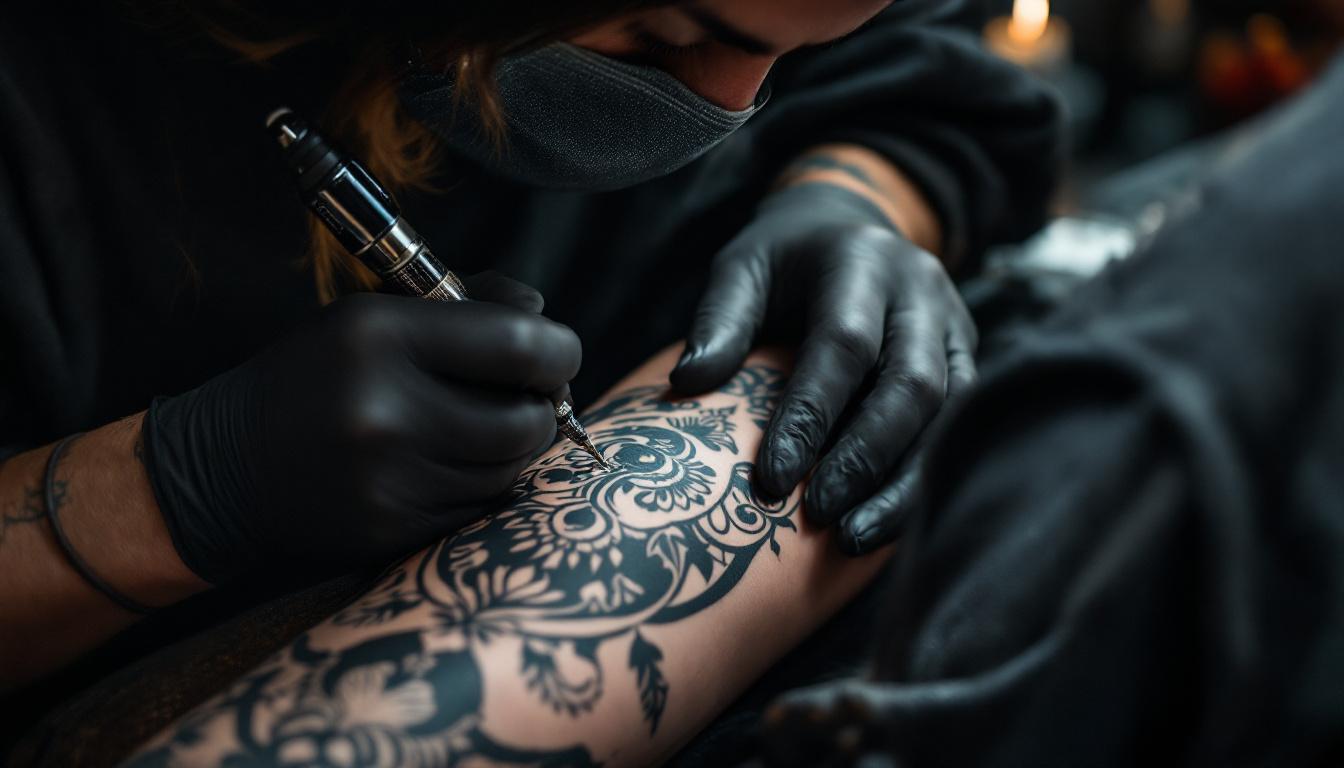
This sense of permanence is what endears the craft to countless individuals. The ink is a reflection-an ever-changing canvas that mirrors life's trials, triumphs, and the shifting sands of personal belief. Whether guided by ancestral lore or contemporary drives, tattoos serve as a heartfelt testament to one's journey.
The narratives carved into skin embody stories of love, rebellion, and heritage. They capture the raw, unfiltered emotions of those who wear them, making every tattoo not just art, but a life lived audaciously.
The Intersection of Memory and Modernity
This blend of memory and modernity uncovers a fascinating paradox. On one end, traditional designs root the wearer in a historical continuum that honors a shared past; on the other, the modern reimagination of these designs serves as a platform for personal reinvention. This intersection is where the magic happens-where the old world meets new perspectives in a celebration of life on one’s own terms.
Tattoos evolve alongside their bearers. A design chosen in youth might transform its meaning over time, reflecting both the permanence of ink and the fluidity of personal growth. This dynamic relationship between tattoo art and identity continues to make Scandinavian tattoo culture not just visually captivating, but deeply resonant on an emotional level.
The result is a living chronicle of identity-a wearable story that intertwines deep-seated cultural pride with a bold, modern spirit.
Looking Back and Moving Forward
Scandinavian tattoo traditions are as intricate as they are diverse. They weave together strands of history, modern innovation, and passionate self-expression into a fabric that feels distinctly personal yet undeniably communal. With statistics showing high engagement in places like Sweden, and shifting trends evident in regions like Finland, the scene is ripe with innovation and reverence for antiquity.
The journey of evolution in tattoo art is ongoing. Artists and enthusiasts alike continue to re-map the terrain of self-expression, fueled by tales of old and visions of the future. Whether it’s a nostalgic nod to Viking heritage or the thrill of a bold, new design, tattoos remain an integral part of cultural identity that cannot be ignored.
Each piece of ink holds a testament to a life lived, a story told, and a tradition that refuses to be left behind. The Nordic influence on tattoo art challenges preconceptions and inspires creative resumes globally.
A Glimpse into Tomorrow’s Ink
Predicting the future for tattoo art isn’t an exact science, but one thing remains clear-the blend of old and new, heritage and innovation, is here to stay. As regulatory measures ensure safer practices and technology opens up fresh creative possibilities, the art form will only continue to expand.
In a bustling scene where nearly half of the Swedish population is inked and young pioneers in Finland are making bold statements with their tattoos, the industry stands as a testament to the power of cultural transmission. Every tattoo carries the weight of history, the spark of rebellion, and the promise of a continuously evolving art form.
From Nordic legends to modern masterpieces, these tattoos aren’t just trends-they’re a lifelong connection to one’s roots and a canvas on which personal stories are etched. They serve as mementos of bygone eras and symbols of current convictions, ensuring that the spirit of the Nordic ink continues to inspire generations to come as illustrated by current trends in the U.S..
The Final Take: A Living Legacy of Ink
The vibrant tapestry of Scandinavian tattoo culture is more than a scene-it’s a movement. It’s an ode to time-honored traditions relayed through modern twists and artistic expressions that never fail to stoke conversation. Whether born out of deep personal meaning or a tribute to ancestral legacies, tattoos continue to resonate on a profound level.
Every design, every carefully chosen symbol, is a brushstroke on the vast canvas of identity. With each new trend and regulatory update, the community grows stronger, carving out its space in an ever-changing world. The raw passion of tattoo artists and the sharing of stories-both personal and cultural-lend a feel that is unmistakably vibrant and real.
For those who haven’t yet dipped their toes into this world, the journey is as rich as it is revealing. It’s an invitation to explore a heritage that defies the ordinary, a legacy written in ink that transcends generations. The next time you pass by someone sporting a meticulously crafted tattoo, remember it’s more than skin deep-it’s a living legacy of artistry, struggle, and undying passion echoed in Scandinavian art.
Stepping away from the obvious, this exploration is a testament to how tattoos serve as both personal emblems and cultural bookmarks. It’s a journey of innovation sustained by tradition, and a conversation that, in true Nordic spirit, is far from over.
Join the Movement with Apprentice
As you immerse yourself in the rich tapestry of Scandinavian tattoo traditions, consider how Apprentice can enhance your studio's connection to this cultural legacy. Embrace the future of tattoo artistry by integrating our innovative tools into your practice. Start your journey towards streamlined operations, collaborative design processes, and unforgettable client experiences. Start your free trial today and be part of a community that values the deep roots of tradition and the heights of modern innovation.