

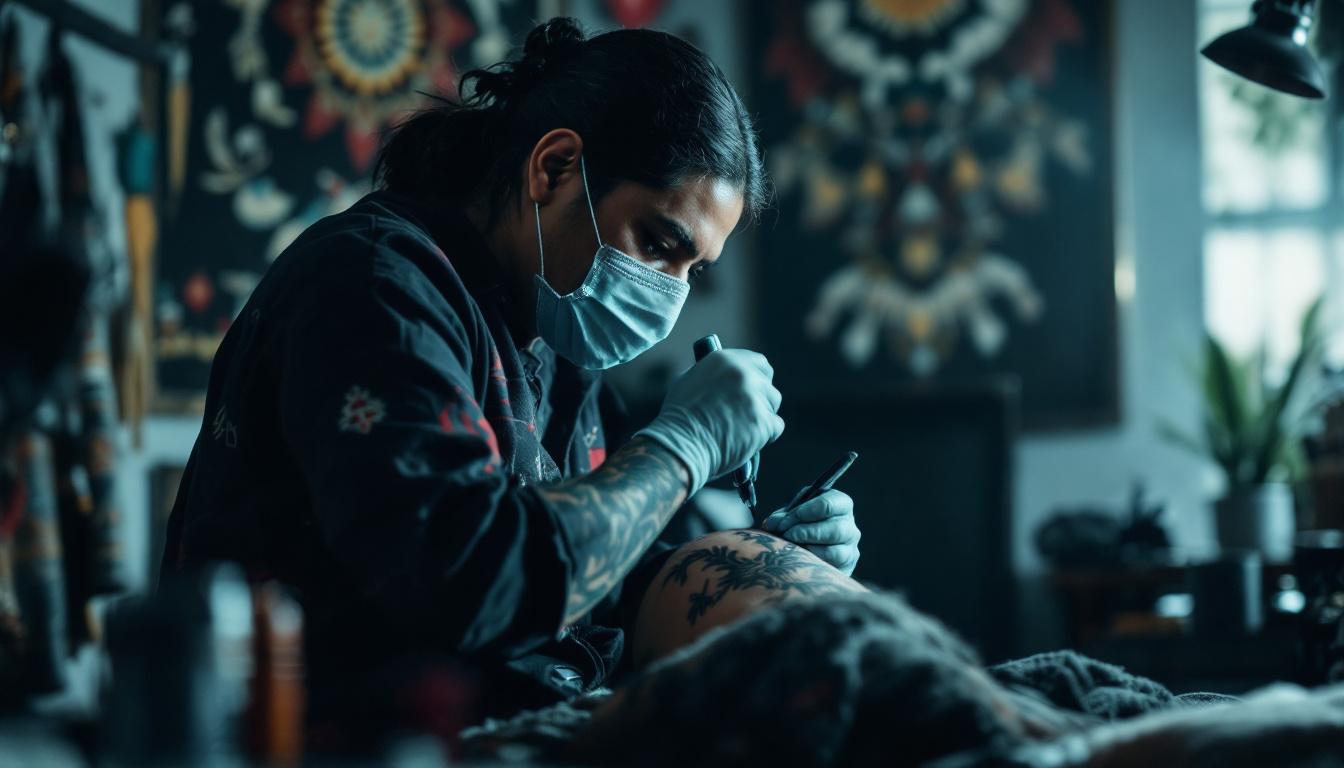
The first glimpse of a 2,000-year-old tattoo tool unearthed from the Turkey Pen site in Utah got folks buzzing. This relic, found at the Crow Canyon Archaeological Center, gives a raw, unfiltered image of how these ancient traditions laid down the first ink marks in the southwestern United States. Rolling with that same kind of raw authenticity, this article takes a straight-up look at Native American tattoo traditions and how steeped in meaning and historical weight they really are. Check out the treasured discovery that kicked off the modern curiosity about these practices.
Native tattooing is more than skin deep. It’s a dive into a history of symbolism, protection, and identity. Across decades and, heck, even millennia, tattooing has evolved into a powerful statement of belonging and spiritual grounding. This story isn’t just about pretty designs, but about a vibrant cultural heritage where every line, dot, or swirl packs a deeper meaning.
The Origins and Evolution of Tattooing Among Native Peoples
The ancient roots of tattooing among Indigenous communities run deep. Archaeological findings-like that 2,000-year-old tattoo tool-highlight that tattooing wasn’t just a trend but a practiced art form, a rite of passage, and a mark of communal identity. It’s wild to think how these tattoos served a dual purpose of beautification and spiritual protection, acting as totems or amulets against harm.
Anthropologist Lars Krutak hits the nail on the head when he explains, "Tattooing, like culture, is constantly changing and has been evolving for millennia" (Smithsonian Institution). This ongoing evolution isn’t just a nod to modern trends but a tribute to enduring traditions that have been handed down across generations. The transformations and adaptations we see today as Native American communities continue to practice and revive these methods are a testament to cultural resilience.
These ancient techniques were part of ceremonial practices, marking the thresholds of adulthood and social membership. In many ways, tattoos were akin to badges of honor-a visible symbol that one had passed into a new phase of life or earned a particular standing within the group. This legacy is still alive today, especially as younger generations tap back into ancestral customs and bring them to contemporary settings.
Reviving Ancestral Practices in Modern Times
There’s been a real resurgence among Native American, Alaska Native, and Native Hawaiian communities. This isn’t just about trends, but about reclaiming lost practices and reconnecting with roots. A growing number of Native communities are returning to traditional tattoo methods, reviving a practice that once defined their identity and spiritual life (Think Before You Ink). The intimacy of the art form-the careful hand and the spiritual precision of each design-brings forth a sense of tradition that is as powerful now as it was centuries ago.

Traditional Native tattooing was never random. The patterns and motifs were handpicked to serve as protective talismans or even as symbols of goodwill. These marks on the skin were sacred, almost like wearable prayers, intended to keep malevolent forces at bay and honor the spiritual realm. Today, that deep spiritual significance merges with modern artistic expression, fostering a unique mix where history meets contemporary art.
In urban settings and smaller towns alike, tattoo artists with a passion for culturally meaningful body art have started to incorporate these symbols and techniques in their designs, handling the process with both respect and innovation. This blend of old and new is transforming the tattoo industry itself, proving that these ancient symbols still resonate powerfully, even in a modern, fast-paced world.
The Cultural Symbols and Meanings Behind the Tattoos
Every line and contour in Native American tattooing can tell a story. For many Indigenous cultures, tattoos carried more than aesthetic value. They were deeply imbued with meaning-ranging from symbols of spiritual protection to representations of individual milestones. When the Ancestral Pueblo people got their ink, it was more than just decoration. Their tattoos signified a deep connection to community and served as clear markers of adulthood and societal standing (ScienceDirect study).
The designs varied according to tribe and individual lineage. Some tribes favored geometric shapes, believed to reflect the patterns found in nature, while others embraced animal imagery, intricately tying the wearer to the natural world. These tattoos often catered to individual experiences, with each design echoing personal journeys, battles, spiritual encounters, or legends passed down through endless storytelling sessions around the fire.
This rich tapestry of symbols isn’t just folklore-it is a deeply personal and communal narrative. The tattoos worked as conversation starters, bridging the gap between generations. They allowed elders to impart wisdom and reminded the younger ones of their place within a vast continuum of heritage and tradition.
The Impact on Modern Tattoo Culture
Modern tattoo enthusiasts are increasingly drawn to the work of Native American artists and the evolving techniques that originate from ancient traditions. Contemporary tattoo parlors around the country have started featuring classic designs infused with the aesthetic sensibilities of Indigenous art. These bold, meaningful symbols aren’t just trendy; they’re a nod to a rich cultural history that underscores the importance of ancestry and self-expression.
Many artists now proudly use traditional tattooing methods as a source of inspiration for their work. This movement not only celebrates cultural heritage but challenges the notion of tattoos as simply a fashion statement. It’s about wearing history on your skin and being connected to practices that have protected and defined communities for centuries. The call to honor tradition while embracing modernity is a powerful one, and it continues to shape the global dialogue around tattoo art.
This modern revival is nicely captured in various industry reports that focus on how Indigenous tattooing practices are influencing today’s art scene (SAPIENS report). Artists and enthusiasts alike are keenly aware that these designs are more than a piece of ink; they’re a tribute to those who paved the way and a reminder that art connects us to our deepest roots.
Tattoos as Protective Talismans and Spiritual Symbols
Early Native American tattooing went beyond decorating the skin. It embraced the idea of safeguarding oneself through symbols that were believed to offer protection against harmful spirits and bad fortune. In many instances, these tattoos acted as powerful amulets, warding off negative energy and marking the wearer as someone blessed with spiritual strength.
Traditional tattoo practices were wrapped in rituals and ceremonies, with each design contributing to a larger tapestry of belief systems. The process, which might involve special rituals and prayers, underscored the sacred nature of the art. Historical accounts talk about tattoos acting not just as aesthetic enhancements but as a shield of spiritual significance (Number Analytics insights).
In many Indigenous cultures, the possibility that a tattoo could function as a spiritual safeguard was taken very seriously. It wasn’t uncommon for tattoos to be etched onto individuals as they reached certain life milestones-celebrations of overcoming hardships, messages of hope, or symbols that served as reminders of one’s connectedness to the cosmos and nature.
Artistic Expression Meets Cultural Identity
These tattoo traditions are defiant declarations of cultural identity. They stand in vibrant contrast to modern trends that favor fleeting, superficial meanings. There’s a cool sense of permanence here; each tattoo is like a chapter in a long-running saga of identity, struggle, and survival. They’re personal and political, marked by a history of colonization and resistance. Native American tattooing represents resilience and the unyielding commitment to preserving one’s heritage against all odds.
This merger of art and identity is particularly compelling in contemporary society, where many are searching for authentic ways to feel connected in a rapidly shifting world. The tattoos not only highlight the aesthetic beauty of traditional designs but also act as anchors in a sea of homogenized culture. They serve as constant reminders of the enduring spirit of Indigenous peoples-a lived legacy that continues to evolve.
Modern Native tattoo artists put their heart into reclaiming the artistry of their ancestors. This isn’t just about making a fashionable mark on the skin; it’s about telling a story of endurance, tradition, and cultural pride-stories passed down time and again through generations.
Stories Carved in Ink: Personal Narratives and Legacy
Every Native tattoo tells its own story. It’s not uncommon for a single design to encapsulate years of history, personal achievement, and communal values. The ink becomes a narrative medium, a visual diary that recounts more than just its visual appeal. It carries within it anecdotes of ancestral heroes, long-forgotten battles, and celebrations of communal rituals.
This form of artistic expression transcends the boundaries of conventional storytelling. Tattoos function as living archives, capturing the essence of a person’s journey and the legacy of their ancestors. The profound connection between the symbols and the individuals who bear them is evident in every carefully drawn line. The transformative power of these tattoos is why many indigenous communities have dedicated themselves to preserving and promoting these practices. They see each tattoo as a testament to survival, belief, and the undying quest for identity.
As more Native American individuals share their personal narratives through tattoos, these markings are slowly gaining respect in the broader realm of modern art. They no longer exist solely in the pages of history books or the margins of archaeological sites but have made their way into contemporary studios and art galleries, where the old and new dance together in intricate patterns of ink and symbolism.
The Ongoing Dialogue Between Past and Present
The revival of traditional tattooing techniques is a conversation between the past and the present-a dialogue where ancient wisdom meets modern creativity. Communities across the United States are reinvigorating a practice that speaks of resilience and deep cultural communion. By choosing to honor these traditions, many Native individuals are embracing a powerful method of self-identification and cultural preservation.
This ongoing dialogue is not just an exercise in nostalgia but a dynamic process of renewing and reinforcing community bonds. The act of getting tattooed using traditional methods is akin to airing one’s personal history out in the open for the world to see-a badge of honor, a mark of resistance, and a celebration of heritage all in one.
It’s refreshing to see the way traditional practices shape modern aesthetics. Traditional motifs and methods are being fused with current tattoo trends to produce designs that are as meaningful as they are captivating. The steady infusion of ancient symbolism into new artistic expressions creates a unique space where history is alive, and cultural identity is continuously redefined. This is not just ink on skin; it’s a lived narrative of triumph, sorrow, and endless hope.
The Future of Native American Tattoo Traditions
Looking ahead, the future of Native American tattoo traditions is as bright as it is challenging. As communities work to preserve their cultural heritage, the fight against cultural appropriation becomes ever more pressing. There is a strong push to respect and understand the origins of these symbols, to ensure that the deep significance behind each design is not trivialized or misused.
With a renewed emphasis on cultural education and safeguarding traditional practices, many artists and cultural custodians are working hand in hand to protect these traditions for future generations. The balance between maintaining cultural integrity and embracing contemporary innovation is delicate, yet promising. The renewed interest in reviving the old ways highlights a collective desire to see these practices not just survive, but thrive in a modern context.
There’s no doubt that the modern tattoo scene owes a whole lot to its Indigenous roots. The ongoing revival demonstrates that these traditions are adaptable yet steadfast-a living, breathing tradition that grows richer with every new generation. By reclaiming their solid heritage, Native communities are not only preserving a beautiful art form but also teaching the world about the power of cultural continuity and resilience.
Honoring the Legacy: A Closing Thought
The art of tattooing among Native American communities is as layered as the very earth these traditions sprang from. It’s a dialogue written in ink-a conversation between the past and the present, filled with stories of triumph, protection, and identity. Each tattoo carries with it an invocation of ancient spirits, a historical narrative, and a relentless pursuit of self-expression.
This exploration of Native American tattoo traditions isn’t just an academic exercise. It’s a look into how art, heritage, and identity intertwine to form a resilient cultural tapestry. The revival of these traditional practices showcases that lowdown truth: our histories are etched in every line and curve, and every mark on the skin is a belt of honor worn with pride.
As the modern world continues to honor these stories, there remains a constant reminder that history is never truly lost-it lives on in every design, every tale spun by elders, and every new trend grounded in respect for those who came before. For anyone keen to dive deeper, a glance at Smithsonian offers some refreshing insights. This isn’t just ink or art; it’s a legacy written on skin, a warm nod to the past and a beacon for the future.
Empower Your Tattoo Artistry with Apprentice
As you honor the rich legacy of Native American tattoo traditions, bring your studio into the future with Apprentice. Our platform is designed to complement the artistry and significance of your work by simplifying the operational aspects of your business. Start your free trial today and experience the synergy of tradition and innovation, ensuring your tattoo studio thrives with efficient scheduling, collaborative design tools, and enhanced client management. Start Free Trial and join the community of artists who are already writing their own history with every tattoo.