

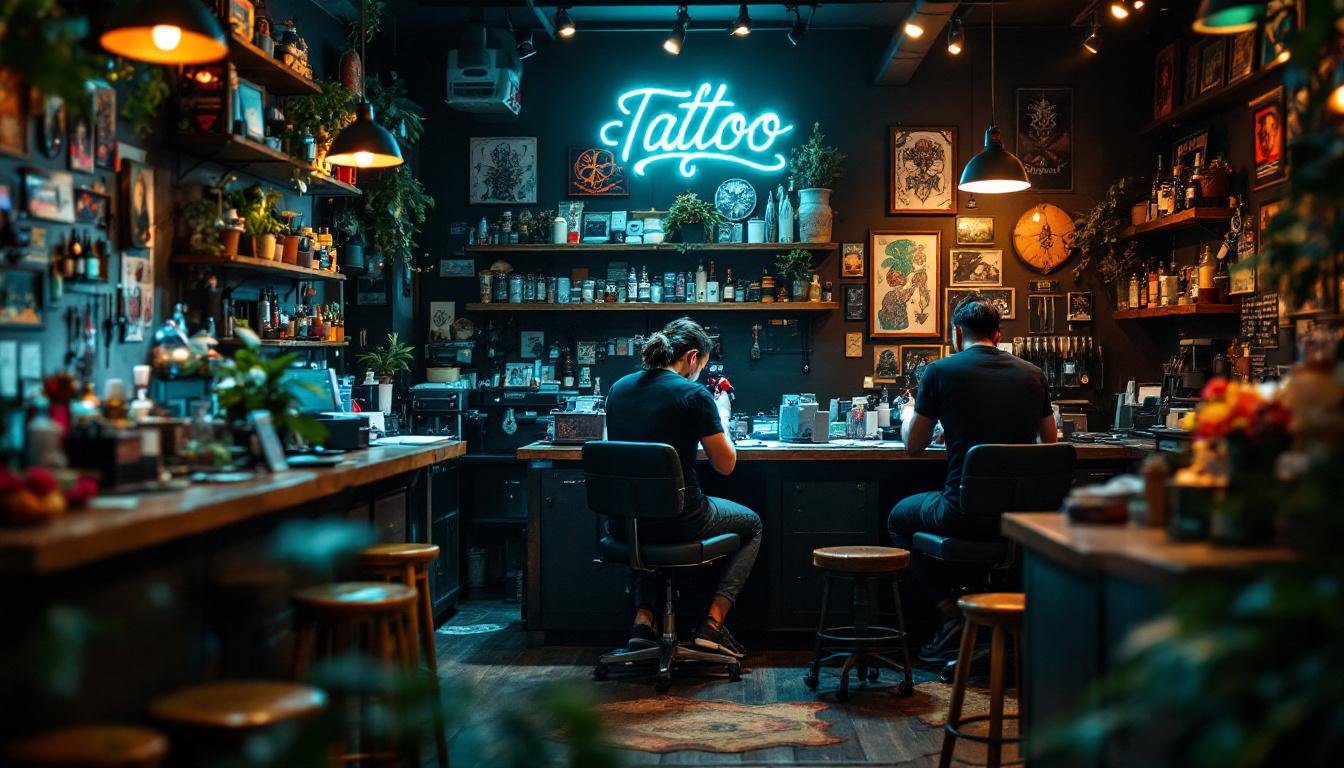
A small, independent tattoo studio in a busy neighborhood recently revamped its website and saw customers line up for appointments. Clear visuals, authentic storytelling, and smart use of social media are driving traffic. This guide explains how to build a website that helps tattoo shops thrive in 2026. It includes insights from industry statistics and expert opinions, such as those from Get Shit Done Marketing.
Keeping the Design Authentic and User-Friendly
The look and feel of a tattoo shop website should reflect the artistry behind every piece. Clean layouts combined with gritty, real-life images are essential. The design must capture the raw spirit of tattoo artistry while ensuring navigation is simple. This contrasts with over-polished designs seen in other industries.
Websites should have fast-loading pages and be mobile friendly. A responsive site increases client comfort. It also builds trust. A straightforward style makes booking an appointment or browsing portfolios effortless.
Recent studies show that engaging designs and user-friendly interfaces can boost customer satisfaction. Consistent branding with easy navigation can be the difference between a one-time visitor and a dedicated client.
Embracing Social Media Integration
Social media is a vital tool for tattoo shops. Stories and short videos give potential clients a peek into the process and personality of the artists. Content platforms like Instagram Reels and TikTok are key to making this work. As noted by Get Shit Done Marketing, shops using these platforms see more engagement.

Embedding social media feeds on your site can help keep visitors updated. A website that features fresh, behind-the-scenes content connects visitors with the vibrant community inside the studio. This connection builds lasting relationships.
Social media integrations bring life to the website. Videos showing the tattoo process and artist interviews lend authenticity to an otherwise static page. This approach makes the website more than just an online portfolio-it turns it into a dynamic extension of the studio.
Responsive Booking Systems and Online Portals
Client convenience is a top priority. A seamless, online booking system can streamline operations when the tattoo studio is busy. A form that captures client details and appointment preferences helps avoid scheduling conflicts. These solutions serve as a digital waiting room, reducing input errors and saves precious time.
Many modern tattoo shops integrate interactive calendars linked to the website. Bookings can then sync with internal systems to manage time slots effectively. This update is vital in a competitive industry.
Some studios even include payment processing options. A secured, built-in payment portal is not just efficient but also builds trust. When clients see their personal information is well protected, they are more willing to complete the booking process securely.
High-Quality Content: Portfolios and Client Testimonials
The core of a tattoo shop website lies in its content. Rich imagery, detailed portfolios, and artist bios create connections that go beyond just needle and ink. Displaying high-resolution images of completed work helps draw new clients while keeping returning customers inspired.
Client testimonials also boost credibility. Honest reviews and shared experiences give potential customers a glimpse into the studio's culture. A detailed portfolio that includes various tattoo styles highlights the versatility and strength of the talent.
Designers and developers should work alongside artists to create pages that tell a compelling story. A website can communicate tradition, modernity, and skill all at once. The inclusion of dynamic elements helps visitors gain insight into the tattoo industry and its transformative effect on personal style.
Search Engine Optimization and Local SEO
Search engine optimization (SEO) ensures that local enthusiasts find a studio's website easily. This type of targeted SEO drives organic traffic. Emphasize keywords that reflect the local flavor and the unique style of the artist. A website with strong local SEO is like a billboard in the digital space.
Local business directories often list tattoo artists and studios. Proper integration of these listings enriches the online presence. This is vital when over 32% of American adults have some form of tattoo and are actively searching for reputable studios, as noted in industry reports from ResearchAndMarkets.com.
Relevant, locally optimized content and backlinks are great aids to ensure the website appears in local searches. When prospective clients search for tattoo shops using phrases like "best tattoo studio near me," the website should be prominently visible. This level of optimization drives both awareness and trust.
Integrating Modern Technologies
Technology is advancing rapidly. Tattoo shops have begun adopting new digital trends. The rise of temporary as well as digital tattoos is one recent development. In June 2025, a notable partnership was forged between Inkbox and Ephemeral Tattoo, aimed at developing a digital-to-physical temporary tattoo platform, as reported by WiseGuy Reports.
This integration offers a new experience to clients. A website that supports virtual try-ons can help users preview designs and placement. Such tools offer a competitive edge for studios looking to innovate while staying true to the art.
The blend of physical tattooing and digital previews combines creativity with technology. Innovative technologies such as augmented reality can provide clients with a preview of the final artwork. While it might seem like a high-tech solution, it helps reduce customer uncertainty and increases conversion rates.
Crafting a Compelling Brand Narrative
A tattoo is more than skin deep. It often tells a personal story. A website should mirror this depth by sharing the studio's journey. Behind-the-scenes videos, artist interviews, and detailed blogs allow visitors to engage with the brand story meaningfully.
Elements such as studio history or stories behind signature styles enhance credibility. Content should be authentic and provide context about what makes each artist unique. This narrative aesthetic appeals to clients who see tattooing as a lasting art form rather than a temporary trend.
Integrating interactive features like video tours or blog sections discussing new trends makes the website engaging. Tattoo enthusiasts value transparency and a personal touch, which help foster a deeper connection between the studio and its audience.
Prioritizing Security and Data Protection
In an era when data breaches are common, security cannot be overlooked. Tattoo studios store sensitive client information, including photos and service preferences. Ensuring that a website adheres to data protection practices is a must.
Secure payment gateways, encrypted databases, and regular security updates protect customer data. Clients need to feel safe when sharing personal details online. A commitment to these practices fosters trust and long-term loyalty.
Regular updates to website software help prevent vulnerabilities. Tattoo shop websites should always operate on the latest frameworks. This approach protects the reputation of the studio and ensures a robust user experience across devices.
Adapting to Industry Trends in a Competitive Market
The tattoo industry is thriving. It remains a multi-billion dollar market with significant growth expected over the coming years. The global tattoo market was valued at approximately $1.7 billion in 2022, according to WifiTalents. This trend highlights the opportunities for studios that invest in quality digital experiences.
As technology and design trends evolve, staying informed helps tattoo shops update their digital presence. Embracing modern website features and integrating new technologies produces a dynamic client experience. Audiences today expect seamless functionality combined with artistic expression.
Investing in research and creative content ensures that the website remains fresh. As the market grows at a projected compound annual growth rate of 9.7% from 2026 to 2033, studios that innovate today will be well-positioned for tomorrow's challenges and opportunities.
Monitoring Performance and Gathering Feedback
Any website is a living asset. Regular analysis of visitor behavior and engagement informs the next steps in growth. Analytics tools help track page views, time on site, and conversion rates. This information is useful when tweaking content or updating design elements.
Feedback tools can also provide insights into client satisfaction. Surveys and online reviews offer a glimpse of what visitors appreciate and where improvements are needed. Establishing clear metrics for success is essential for continuous improvement.
The ongoing monitoring of performance metrics leads to more focused marketing efforts. Fine-tuning the online experience ensures clients return time and time again. This data-driven approach cements the studio's online reputation as trustworthy and innovative.
Leveraging Mobile Platforms and Enhancing Accessibility
Many visitors access tattoo shop websites from mobile devices. Optimizing for mobile usage is no longer optional. Clean layouts, touch-friendly navigation, and accessible content are crucial components that enhance the user experience on smaller screens.
Accessibility also means accommodating visitors with disabilities. Text alternatives for images, accessible forms, and proper color contrast are more than just best practices-they are a commitment to reaching all potential clients. A mobile-friendly, accessible site shows respect for a diverse audience.
Ensuring the site loads quickly across various devices reduces bounce rates. When a tattoo shop's website is approachable and easy to use, it projects a professional image and helps build customer trust. Responsive design and accessibility practices can be a competitive differentiator in a crowded market.
Using Analytics and Emerging Feedback Channels
Digital marketing is an evolving art. Tattoo shop owners must be ready to adapt based on analytics and direct feedback. Studying website metrics can reveal which sections are most engaging and which need improvement. Monitoring trends helps inform marketing and content strategies.

In addition to standard analytics, emerging feedback channels like interactive live chats can provide a more human feel to the website. Connecting with potential clients in real time builds rapport and helps answer common questions before an appointment is booked.
Regularly updating content and incorporating visitor responses calls for community involvement. As feedback flows in, refining the site's features ensures a better experience for all. This cycle of continuous improvement helps set up a website for long-term success in a competitive market.
Conclusion: Combining Art, Technology, and Community
Building a tattoo shop website in 2026 is about blending art with technology. It is about listening to the audience and showing off the studio's unique personality. The result is a digital space that matches the passion and creativity of the artists inside the studio.
A website should tell a story. It connects potential clients with the craftsmanship behind each tattoo and the vibrant culture that supports it. When the design, content, security, and social media integrations work together, a shop's online presence can help build lasting client relationships.
By focusing on clear design, rich storytelling, and advanced yet accessible technology, tattoo shops can stand out in a competitive landscape. As trends continue to evolve, staying true to the art while embracing new tools creates a loyal online community. The journey of a tattoo is personal, and the website should be the canvas that captures its evolution in a digital world. See the trend and analysis firsthand from resources like industry statistics to appreciate how design and digital strategies continue to shape the world of tattooing.
Take Your Tattoo Studio to the Next Level with Apprentice
Ready to transform your tattoo shop's digital presence and management? Apprentice is here to help you master the art of efficiency with our all-in-one platform. From streamlining appointment scheduling to leveraging AI for design collaboration, we've got you covered. Elevate your studio's experience for artists and clients alike. Start your free trial today and join the community of studios harnessing the power of Apprentice to thrive in the digital age.