


The buzzing sound of the tattoo machine, the striking flash of needles meeting skin, and a legacy that’s as vivid as the art itself define the legend of Amund Dietzel. Right from the gritty streets of Milwaukee to the walls of fine art museums, Dietzel’s influence never fails to leave an impression. This ain’t your run-of-the-mill narrative-it’s the tale of a true pioneer whose story is woven into the fabric of tattoo culture. Check out his detailed profile on Wikipedia to see where it all started.
A familiar name in the annals of tattoo history, Amund Dietzel tattooed tens of thousands of people between 1913 and 1967. That’s a lifetime of ink, passion, and raw talent that redefined what tattoos meant to everyday folk. The impact of his work is felt even today, largely due to the traditional and old school tattoo style he popularized over the decades.
The vibe in Milwaukee changed once Dietzel stepped behind his tattoo machine, and every stroke of his needle told a story of rebellion, artistry, and deep cultural roots-a tale echoed on the canvases of modern galleries.
The Early Days of a Tattoo Legend
It wasn’t all smooth sailing for Dietzel. Tattooing back then wasn’t just about art-it was a daring act, often frowned upon by the mainstream. In a city like Milwaukee where working-class grit meets the desire for expression, Dietzel’s work resonated with folks who craved a bit of outlaw glamour. Scars became symbols, each tattoo a badge of honor stamped for life.
Between the years 1913 and 1967, Dietzel left his mark, literally, on tens of thousands of people. That statistic speaks volumes about the trust people had in his skill and style. With every design, he balanced tradition with innovation, creating a body of work that not only drew crowds but also inspired countless tattoo artists to pick up the needle.
There’s a sense of romanticism attached to that era. Back then, each tattoo session was intimate, a mix of defiance and self-expression, a personal moment shared between the artist and the client. Dietzel’s life and legacy have been captured in depth by local tattoo legends like Jon Reiter, whose work profiles the intricacies and uniqueness of Dietzel’s career. For more on his early exploits, Jon Reiter’s insights are a must-read.
The Tattoo Machine as a Time Capsule
Harnessing the Old School Vibe
Remember those days when the tattoo machine was the ultimate tool of defiance? Dietzel’s work is a testimony to that golden era. His skillful use of heavy black lines paired with bold designs created a style so distinct that it’s now recognized as the cornerstone of traditional tattooing. When people talk about “old school” tattoos, a big shout-out goes to Dietzel’s innovative style and his daring attitude.
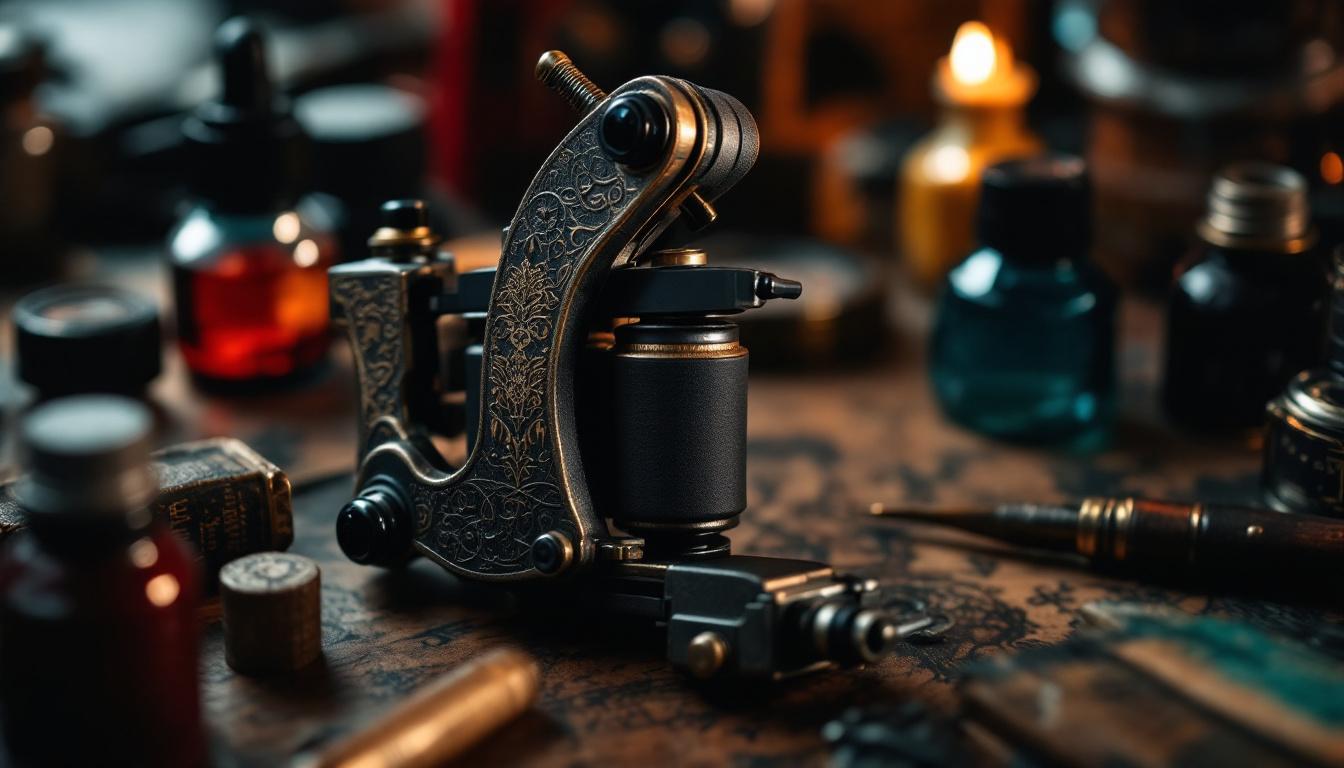
This isn’t just nostalgia; it’s a style that still influences modern tattoo artists today. Musicians, bikers, and even everyday individuals looking for a meaningful story inked onto their skin trace their inspiration back to pioneers like Dietzel.
Local legends say that his designs, which numbered over 5,000 throughout his career, aren’t just art-they’re cultural time capsules. Each design carries the weight of a different era, echoing the sentiment of a time when getting inked was more about personal conviction than fleeting trend.
Reverberations Through Time
The resonance of Dietzel’s work extends beyond the realm of body art. In 2013, the Milwaukee Art Museum curated its first tattoo art exhibition, “Tattoo: Flash Art of Amund Dietzel.” This wasn't just a festival of tattoos; it was a full-on tribute to a man who forever altered the tattoo landscape. The museum context transformed his work from everyday scribbles into celebrated art pieces.
This exhibition put Dietzel’s contributions under a refined spotlight-an acknowledgment of his role in giving tattoos a prestigious place in the art world. The contrasts between gritty street culture and refined gallery settings made this a groundbreaking event. It’s a reminder that art often springs from the most unexpected places, and a humble tattoo machine can paint masterpieces on human skin.
This historical exhibition at the Milwaukee Art Museum is a must-see for those who want to experience firsthand how a fringe art form crossed over into the mainstream art arena.
An Insider’s Look at Dietzel’s Impact
Dig into the roots of Milwaukee’s tattoo scene, and you’ll find Dietzel’s fingerprints all over it. His impact goes way beyond just adding color or shape to skin. It’s about a lifestyle, a movement, and a deep cultural narrative that ties traditional art to modern expression.
Local tattoo artist Jon Reiter explores this narrative in his two-volume study, "These Old Blue Arms: The Life and Work of Amund Dietzel." His work dives deep into the man behind the myth, revealing the human side of tattoo artistry. It’s not just about ink or design; it’s about capturing a spirit that exudes determination and raw creativity. Reiter’s writings often remind tattoo enthusiasts that every piece of art tells a personal, unfolding story-one that is etched permanently on another’s body.
The sheer number of designs crafted by Dietzel-over 5,000 unique tattoos-stands as evidence for his technical mastery and innovative spirit. This statistic isn’t just a number; it's a testament to the relentless work ethic and creative energy that fueled his long career. Such prolific output is practically unheard of in any artistic medium, making Dietzel a true icon in the annals of tattoo history.
Cultural Influence and Modern Resonance
Bridging Past and Present
The story of Dietzel isn’t confined to dusty history books or old photograph albums-it’s alive and kicking in today’s tattoo parlors. The traditional tattoo style, with its bold lines and timeless imagery, continues to be a major influence for many contemporary artists. His legacy is woven into modern tattoo culture, and new artists often cite his work as inspiration for their own creations.
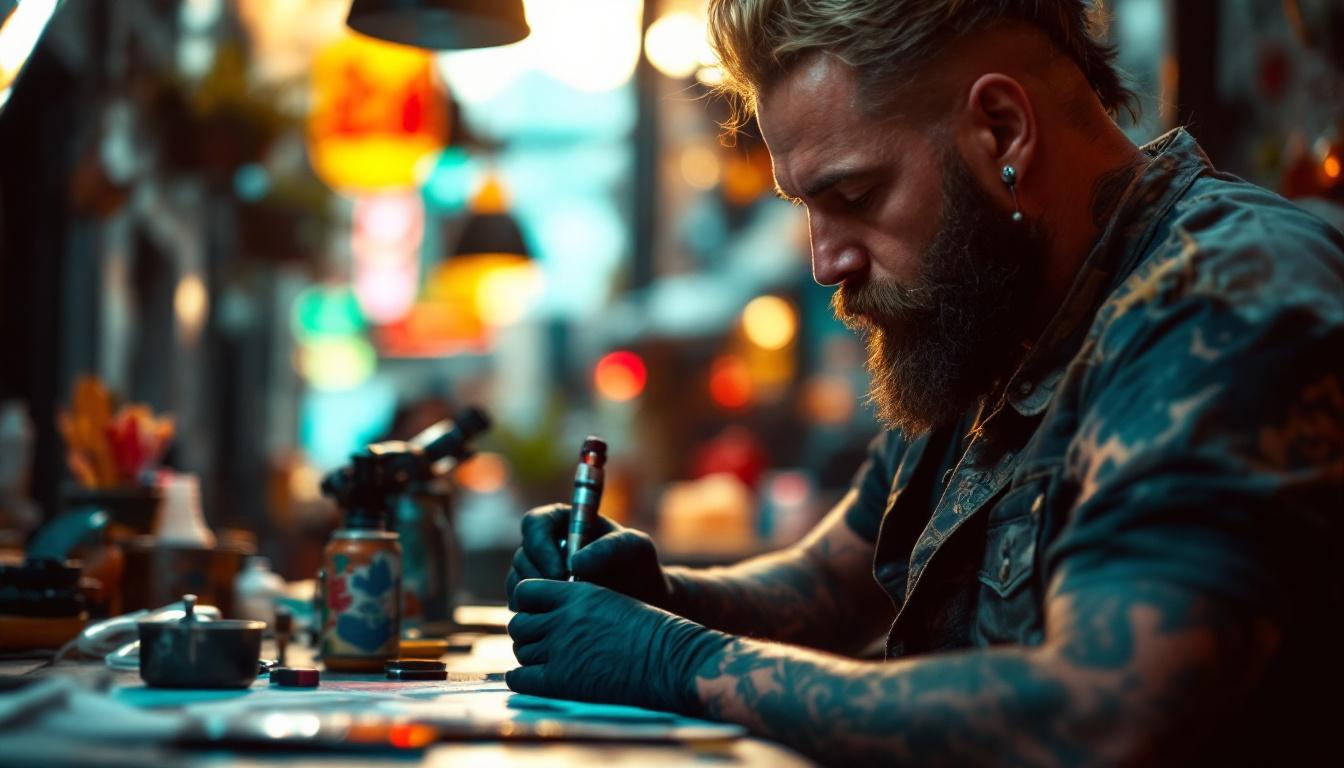
In fact, it’s not uncommon to find tattoo studios boasting of Dietzel-inspired designs. People still venture into ink shops seeking that old school feel, invoking the spirit of a time when tattoos were raw statements of individuality. The narrative of the tattoo machine as a work of art still resonates with those who are drawn to stories of rebellion and defiance in art. His designs have become a sort of shorthand for authenticity and grit.
Anthropologist Dr. Lars Krutak helped spotlight this influence by curating the "Tattoo: Identity Through Ink" exhibition. The show explored Dietzel’s impact on tattoo culture and highlighted how tattooing transcends simple decoration. For those curious about the cultural ripple effects of Dietzel’s work, the exhibition featured at the American Swedish Historical Museum offers a deep dive into the interplay between identity and ink.
Living Testimony of a True Art Movement
Dietzel’s influence is best remembered in the small details that define the traditional tattoo style. Bold outlines, minimal shading, and a clear statement of form are what one expects when encountering his work, and these elements are still prized in the community today. His commitment to quality and innovation raised the bar, inspiring an entire generation to appreciate the beauty of inked art as a powerful storytelling medium.
Every tattoo, from a delicate heart to a fearsome skull, tells a story-a story that bridges the gap between personal history and collective memory. His legacy reminds future generations that art has the power to be both transient and eternal, that the temporary pain of a tattoo session can evolve into a permanent testament of life lived on one’s own terms.
This living tradition connects the dots between past and present, ensuring that Dietzel’s bold artistic voice continues to inspire and transform. His methods and designs become guidelines for artists who wish to balance tradition with personal flair, proving that his work isn’t just historic; it’s a vibrant part of tattoo culture today.
Modern Tributes and Celebratory Exhibitions
The art world loves a good comeback story, and Dietzel’s work certainly fits that bill. His legacy has been celebrated in notable exhibitions, turning what was once considered counterculture into celebrated historical art. For instance, the 2013 exhibition at the Milwaukee Art Museum transformed his flash designs into celebrated art pieces, allowing a new generation of museum-goers to appreciate the artistry behind every ink stroke.
It’s the same vibe as exploring an old-school jazz record-each note, scratch, and nuance tells a story of a bygone era while still reverberating with the pulse of today. The renewed attention given to Dietzel’s craft in modern exhibitions has shifted perspectives. Instead of being labeled as mere “body art,” tattoos are now recognized as a legitimate art form, and Dietzel’s work is at the center of that discussion.
Experts in the tattoo world now draw parallels between his work and that of other revolutionary artists who challenged conventions. His influence is often highlighted in discussions about the transformation of tattooing into a respected art form-a noteworthy evolution that combines grit, history, and unabashed expression.
Deep Roots in the Community
Milwaukee isn’t just a city; it’s a hotbed of cultural evolution, and Dietzel’s legacy runs deep here. The pulse of the city beats to the rhythm of those inking stories on skin, and Dietzel’s art is a major part of that rhythm. His style, his techniques, and his stories echo in the small tattoo shops tucked away in urban alleys and the buzzing parlors in busy neighborhoods throughout Milwaukee.
This connection is one of the reasons why his impact extends beyond the art itself-it’s about community, identity, and pride. The local stories, the whispered legends and myths of Dietzel’s work, have created a living, breathing tradition that enriches the local culture. Milwaukee remains, to this day, a pilgrimage site for tattoo enthusiasts, a living museum of resilient artistic spirit.
The cultural intimacy of the tattoo scene in Milwaukee is celebrated not just in exhibitions but also in community gatherings, where the legacy of Dietzel is recounted with reverence. His stories are retold by tattoo artists who still keep alive the principles he championed, solidifying his place as an unsung hero who helped shape an art form into something extraordinary.
The Unending Journey of Tattoo Artistry
Innovation in a Time-Honored Tradition
In the chaotic mix of form, tradition, and modern innovation, Dietzel’s work occupies a rare space. His groundbreaking techniques of designing over 5,000 tattoo pieces have not only set a high standard but also paved the way for artists to explore new artistic dimensions. Every line etched in his designs speaks of persistence and raw skill-a testament to a lifetime dedicated to perfecting the art of tattooing.
This isn’t just a history lesson-it’s an ongoing narrative where the old meets the new. Modern tattoo artists are constantly influenced by the charm of the traditional style, merging it with contemporary techniques to craft something entirely unique. The interplay between classic designs and modern executions is where tattoo artistry finds its endless canvas of exploration.
Innovation coupled with dedication continues to drive forward the art form, just as Dietzel did decades ago. Every new artist who leaves his or her mark on the skin is, in a small way, paying homage to the pioneer who dared to engrave his vision on countless empty canvases.
A Cultural Marker and a Source of Inspiration
There’s something poetic about how a tattoo stays with you forever, much like the undying influence of Amund Dietzel. The cultural markers within his work have evolved from being mere aesthetics to symbols of identity, rebellion, and sheer determination. For many, wearing a design inspired by his work is more than personal taste-it’s a badge of honor that ties them to a rich history of artistic defiance.
This inspiration is evident in tattoo parlors where discussions about technique, style, and legacy are a daily ritual. When asked about the influences behind his own work, many contemporary tattoo artists mention the bold, no-nonsense style that Dietzel popularized. His legacy serves not only as a historical reference but also as a blueprint for creative expression that meshes past experiences with modern realities.
For anyone looking to understand the essence of tattoo culture, stepping into a parlor often means stepping into a living tribute to pioneers like Dietzel. From the intricate flash designs that capture life’s memorable moments to the raw energy pouring out of every fresh tattoo session, it’s apparent that the spirit of Dietzel’s innovation is alive and well.
The Everlasting Impact on Today’s Tattoo Culture
Looking around modern tattoo hubs, it’s impossible not to see echoes of Dietzel’s work. His designs and methodologies have been revived and reinterpreted in countless ways, proving that a true pioneer never really fades away. The art of tattooing continues to evolve, yet the foundations laid by Dietzel remain a touchstone for authenticity and flair.
The bridge from his century-old designs to modern urban tattoo studios is bridged by the shared love of art, story, and a rebellious spirit. It’s this shared passion that drives both the outlaws of ink and the darlings of high art to experiment-merging the traditions of yesterday with the possibilities of tomorrow.
Each tattoo session today carries an undercurrent of history-a reminder that every design is built on the legacy of those who dared to put their hearts and souls into body art. His influence is a testament not only to the power of creative expression but also to the enduring impact of those innovative artists who refuse to be forgotten. It’s like a never-ending conversation between the past and the present, and Dietzel is always the guest of honor.
Honoring a Tattoo Icon in Contemporary Culture
Every time a new tattoo artist picks up a needle, there’s a spark of remembrance for the trailblazers who paved the way. Dietzel is a name that still turns heads, and his techniques continue to inspire a generation eager to push boundaries while honoring tradition. The stories circulating on the streets and in whispered nods during tattoo sessions capture the magic of a time when tattooing was raw, unfiltered, and entirely authentic.
Modern exhibitions like the American Swedish Historical Museum’s display of tattoo culture beautifully illustrate how Dietzel’s influence ripples through time, connecting a century-old tradition with the creative energy of today’s tattoo scene. This interplay of old and new cements his status as an icon whose work continues to provoke thought and ignite passion.
Celebratory events, community art shows, and reinterpretations of his classic designs are just a few ways tattoo enthusiasts keep his memory alive. It’s not simply about replicating a style; it’s about engaging with the spirit and energy that the man behind the needle possessed. His legacy is an ever-evolving part of contemporary culture, a story that modern artists continue to write with every stroke of their own needles.
Dietzel’s Legacy: More Than Just Ink on Skin
The legacy of Amund Dietzel is as layered as the ink on his countless clients. His work transcends the physical; it has become a cultural artifact that documents the evolution of individual expression and collective identity. From the early days in a gritty Milwaukee shop to revered museum halls, Dietzel transformed every tattoo into a narrative of personal rebellion and intricate artistry.
His story reminds us that art is not confined to neat frames and sterilized galleries-in many ways, it lives on in the creases of a well-worn leather jacket, in the scars that tell tales of joy and sorrow, and in each carefully picked design that offers courage to those who wear it. Dietzel’s journey is a tale of defiance, a colorful chronicle of creativity that continues to echo across generations and borders.
It’s a legacy celebrated not merely through photographs or museum placards, but through the living, breathing culture of tattooing. Every flash sheet and every bold design is a nod to the impact of his work-a mark that has carved a niche in both art history and the hearts of those who believe in the unyielding power of self-expression.
Conclusion: Embracing the Spirit of the Pioneer
When stepping into a tattoo parlor or admiring a piece of traditional flash art at a museum, remember that each design is more than just ink-it’s a legacy. Amund Dietzel’s contributions to the craft remind us that art thrives on individuality, rebellion, and a refusal to conform to the mundane. His style, etched into the annals of tattoo history with over 5,000 designs, represents an era where stories were told with a needle and a bold vision.
This deep-seated influence fosters a culture where every tattoo has a tale-a story of defiance, passion, and the undying pursuit of artistic expression. Dietzel’s work continues to serve as a guiding light, transforming the narrative of tattooing from something merely temporary to a timeless art form that echoes through the corridors of history.
The journey of tattoo culture is ongoing. Yet, in every new design that takes shape on skin, there lies a piece of Dietzel’s spirit-a reminder that artistry knows no bounds and that legends are born from a relentless love for the craft. Pay homage to the past, celebrate the present, and let every inked story serve as a tribute to the enduring legacy of this tattoo pioneer.
The legacy of Amund Dietzel is an ongoing conversation between eras. Navigating through the colorful narrative of his life, his work has left an indelible mark on the community and on the art form itself. Whether displayed in prestigious exhibitions or recounted over a cup of coffee in a cozy Milwaukee bar, his influence continues to inspire and challenge the norms of art.
For those looking to explore more about the incredible journey of this tattoo icon, a deep dive into works like Jon Reiter's "These Old Blue Arms" reveals layers of inspiration and craft that remain relevant today. His profound impact on tattooing is felt every time a needle meets skin, bridging the gap between rebellious pasts and the innovative artistic expressions of today.
As the ink settles and history etches another chapter, the story of Amund Dietzel lives on-a true testament to a warrior artist whose work forever altered the tapestry of tattoo culture. Stay bold, stay original, and keep celebrating the vibrant heritage of tattoo art.
Join the Revolution with Apprentice
In the spirit of Amund Dietzel, a pioneer who transformed the tattoo landscape, your studio too can embrace innovation with Apprentice. Revolutionize your tattoo business by streamlining your operations, from appointment scheduling to client management, with our comprehensive suite of tools. Enhance your artistic collaboration with AI-powered design features and create experiences your clients will cherish. Embark on this journey of transformation and start your free trial today to carry forward the legacy of tattoo artistry into the future.