

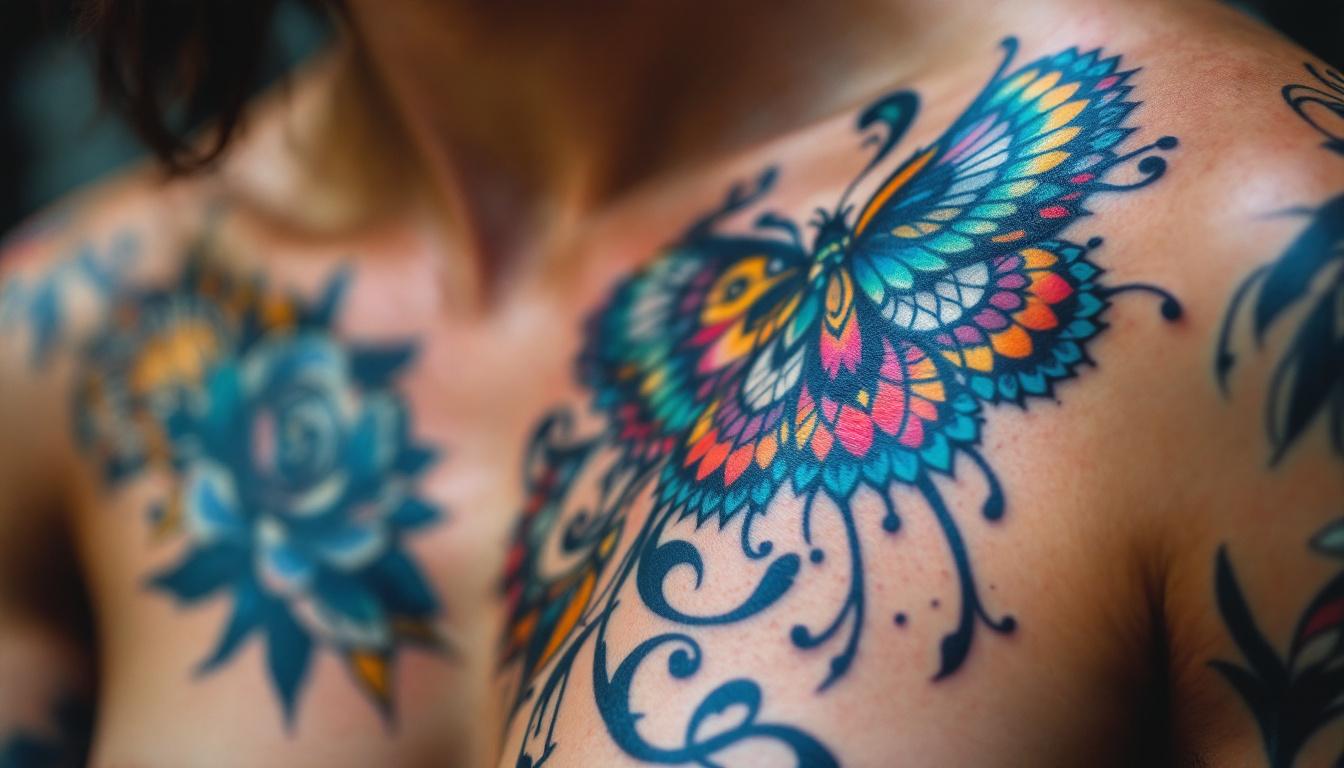
The art of tattooing relies heavily on visual storytelling. Many studios now share detailed pictures of their work online. Yet, a crucial aspect is often missing: properly describing these images so they are accessible to everyone. For example, only 26% of websites consistently use alt text for images, leaving many visually impaired users and search engines at a disadvantage (Amra and Elma).
Accurate alt text connects the creativity of tattoos with the accessibility needs of all viewers. Without accurate descriptions, visitors might miss the intricate details of a tattoo design, and search engines might not index the content correctly. This guide explores best practices for alt text in tattoo images, focusing on clarity, brevity, and context.
Understanding the Importance of Alt Text in Tattoo Imagery
Alt text is more than a technical requirement. It bridges the gap between a visual masterpiece and those who rely on screen readers. Tattoo images often use layered designs and subtle color shifts. Explicit alt text helps to explain these nuances. It provides critical context that might otherwise be missed, especially by those with visual impairments.
Research shows that many websites fall short in this area. A recent statistic reveals that just 26% of websites consistently write alt text for images (Amra and Elma). Without alt text, the unique artistry of tattoo work becomes inaccessible to a significant segment of the audience.
Additionally, proper alt text enhances search engine optimization. Defined descriptions help search engines understand page content, which can improve a studio's online visibility. Consequently, tattoo artists can attract a broader audience if they follow best practices.
Essentials of Crafting Clear and Concise Alt Text
The standard for alt text is simplicity and clarity. Experts advise keeping descriptions short and under a certain character limit. One widely referenced recommendation suggests that alt text should be concise and objective, often around 240 characters, though concise alternatives under 125 characters work best for many viewers (Writing Effective Alternative Text for Images).
When describing tattoo images, detail matters. For instance, mention the style of the tattoo, its placement, and unique design elements. A good alt text description may read: "Intricate black and grey tribal tattoo on the left shoulder featuring interwoven patterns." This description highlights not only the design but also the visual complexity.
Effective alt text is balanced. While it should not be excessively detailed, it needs to capture the special aspects of the tattoo. The goal is to represent the visual content without overwhelming the reader with unnecessary details.
Guidelines for Writing Effective Descriptions
Specific rules help ensure that alt text is both helpful and accessible. The primary guideline is to keep it factual and to the point. Overly long or repetitive descriptions can lead to confusion, as noted by accessibility experts (A11y Idaho).
Each alt text should serve a unique purpose by providing unique context. Avoid generic phrases like "tattoo" without specifying details. Instead, spell out the visual elements that make the tattoo unique. This method not only benefits users relying on screen readers but also aids search engines in categorizing the image.
Conciseness paired with clarity is the key objective. For many images, engaging and accurate alt text is under 125 characters. However, when necessary, clear guidelines suggest using up to 240 characters to fully capture intricate design features.
The Intersection of AI and Alt Text Generation
Advancements in AI are making significant strides in improving accessibility features. Tools like AltGen drive efficiency. This AI has been reported to reduce accessibility errors by as much as 97.5% in alt text generation (AltGen: AI-Driven Alt Text Generation for Enhancing EPUB Accessibility). The integration of such technology ensures that tattoo images are accompanied by well-crafted and consistent alt text.
AI plays a key role in both saving time for studios and ensuring that high standards are met. These tools analyze the image details and suggest descriptive text that aligns with best practices. While human oversight is still critical, AI tools are valuable assistants in a digital environment where efficiency is paramount.
AI-generated alt text can provide a base-level description that tattoo artists or web managers can then tweak. This workflow helps maintain consistency and speeds up the production process without sacrificing quality.
Balancing AI with Human Creativity
Despite impressive technological improvements, the human touch remains essential. Tattoo images are a blend of art and emotion, often telling personal stories. AI may not always capture the subjective elements that make each tattoo unique. Therefore, a review of the AI-generated text is necessary to ensure genuine representation. Combining AI efficiency with human insight ensures alt text is factual and deeply connected to the art.
Practitioners in the tattoo industry have noted that integrating AI with manual checks results in fewer accessibility issues. Studios that adopt AI tools often see a positive impact on user engagement, thanks to more accurate and accessible content.
This blend of technology and human judgment emphasizes that while tools like AltGen are game changers, they are not replacements for thoughtful, concise documentation.
Tailoring Alt Text to the Tattoo Industry
Tattoo images are unique. They can be bold, subtle, colorful, or monochrome, and their meaning often goes beyond the visible design. When crafting alt text, consider the style, placement, and symbolism in the tattoo design. Detail what sets the tattoo apart. For example, an image showing an abstract watercolor tattoo should have text referring directly to its visual style and artistic elements.
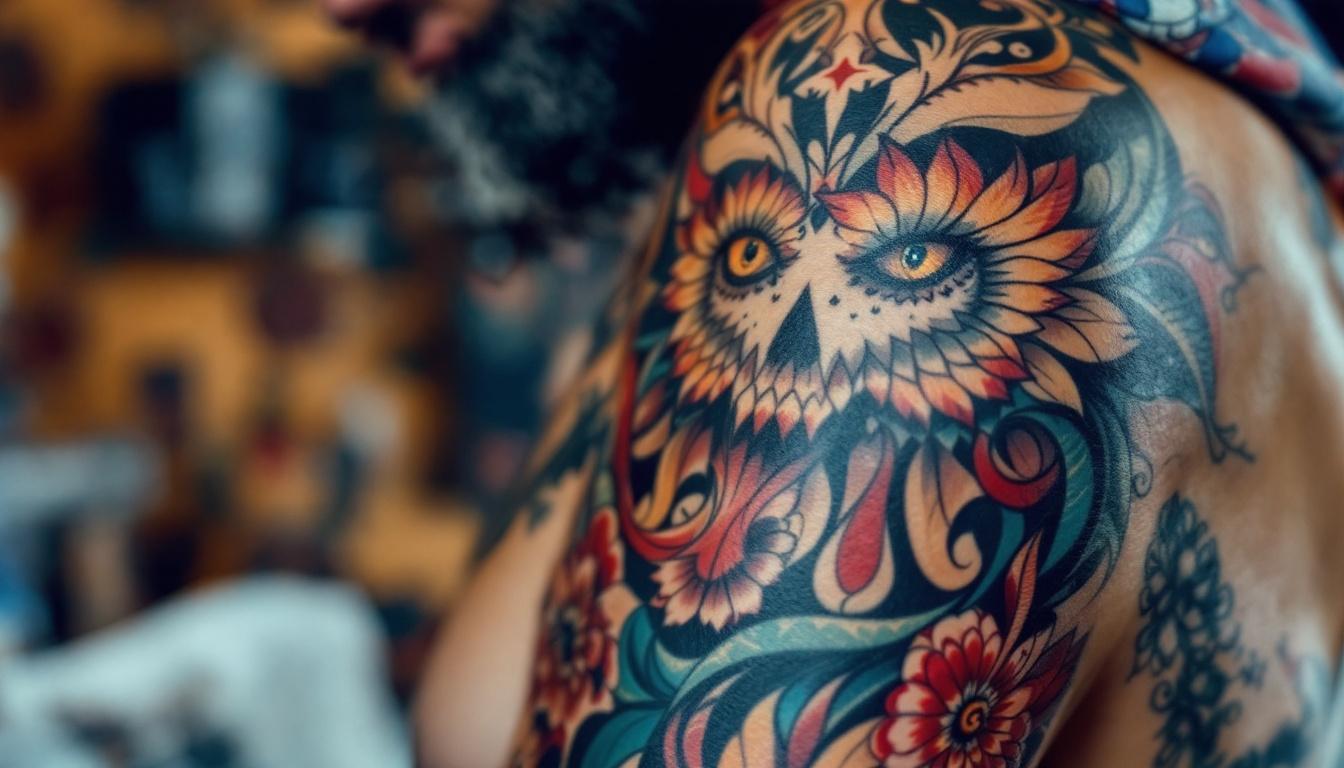
A clear, well-crafted description allows a broader audience to appreciate the intricacies of tattoo art. Some studios use alt text not just for compliance, but to create engaging narratives around their work. These narratives can deepen appreciation of the art form.
Proper descriptions also enhance SEO benefits. When descriptions are tailor-made for each image, search engines are more likely to rank the images effectively, steering organic traffic to the artist’s portfolio. Using accurate alt text is a small investment that yields significant rewards in both accessibility and search engine ranking.
Integrating Studio Storytelling with Accessibility
Many tattoo studios thrive on their unique stories. Each design often has a background or message that resonates with clients. While alt text must maintain simplicity and brevity, it can subtly hint at the tattoo's inspiration. For instance, an alt text might include reference to the cultural or personal symbolism behind the design without becoming overly narrative.
This balance between storytelling and straightforward description makes tattoo alt text particularly challenging. Capturing the emotional and aesthetic value of the tattoo in a few sentences requires precision and creativity. The aim is not to retell the entire story, but to offer enough detail to ensure the image's essence is not lost.
Accurate alt text encourages deeper engagement and supports platforms where users may depend solely on textual content to grasp the artwork's significance.
Best Practices for Implementing Alt Text Across Platforms
Applying alt text effectively means thinking about where and how tattoo images are published. While websites are a primary platform, social media also plays a major role for tattoo studios. Research indicates that only 25% of publishers use alt text on social media images (InternationalBunch), suggesting a gap in accessibility practices.
For studio websites, alt text is often applied via content management systems or through regular website updates. Social media platforms, however, may require a manual approach. Each image posted deserves thoughtful text that describes the visual content. This practice enhances accessibility and helps improve the studio's reach to a diverse group of people.
When posting images to platforms like Instagram or Facebook, studios should allocate time to write alt text that is as descriptive as possible within the limitations of each platform's interface. The consistency between website alt text and social media descriptions frequently reflects the studio's commitment to digital inclusivity.
Practical Tips for Social Media Optimization
Start by reviewing each image before publication. Note elements like the tattoo's design, colors, and any distinctive features. Short, to-the-point alt text works best for social media channels. For example, "Vibrant geometric tattoo on the forearm with bold lines" gives a compact yet clear depiction of the image.
Use the same principles as with website images. Be concise, prioritize important details, and focus on context. Doing so not only ensures compliance with accessibility standards but also improves the overall searchability of the post.
Studios that invest time in these details often observe more engagement from followers and a more inclusive community. Consistency in alt text quality across platforms builds trust and reinforces a reputation for professionalism.
Adapting Alt Text for Different Tattoo Styles
The tattoo industry is rich with variety. Traditional, tribal, watercolor, neo-traditional, and minimalist styles all call for tailored approaches in alt text description. Each style carries its own visual cues. The chosen style dictates the descriptive approach. For example, a traditional tattoo might emphasize bold outlines and classic motifs, while a watercolor design may highlight subtle gradients and a free-flowing composition.
Consider the context behind the tattoo style. A design with historical or cultural significance might require an additional note about what elements make it traditional or culturally unique. A minimalist style could simply describe clear lines and small symbols.
Descriptive alt text should serve as a bridge between the artistry and the technical details. It must be tailored to match the visual style, ensuring that regardless of the design, viewers receive a consistent level of informative content with every image.
Examples and Approaches
For a neo-traditional tattoo, an effective alt text might read: "Neo-traditional tattoo featuring a mix of bold black outlines and soft shading on an upper arm." This description captures both the stylized and creative nature of the design while maintaining brevity.
Alternatively, for a minimalist tattoo image, consider a description like: "Simple black line tattoo depicting a single abstract shape on the wrist." Although concise, it provides context by stating design simplicity and placement.
Such examples demonstrate that, regardless of the style, alt text can be informative and engaging. Each style demands a slightly different approach that respects the subject matter and the technique employed by the tattoo artist.
Enhancing User Experience Beyond Accessibility
While the primary goal of alt text is to improve accessibility, well-crafted descriptions serve broader purposes. They add context to the image, aid in understanding the tattoo's detail, and can even evoke the mood intended by the tattoo artist. When a tattoo image is paired with accurate alt text, users gain a richer engagement with the artwork.
This precision can be especially meaningful for potential clients who value detail. A detailed alt text might capture the texture, technique, and color gradients used in a tattoo, thereby providing a more holistic view of the artist’s work. Such comprehensive approaches foster trust and credibility.
For many studios, this thoughtful approach translates into better user experience and improved digital footprints. Detailed alt text is a step towards making art more accessible while also supporting creative storytelling in a digital format.
Impact on Search Engine Visibility
Descriptive text is not just for users with visual impairments; search engines rely on it as well. With clear alt text, tattoo images are easier to index, which can lead to improved search engine rankings. This linkage has the dual benefit of expanding reach while serving the needs of all users.
Better alt text creates an engaging interplay between digital accessibility and search marketing. Tattoo studios that invest in proper alt text practices often see enhanced online performance. The extra effort pays dividends in audience retention and engagement.
Studies and statistics back this up. When more than 72% of clients show a preference for studios offering modern, accessible designs and technologies (Ai In The Tattoo Industry Statistics: Reports 2025), it signals that good alt text might be part of the broader trend towards accessibility and quality.
Practical Steps for Tattoo Studios
Tattoo studios should begin by auditing their current digital assets. Check every image on the website and social channels for proper alt text. Many studios might not even realize that only a fraction of publishers, around 25%, are using alt text on social media images (InternationalBunch). This gap is an opportunity for improvement.
Start small by writing improved alt text for recent images and gradually update older posts. Establish a guideline for writing alt text, ensuring that every image is described accurately and with relevant details. This approach reinforces the studio’s commitment to accessibility and helps to build a loyal audience.
It is helpful to set up a workflow. Integrate tools like AltGen to generate a base draft and then refine it with human insight that reflects the tattoo studio’s unique vision and style. Routine training for staff on the importance of digital accessibility can also create lasting improvements.
Creating a Consistent Workflow
A consistent process for alt text creation involves three main steps: initial drafting, review, and final implementation. Using automation tools allows for faster generation. However, the crucial step is the review process by someone familiar with the art. With human oversight, especially from someone who understands the tattoo’s story, alt text can be fine-tuned to balance accuracy with brevity.
Documenting style guidelines helps teams stay aligned. Studios may even assign one person to focus on content accessibility and quality assurance. Constant feedback and updates are necessary as technology and trends evolve. This vigilance ensures the artwork is accessible in all its forms.
By creating a system that values both technology and creative input, tattoo studios can maintain high-quality digital representation of their craft. This balance aids in attracting a wider audience while respecting the artistry behind each tattoo.
Looking to the Future: Trends and Final Thoughts
The future of tattoo imagery online looks promising. With more attention on digital accessibility, tattoo studios are increasingly embracing technology and best practices. AI-driven tools continue to evolve, and their integration into digital workflows is set to become more common (AltGen: AI-Driven Alt Text Generation for Enhancing EPUB Accessibility).
Embracing accessibility is not just about compliance; it reflects respect for all potential clients. As tattoo artistry grows in both creative expression and digital presence, the importance of accurate alt text remains central. Studios that prioritize accessibility signal their commitment to a diverse and engaged audience.
This commitment to inclusivity also builds trust. Clients appreciate the extra effort made to ensure that everyone, regardless of visual capability, can experience the details and beauty of tattoo art. Alt text plays a small but significant role in this broader mission.
The Path Forward
Looking ahead, it is clear that awareness of digital accessibility and the importance of alt text will only increase. Tattoo studios have a unique opportunity to refine their digital strategies. They can bridge creativity and technology by ensuring that every image is accessible and well-described.
The future of alt text in the tattoo industry calls for a balance between AI efficiency and human creativity. By following these best practices, studios can honor their art in both physical reality and the digital realm. This not only boosts their reach but also fosters a more inclusive community.
As standards continue to evolve, so too will the techniques for implementing alt text. Studios today that invest in improving their practices set high benchmarks for tomorrow. It is essential to remain updated with technological advancements and continuously refine the approach.
Concluding Thoughts on Accessible Tattoo Imagery
Accessible digital content is a mark of professionalism in any industry. In the tattoo world, every image tells a story that deserves to be fully understood by everyone. Ensuring that alt text accurately describes the details of a tattoo image is a vital part of this effort.
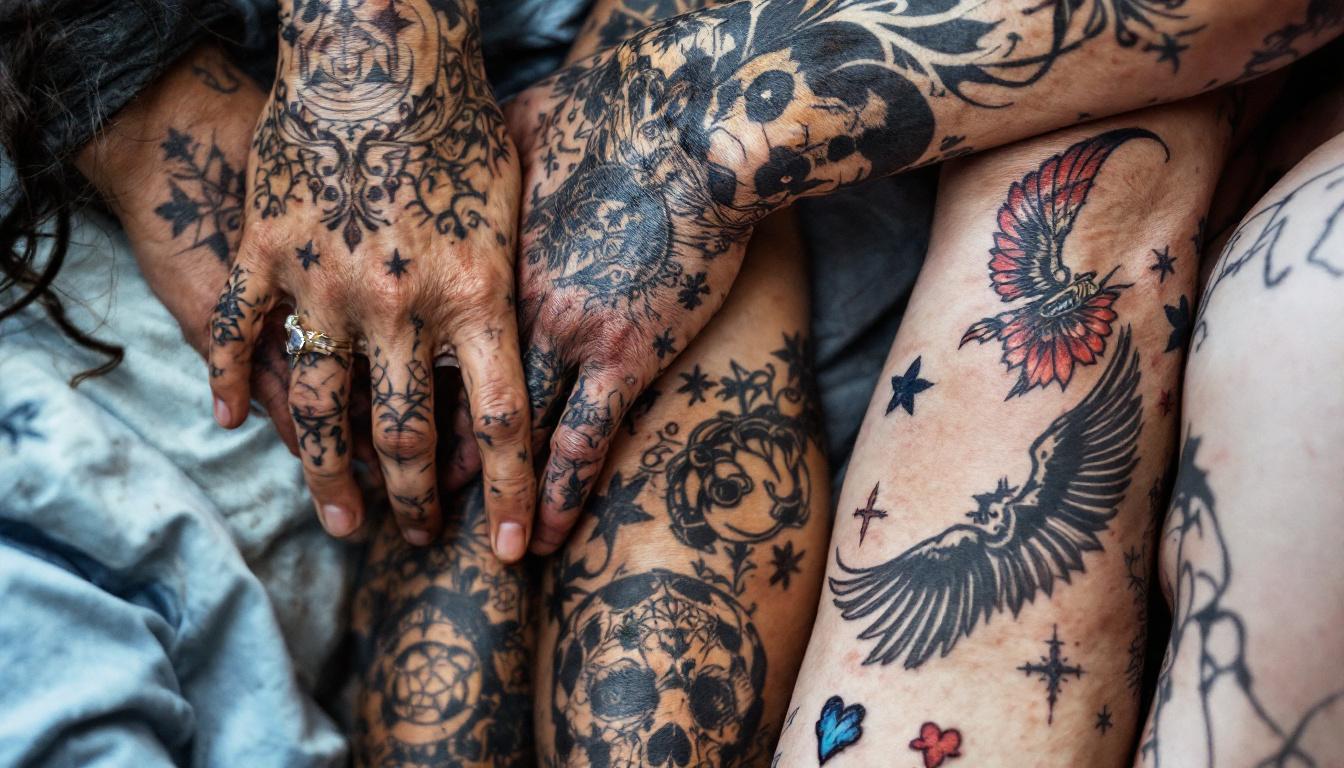
From improving search engine results to expanding the audience base, well-crafted alt text is a bridge between art and accessibility. Tattoo studios that adopt these best practices display a commitment to both client service and inclusivity. They also contribute to a richer, more accessible online art community.
By making thoughtful updates to digital content and integrating new technologies, tattoo artists can ensure that their work resonates with a global audience. A small change, like improving alt text, can have far-reaching benefits in making art accessible to all (A11y Idaho).
This practical guide offers a roadmap for studios looking to enhance their digital presence. With clear standards, a blend of technology and human expertise, and a commitment to inclusive storytelling, tattoo studios can confidently navigate the future of digital imagery. Embracing these practices not only sets a foundation for improved accessibility but also highlights the art’s unique beauty in every detail.
Take Your Tattoo Studio to the Next Level with Apprentice
As you embrace the best practices for alt text in your tattoo imagery, why not enhance every other aspect of your studio's digital presence? Apprentice is here to help you revolutionize your business with tools that simplify appointment scheduling, foster design collaboration, and streamline client management. Elevate your service with our AI-powered design tools and create an unforgettable experience for your clients. Ready to transform your tattoo studio? Start your free trial with Apprentice today and bridge the gap between creativity and efficient business management.