

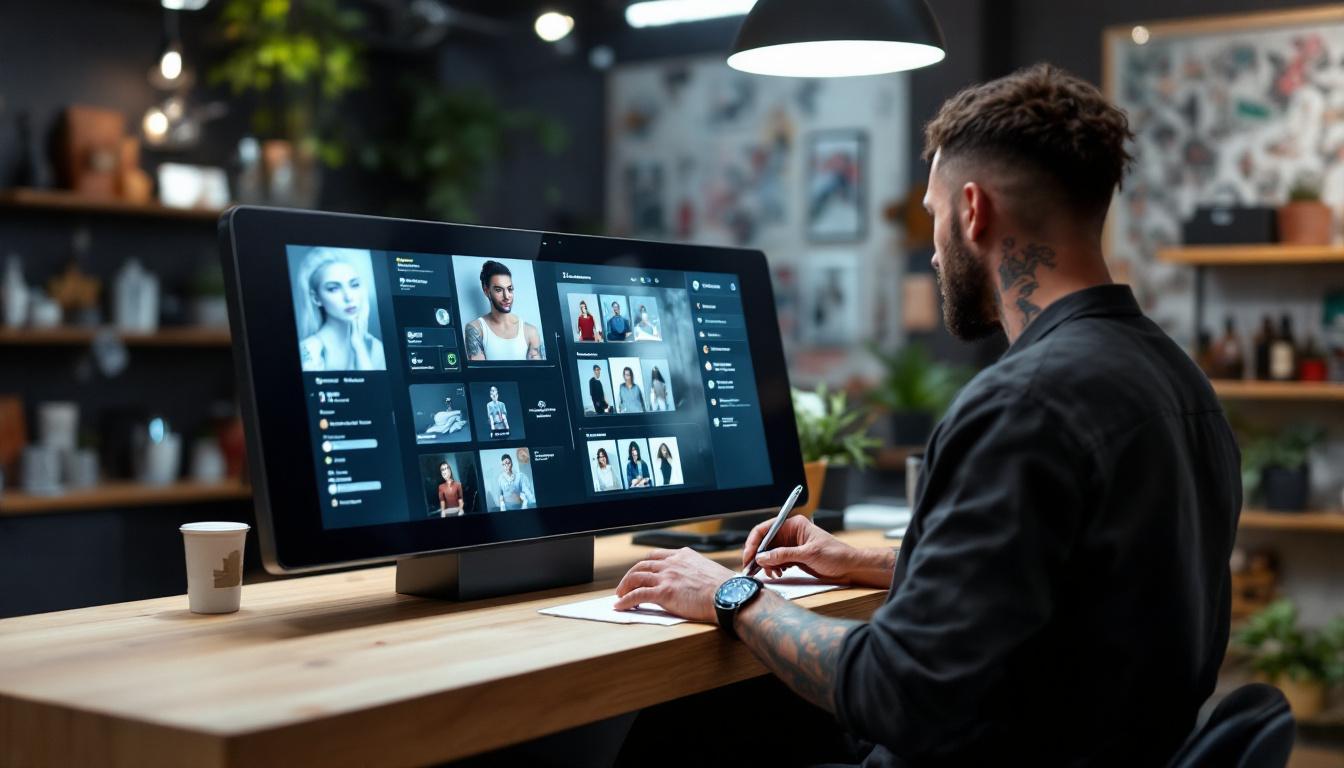
A buzzing conversation filled the back room of a Philly tattoo parlor last month, and it wasn’t about flash designs or price haggling-it was about control. Clients are increasingly demanding to steer every step of their ink journey. With the tattoo scene booming and tech transforming the industry, self-service isn’t just a modern convenience; it’s becoming an expectation.
This shift isn’t coming out of nowhere. Studies show that the global tattoo services market is on a rapid climb-projected to jump by $3.59 billion by the end of 2025 according to BookedIn. The industry is clearly ripe for a technological overhaul that could leave traditional setups in the dust.
In this new game of autonomy, clients want more than just a pretty design-they want to control every detail, from design concepts to aftercare routines. The rise of self-service tech in tattoo parlors is making waves, and 2026 is set to be the tipping point.
The Tech-Driven Tattoo Landscape
The buzz around AI isn’t restricted to Silicon Valley boardrooms anymore-it’s made its way into buzzing tattoo shops. A whopping 55% of tattoo establishments plan to invest in AI design software in the coming year, as noted by WifiTalents. This isn’t just about automating a tedious process; it’s about handing the creative reins over to the client.
AI is sparking a revolution by letting artists and clients co-create in real-time. Imagine being able to tweak a design as it’s being sketched out, ensuring that every line, shade, and detail is exactly how you envisioned it. With technology that can predict trends and generate new styles, the tattoo industry is setting up shop at a crossroad between art and algorithms.
While some veteran tattooists might feel that the soul of their craft is at stake, there’s a palpable excitement about the new possibilities. Fusing human experience with digital precision can lead to striking, unique art that fits perfectly with an individual’s identity.
Self-Service: More Than Just a Trend
Self-service in tattoo parlors goes beyond a flashy digital kiosk. It’s about offering clients an interactive way to plan and personalize their tattoos without necessarily relying on lengthy consultations. In a market valuing speed and personalization, tattoo parlors are investing in self-service touchpoints that empower clients. This is the era where algorithm-driven customization meets hands-on artistry.
The idea is simple: clients can now log into interactive platforms to select designs, adjust elements, and even schedule appointments, all before they step into the parlor. This shift is essential in a world where convenience is king and personalization is the new norm.
Data shows that 68% of tattoo artists believe AI will significantly influence their design process, a statistic that captures the industry’s pulse perfectly (WifiTalents). With the freedom to experiment, blending high-tech tools with traditional artistry may prove the ultimate combo in delivering exactly what each customer wants.
The Rise of Digital Customization in Tattoo Design
The New Artist-Client Conversation
Clients no longer come in with just a vague idea and hope that the artist will fill in the blanks. Modern tattoo establishments let the client’s voice be heard right from the outset-choices are made on interactive platforms that allow for full customizations. From color choices to intricate details of forearm sleeves, self-service setups are bridging the gap between the client’s ideas and the artist’s expertise.

This digital push is driven by the demand for authenticity. Customers want tattoos that are as unique as their own stories. Tools that let them adjust styles in real time are making designing sessions more collaborative. In both the planning and the execution phases, technology is proving indispensable, setting up a win-win for both artist and client.
For many, such digital sessions resemble a mix between social media customization tools and professional design software, and their appeal is undeniable. The lines between amateur design tinkering and expert artistry are starting to blur, fostering a new kind of creative dialogue.
Enhanced Access Through Digital Platforms
Imagine having a tablet in the lobby that lets you browse past works, filter by style, and even simulate your own potential tattoo. That’s more than just a futuristic gimmick-it’s an operational reality for many modern studios. Easy access to design tools can significantly reduce the traditionally long wait times associated with consultation and design approval.
Combined with online scheduling and portfolio galleries, these self-service stations create a seamless experience. For instance, clients can experiment with layouts and see how certain designs would look on different parts of their body. Routine consultations may shrink in duration, allowing the parlor to serve more clients efficiently without sacrificing quality.
This personalization is powering the industry forward at an impressive pace. Given research indicating that the global tattoo market is expected to swell to $5.86 billion by 2035 at a CAGR of 10.2% (Business Research Insights), self-service is one of the key components that could sustain this momentum.
Impact on the Traditional Tattoo Experience
For years, tattoo sessions have been synonymous with long, drawn-out conversations, where every detail was hashed out in a one-on-one consultation. With self-service technology making strides, that dialogue is shifting from back-and-forth chitchat to a more interactive session early on in the process.
This transformation is liberating for both parties. While some aficionados fear that the magic may be diluted, many seasoned tattooists welcome the new workflow. They see it as a way to cut down on basic consultations, leaving more time for artistic creation and even a bit more wiggle room to experiment with novel styles.
Enhanced digital design tools allow clients to experiment with tattoos in a digital sandbox, ensuring that the final outcome is something they’re fully attached to. This turns what might have been a stressful guessing game into an enjoyable, exploratory step towards a lasting piece of art.
Integrating Aftercare and Additional Services
It isn’t just the design phase that’s going digital. Self-service is seeping into areas like tattoo aftercare. With dedicated kiosks and mobile apps, clients can now log issues or check up on the healing process right from their homes. For tattoo aftercare products, reports project a growth at a CAGR of 9% through 2027 (Gitnux), reflecting a steady interest in upgrading every facet of the experience.
This arms clients with all the necessary information about aftercare routines, possible skin reactions, and even how to select the right ointment or lotion without endless back-and-forth with the artist. The digital age is redefining the client’s role. It’s now about being an informed, active participant all through-from the first design tweak to the final healing check-up.
Online portals and interactive guides provide detailed insights, ensuring that clients feel secure about their new ink. This evolution of service delivery not only helps in maintaining quality but also reduces the overall time commitment for both client and artist. In effect, it smooths the entire process, making it more efficient and client-centric.
The Economic Upside of Self-Service Innovations
Numbers paint a vibrant picture for the future of tattoo technology. The global tattoo ink market, for instance, is expected to hit $550 million by 2026 (Gitnux) and the tattoo removal industry is on its way to reaching $1.5 billion by 2025. These figures suggest an entire ecosystem that's evolving-so much so that investments in digital interventions like self-service processes aren’t just optional; they’re becoming critical.
Self-service tech could reshape cost structures in studios. By streamlining the initial consultation process and lowering manual overheads, tattoo parlors can reinvest their savings into creative services and even further technological developments. This reinvestment might include upgrading digital kiosks, refining AI software, or launching mobile apps tailored to client needs.
The fragmentation of services into a digital format makes it easier to scale operations. For instance, a streamlined scheduling system tied to an AI-driven design tool permits faster turnover times. Clients get what they want with minimal wait, and studios can potentially handle a higher volume of appointments. In markets where every minute counts and client satisfaction is paramount, this is a game changer.
Creative Dialogues: Merging Technique with Technology
It’s an interesting time to be in the tattoo world, where old-school artistry meets high-tech innovation. The debate isn’t solely about preserving tradition or embracing modernity; it’s about merging the best of both. At its core, tattooing has always been personal-a kind of visual storytelling. Now, with enhanced AI-assisted design tools, that storytelling can be more personalized than ever.
Clients can now interact with the design process in almost real time. This digital collaboration doesn’t replace the tactile human touch but complements it nicely. When technology assists in clearing up communication gaps, the final piece of art becomes a more fitting ode to the client’s personality and story.
Just as tattoo conventions around the world regularly draw over 1 million visitors (Gitnux), the appetite for innovative, personalized tattoo experiences isn’t slowing down. This momentum is setting the stage for a sophisticated blend of machine insight and human creativity-a synergy that promises fresh and compelling narratives on skin.
Challenges on the Road to Autonomy
For all its promise, the self-service revolution in tattooing isn’t without its challenges. One major concern is preserving the depth of artist-client relationship. When you let a machine handle parts of the creative process, there's a risk of stripping away the intimate consultation that has traditionally been the heart of tattoo creation.
There’s also the potential friction in adapting to new technology. Clients, particularly those who have a deep storied history with traditional tattoo parlors, might feel that something intangible is lost in automation. For the purists who see tattooing as a craft steeped in personal expression and human touch, the digital pivot may seem too clinical.
Moreover, data privacy takes center stage as digital platforms collect ever more personal preferences and health details for aftercare suggestions. Studios need robust cybersecurity measures to protect sensitive information while still harnessing the power of meaningful data. Balancing innovation with soul is the big task ahead.
Redefining the Client Experience
The shift toward consumer control speaks volumes about modern expectations. Clients don’t just want a piece of art-they want an experience that resonates with the digital age. Self-service options streamline everything from the initial design consultation to the vital aftercare instructions.
Digital integration into tattoo services transforms the traditional waiting room into a dynamic workshop. With all of the creative processes moved online, clients can explore designs, refine ideas, and even track the healing journey through interactive apps. In short, the entire tattoo experience is being redefined in a way that’s both empowering and efficient.
This widespread integration of tech is reflective of the broader growth in the tattoo market. For example, projections indicate that the industry will see robust growth, with global market values expected to climb steadily, reinforcing the need for services that are both technologically advanced and client-focused (Business Research Insights).
The Future is Self-Served
By 2026, it’s anticipated that self-service will become the standard rather than the exception in tattoo parlors. With digital design tools and comprehensive online portals, clients will be more involved, efficient, and satisfied. The evolution of self-service is not just about saving time-it’s about offering an empowering, personalized experience that speaks to modern lifestyles.
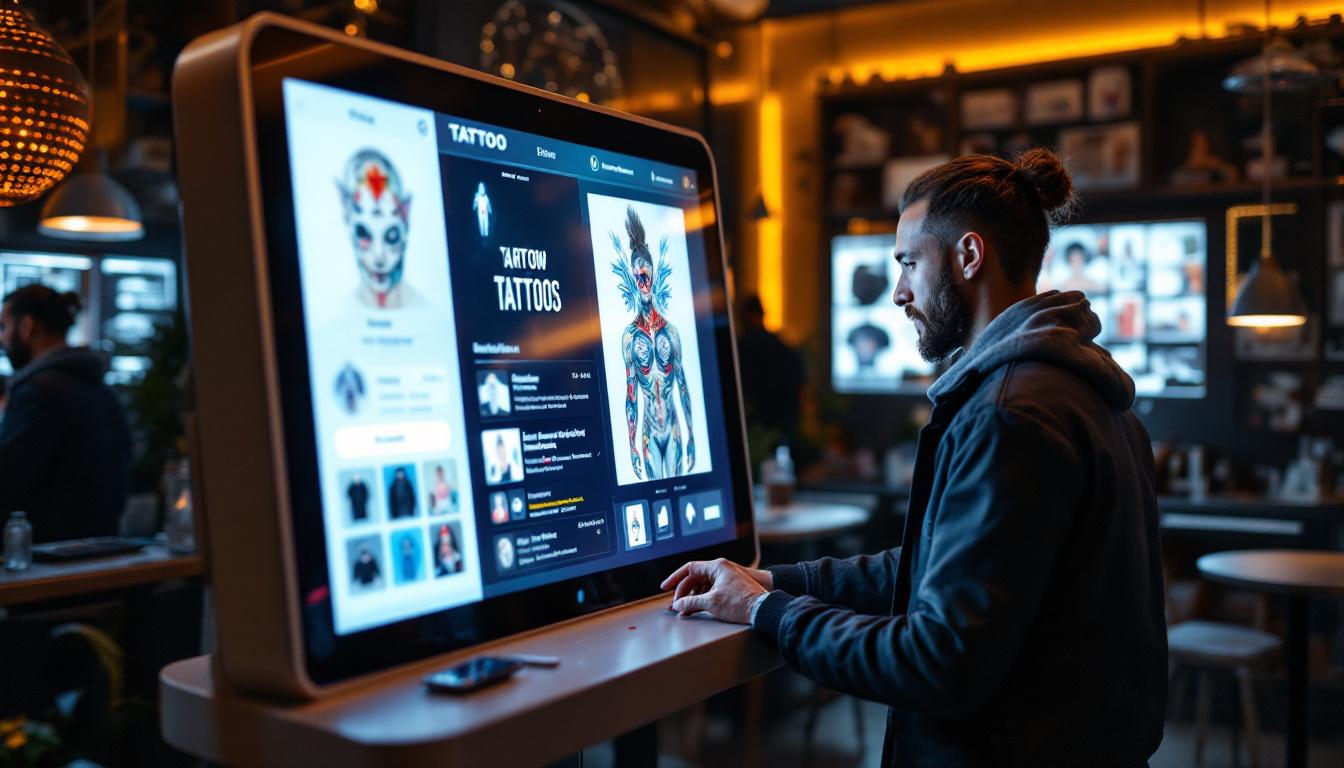
Innovation in the tattoo industry extends beyond the needle and ink. With sophisticated design platforms powered by AI, narrative-driven collaborative design sessions are becoming the norm. And this isn’t just a neat trick for tech-savvy millennials; it's a democratization of an art form that has been historically steeped in mystery and myth.
The old adage “the client is always right” has taken on a tech twist. Studios that adopt these self-service models will likely see a shift in client loyalty, retention, and ultimately, market growth. The digital pivot is more than a transient trend-it’s a fundamental change in the interaction between art and patron.
Bridging the Gap with Innovation and Tradition
Even as technology propels self-service forward, there remains an irreplaceable value in the artistry and intuition that seasoned tattooists bring to the table. The beauty of the evolving landscape is that it doesn’t force one to choose between modern technology and traditional expertise. Instead, they coexist, enhancing each other in unexpected ways.
The dialogue between the classic tattoo experience and innovative digital tools is akin to a conversation between two old friends. Both sides bring their unique strengths-experience, intuition, and customer care on one hand; speed, customization, and data-driven insights on the other. The result is a more enriched and dynamically tailored tattooing process that satisfies both the artist and the client.
This blend is the key to staying relevant and competitive. Studios that manage to create a balanced fusion of technology and tradition are likely to be the trendsetters of the next decade. Their ability to adapt and cater to the digitally empowered consumer will not only sustain but also accelerate the industry’s growth.
Looking Ahead: The Self-Service Revolution in Ink
As 2026 approaches, the self-service model in tattoo studios is set to become a hallmark feature, marking a turning point for the industry. Clients are increasingly demanding involvement in every choice-from the design phase to aftercare. With projections such as the tattoo removal sector expected to hit $1.5 billion globally by 2025 (Gitnux), every segment of the industry is witnessing dynamic change.
This isn’t a fleeting phase. Rather, it’s an evolution, borne out of the need for personal expression and an appetite for technology-driven customization. As interactive tools become more accessible and user-friendly, both clients and artists will benefit from a faster, more transparent, and ultimately more satisfying process.
The industry’s leap towards self-service also heralds a broader cultural shift. It invites tattoo enthusiasts to take charge, personalize their narratives, and embrace an innovative ecosystem that reflects the pulse of modern life, all while honoring the deep-rooted traditions of tattoo artistry.
Wrapping It Up: A New Era for Tattoo Experiences
Self-service isn’t merely an upgrade-it’s a complete transformation in how tattoo studios operate. It’s a change that aligns with the expectations of the modern client: control, efficiency, and customization. The movement is backed by strong industry metrics, ranging from investments in AI design software to robust market growth figures, all painting a bright, tech-empowered future.
As technologies mature and clients become savvier about their preferences, self-service platforms will not only streamline operations but also strengthen client relationships. It’s a mutually beneficial shift where the streamlined process accelerates creativity, while clients enjoy the power to shape their ink destiny.
The emerging blueprint of the tattoo industry is clear-embrace technology without losing the heart and soul of the art. The coming years will meld precision with passion, data with design, and self-service with timeless tattoo art. For those in the industry, the future calls for a careful balance of tradition and innovation, a recipe that might just redefine the personal art form on your skin.
Join the Self-Service Revolution with Apprentice
Ready to take the helm of your tattoo studio's future? Apprentice is here to make the transition to self-service a seamless experience. With our advanced scheduling, AI-powered design tools, and efficient client management, you'll have everything you need to meet the demands of the modern ink enthusiast. Elevate your studio's potential and join the ranks of artists who are already crafting the future of tattooing. Start your free trial today and transform your tattoo business with Apprentice.